What happened
Pew Research Center data shows about 1 in 10 American adults use AI chatbots for emotional support or advice, rising to 1 in 5 among under-30s, per Morgan Shipley.
Why it matters
AI is moving into roles historically held by therapists, spiritual advisers and religious communities, and may be building the conditions for new forms of religiosity, Shipley argues.
What to watch
Scholars warn of "authority without accountability" — no structures exist to regulate AI's "algorithmic authority" when chatbots move from religious teaching to spiritual advice.
WHO IT HITSThis lands on people who would otherwise consult therapists, clergy or religious communities for existential guidance — and on the mental-health and pastoral professions as AI chatbots begin answering questions about grief, suffering and life meaning.
Summaries like this, in your inbox every morning.
The Pew finding lands in a culture that has been shifting for decades. Sociologists of religion Paul Heelas and Linda Woodhead describe a "subjective turn" in contemporary Western culture, in which traditional sources of authority have competed with spirituality based on personal experience, self-discovery and well-being. The growth of the "spiritual but not religious" population reflects that shift away from institutional religious authority. Generative AI, Shipley argues, fits this personalized landscape remarkably well — ask a chatbot an existential question and it tends to use the vocabulary of personal spirituality and holistic well-being rather than quoting scripture.
Shipley points to existing examples. When a Guardian journalist asked HolyGPT "What is the actual meaning of life?" the chatbot answered: "The meaning of life is to become aware through experience, of what it is to be." ChatwithGod, meanwhile, encourages users to "draw from other perspectives when you want to," emphasizing personal choice over adherence to a specific religious system. Mindfulness teacher Vy Le describes AI as a "channeling" tool for finding one's inner guru. In each case, religious authority emerges not from a sacred text or person but through AI's ability to respond personally to each seeker — what recent scholarship calls "generative charisma."
What makes this historically unusual, in Shipley's reading, is that the charismatic figure no longer needs a stage, a church or disciples gathered around it. It can speak privately to each person, one at a time. The stakes hinge on whether that private guidance develops accountability structures — or whether, as scholars warn, it produces "authority without accountability," where no one is clearly responsible for the advice a chatbot gives.
For example, today's edition would include:
AI-summarized, only the topics you pick — one digest a day via Email, LINE, or Slack.
Free · 30 seconds with Google · unsubscribe anytimeWhat is AIToday? →
Ask AI anything about this article. Q&As are published on this page for other readers too.
Xiaomi released and open-sourced the MiMo-V2.6 series — MiMo-V2.6-Pro and a smaller Flash variant — plus a Pro…
The Indeed Hiring Lab report says pay in the most AI-exposed US occupations rose roughly 46% since 2021, versu…

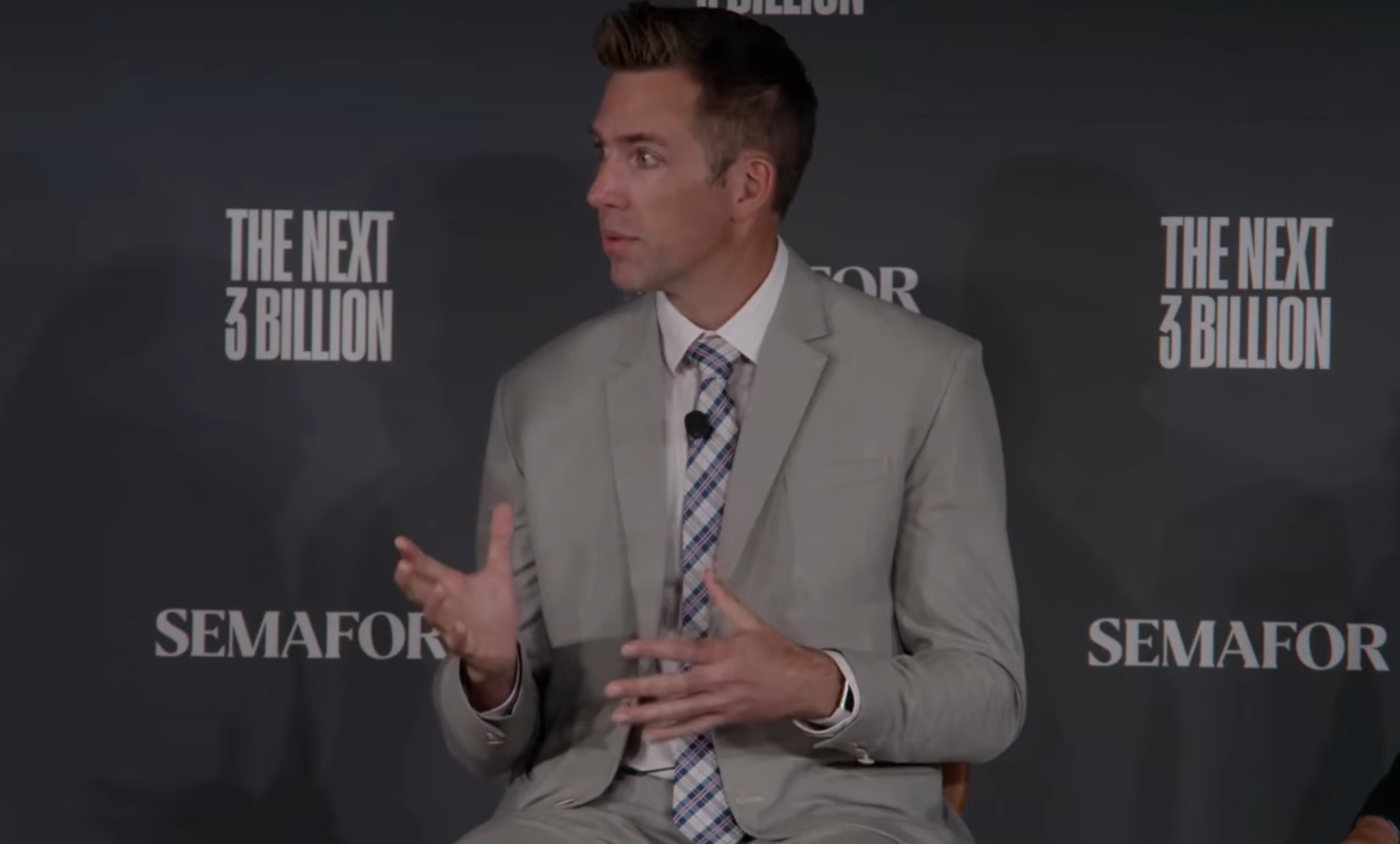
At Semafor's The Next 3 Billion event, Nvidia sustainability head Josh Parker attributed recent US anti-AI sen…
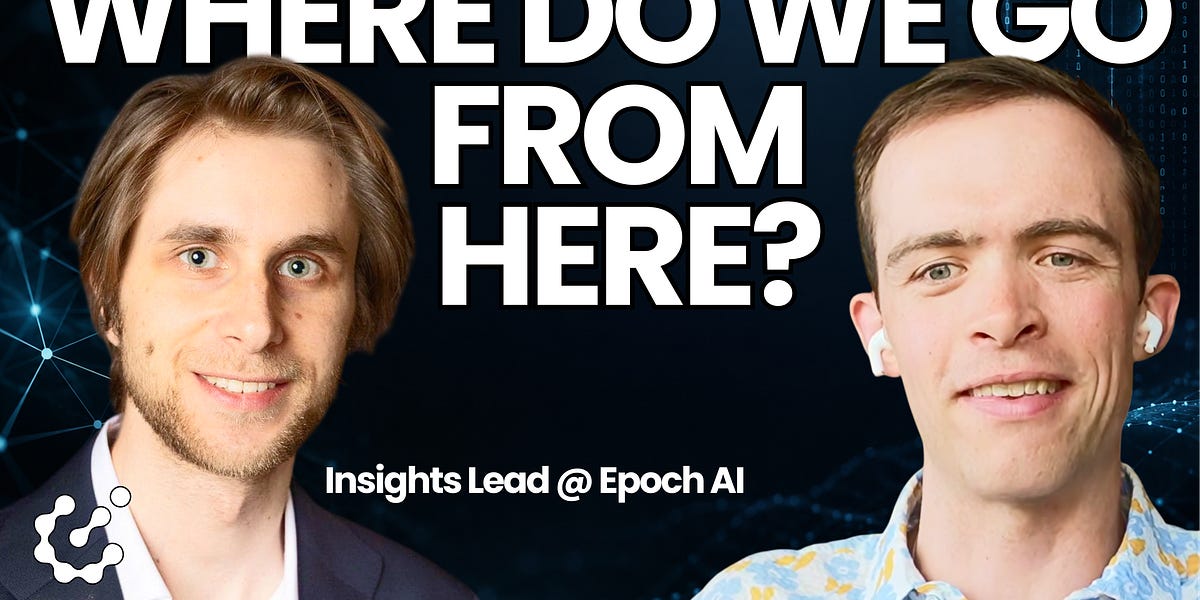
JS Denain of Epoch AI said OpenAI and Anthropic blog posts on AI accelerating AI progress are not strong evide…
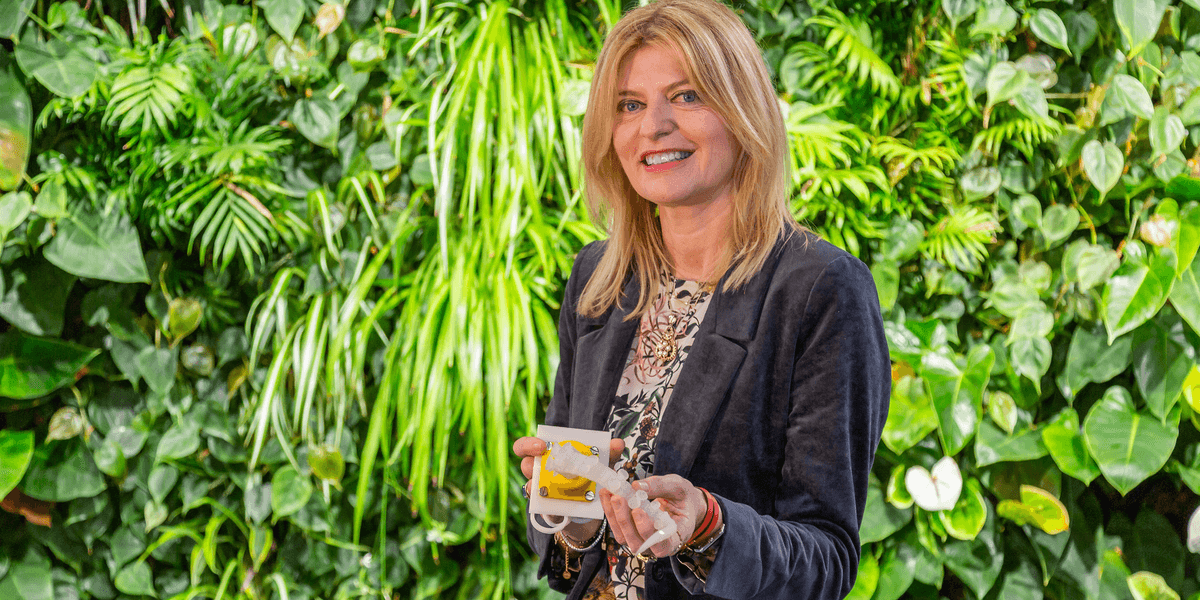
Barbara Mazzolai, associate director for robotics at the Italian Institute of Technology, published a manifest…
OpenAI is pushing for international standards on recursive self-improvement, with the US leading global techni…