What happened
FlashLabs started offering Orca Connect for OrcaRouter, which adds local runtimes such as Ollama, vLLM and LM Studio to its catalog as "local/machine-name/model-name" using only an outbound connection.
Why it matters
Teams can share a model running on one machine through expiring, request-capped links while keeping prompts and responses unsaved by default, and usage processed on that machine is recorded at $0.
WHO IT HITSDevelopment teams that want to share self-run models with colleagues or cloud agents without exposing inbound network ports gain a simpler option; they can also cap sharing with expiring links, and only responses from hosted models are billed.
Summaries like this, every morning.
OrcaRouter, developed by U.S. research institute Continuum AI and offered exclusively in Japan by FlashLabs, already aggregates more than 200 LLMs and generative AI models behind an OpenAI-compatible API. Orca Connect addresses a gap the company describes between running models locally — to keep data in-house, control costs or try open-weight models — and using cloud APIs: sharing a local model has typically required port forwarding, tunnel setup and NAT traversal, plus security concerns. By making a local runtime appear in the same catalog under a "local/machine-name/model-name" entry and reachable with the usual OrcaRouter API key and endpoint, the connector aims to let local and cloud models sit behind one interface.
Setup follows four steps: install from the admin screen, sign in with a command that approves the machine, check runtimes and models with a status command, and start serving. The connector verifies signed releases, and nothing is exposed until a model is selected for sharing. Responses processed on the local machine carry an X-Orca-Billed: false header and are recorded at $0, with billing applying only when a hosted model answers.
The design also extends to team use and security. Shared links carry expiration dates and request limits and can be revoked, and recipients sign in with their own accounts rather than receiving keys. Keys can be set to local-only so requests never reach a hosted model or incur charges. Connections pass through an encrypted relay, Zero Data Retention is available on all plans, and Tailscale or WireGuard can be used to bypass the relay for a fully private end-to-end setup, per OrcaRouter's official X account.
Pick your industry and the AI tools you use, and get news related to your work every day.
Free · 30 seconds with Google · unsubscribe anytimeWhat is AIToday? →
Ask AI anything about this article. The AI reads this article, earlier AIToday articles, and Wikipedia, and cites its sources. Q&As are published on this page for other readers too.
Anthropic's prospectus discloses SpaceX compute agreements of up to $120.5 billion through 2029, with monthly…

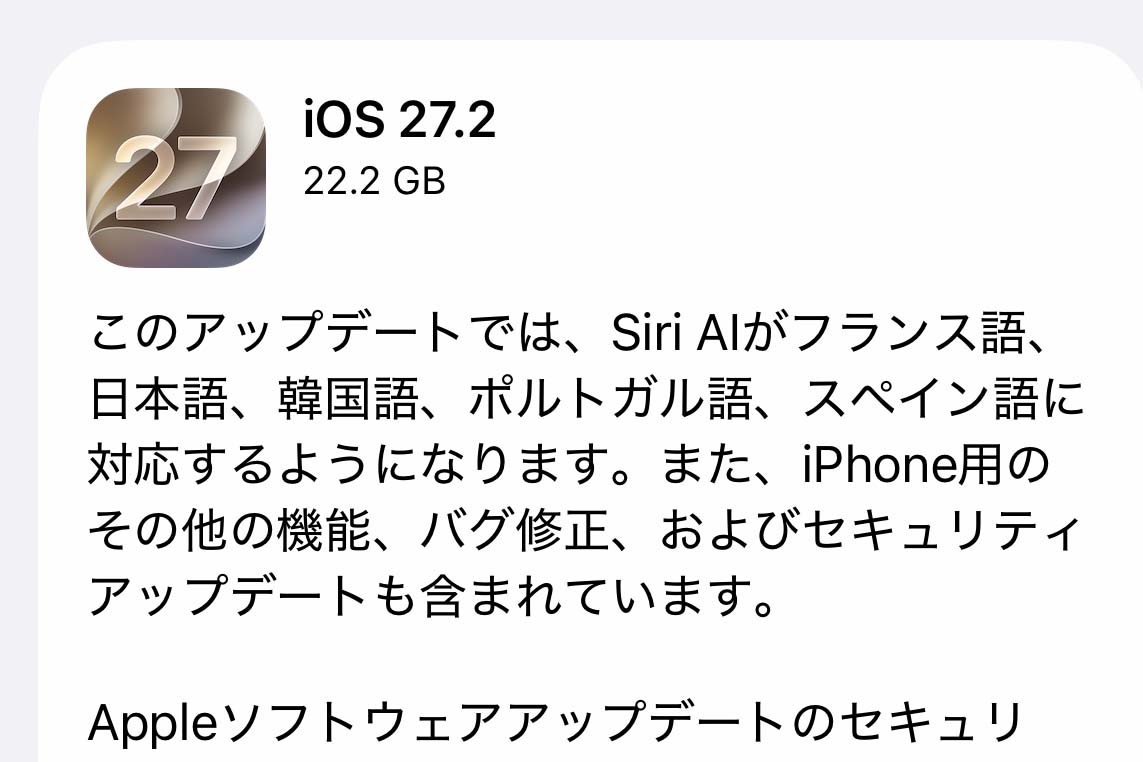
Apple released iOS 27.2, bringing Siri AI to iPhone 16 and later plus iPhone 15 Pro and Pro Max, with support…
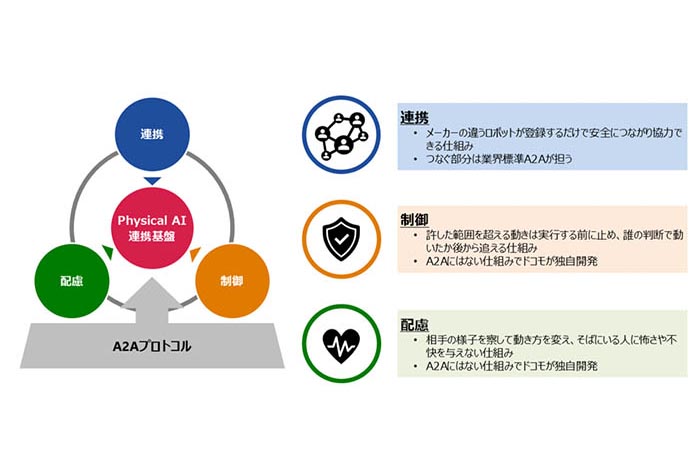
NTT Docomo developed "Physical AI連携基盤," which unifies linking AI agents to robots, controlling permitted actio…
Folkbench published a guide, reworked for Japanese readers on Zenn, laying out four checks for AI relays used…

chrome-use, an Apache-2.0 CLI and MCP server, connects agents such as Claude Code, Codex and Cursor to your ev…

On the morning of 10/27, the author's automated Threads posting stopped twice with "cannot confirm the Threads…