Ron Zukerman of Vishay Precision Group published a column arguing robot makers should start from an economically valuable task and work backwards to the hardware, sensors and form factor it needs.
Summaries like this, in your inbox every morning.
The column is written from the perspective of an engineering ecosystem that works alongside humanoid developers on hardware bottlenecks, and it notes a recurring pattern: the industry builds an extraordinary physical platform first, then searches industrial sites for a task for it to perform. Zukerman's proposed reversal is to begin with a task of economic value, ask whether a robot can do it better than a human, and only then determine the required hardware, sensing and form factor.
The clearest illustration is a comparison between two jobs given to the same bipedal humanoid. Pin connector insertion on an automotive line involves roughly a 20 µm clearance and 5 N mating force, demanding contact-force resolution below 0.1 N and enough control bandwidth to catch jamming before a sensitive pin bends. Bulk pallet packing in a logistics center needs almost none of that, but requires heavy payload capacity, structural rigidity and the ability to endure 1 million cycles without baseline mechanical drift. A single middle-of-the-road force sensor, the piece argues, risks being both too coarse for the pin and too fragile for the pallet.
The form-factor question is framed as a cost comparison rather than an aesthetic one: whether it is cheaper to modify the robot or modify the facility. Greenfield builds can be constructed around the task, while brownfield plants force the robot to fit human-sized spaces without millions of dollars of retrofitting. On deployment, the column draws a line between a demonstration unit calibrated under climate-controlled conditions and a full fleet that must survive at least 10,000 cycles per shift amid thermal variation, and it points to mean time between interventions as the metric finance teams should be asking about.
Pick your industry and the AI tools you use, and get news related to your work every day.
Free · 30 seconds with Google · unsubscribe anytimeWhat is AIToday? →
Ask AI anything about this article. The AI reads this article, earlier AIToday articles, and Wikipedia, and cites its sources. Q&As are published on this page for other readers too.
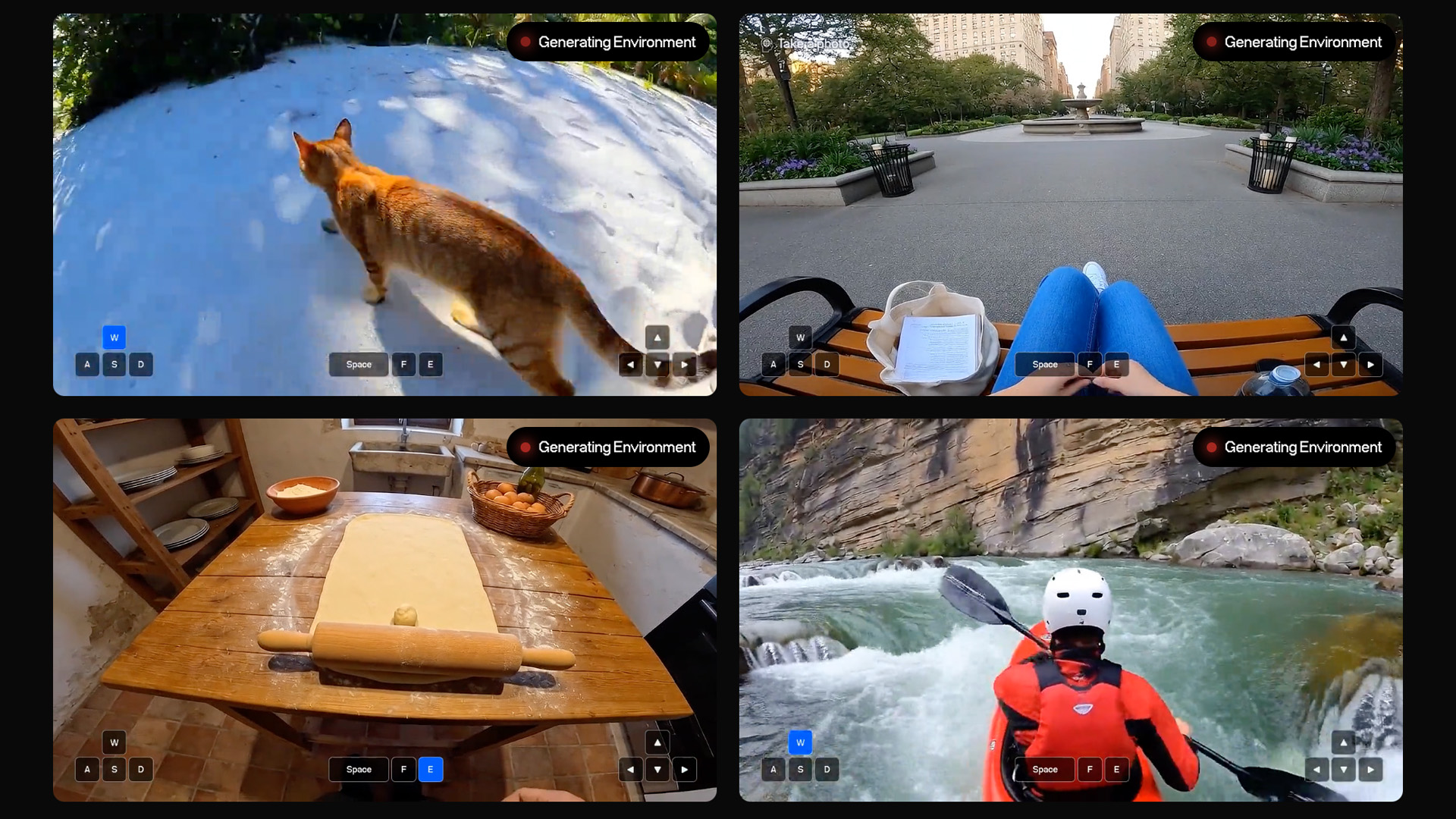
California-based Odyssey launched a free public research preview of Odyssey-3, its world model that generates…
Fujitsu published a design-focused initiative titled "Physical AI," which frames new future value as emerging…

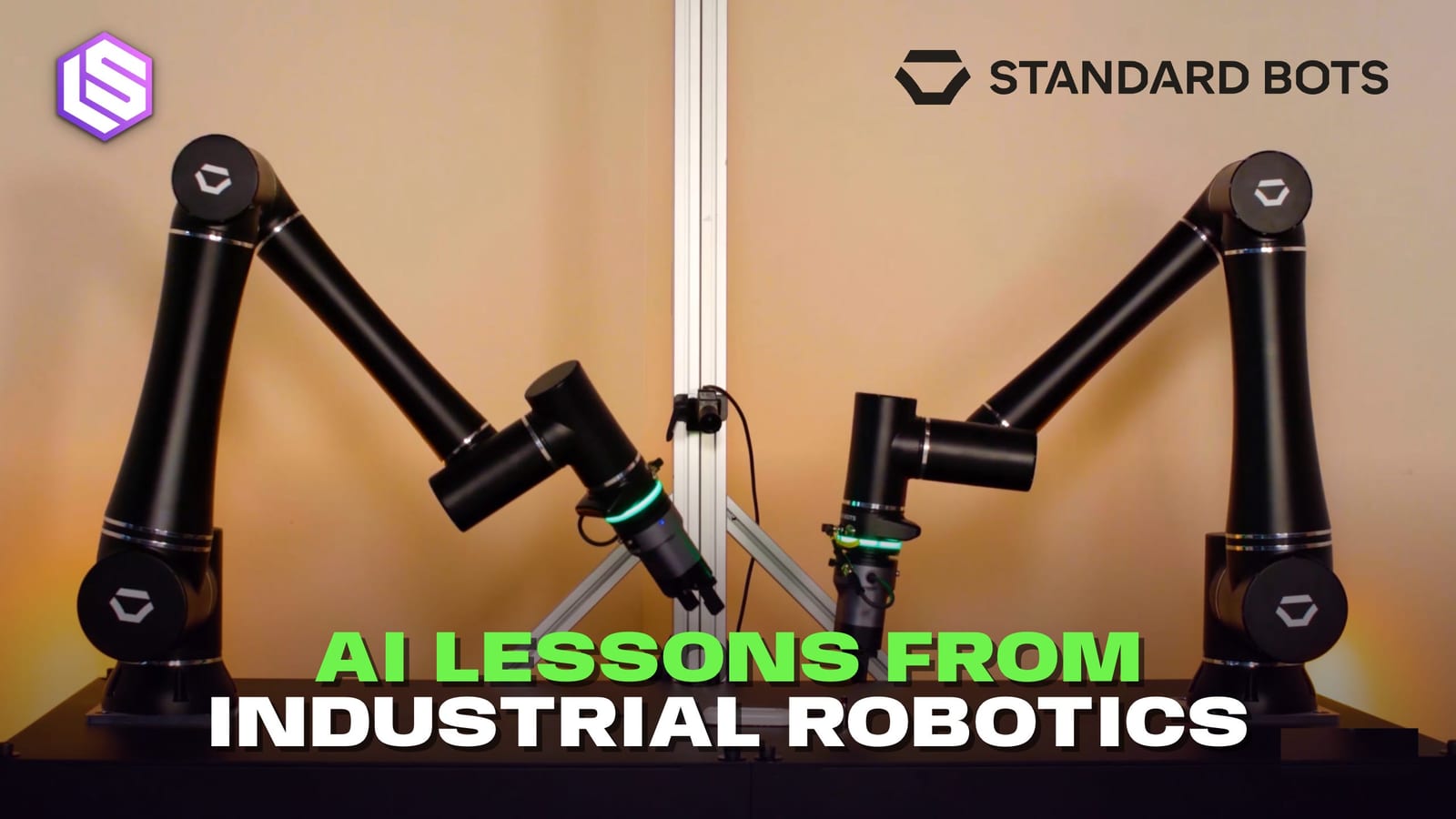
Standard Bots, an AI-native industrial robot maker, raised $200 million at a $1 billion valuation in a series…
In a Fortune commentary piece, Serve Robotics chief Ali Kashani told his college-age daughters not to let hype…
NYSOFA extended its partnership with Intuition Robotics, keeping the ElliQ companion available to older New Yo…

TDK Ventures' Nicolas Sauvage wrote that a robot succeeding at each action 99% of the time would finish a 100-…