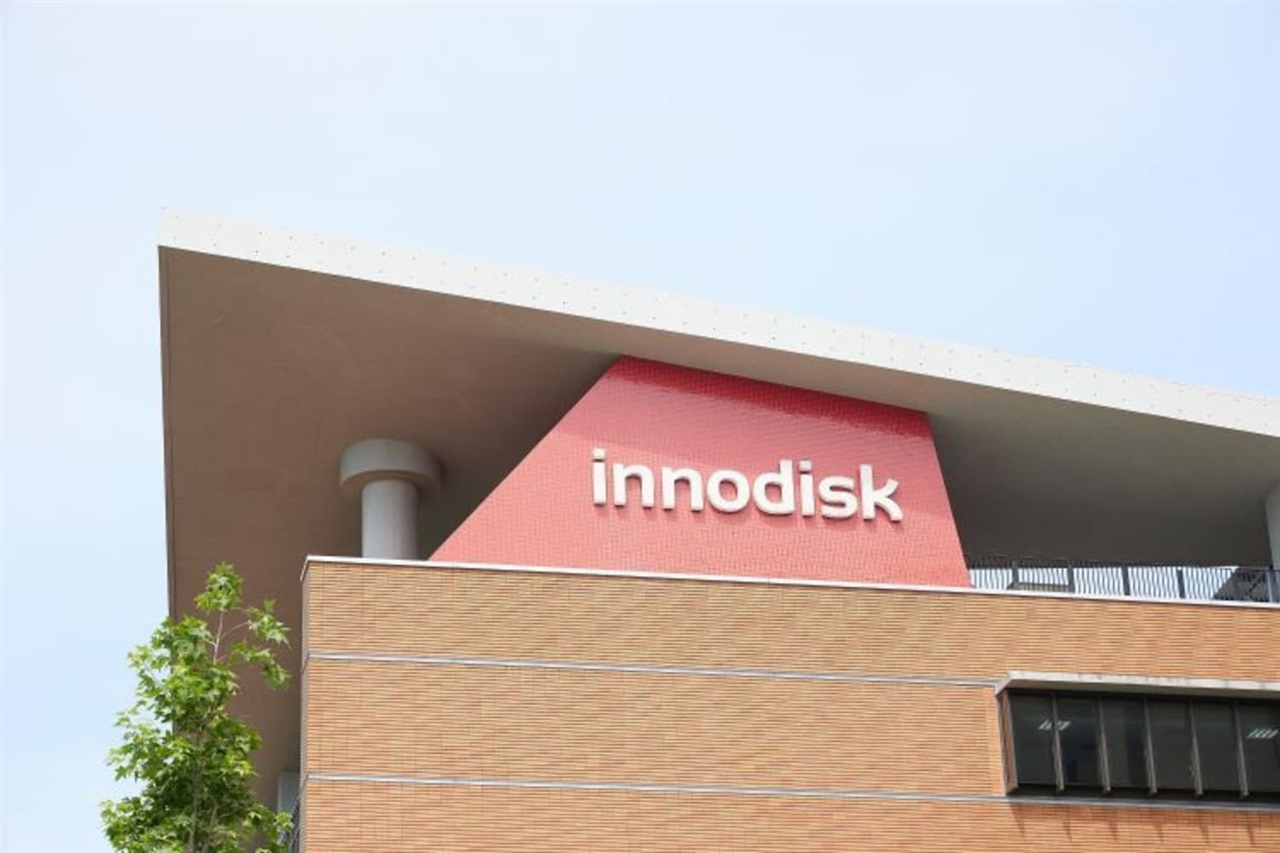
Innodisk, a memory module maker, posted record profit in the second quarter of 2026, with quarterly net profit reaching NT$10.368 billion and earnings per share of NT$108.93.
The company benefited from surging memory prices and strong artificial intelligence demand, which lifted revenue and margins.
The results highlight how rising hardware costs are flowing through to component suppliers as data centers and AI operators scale infrastructure.
What happened
Innodisk reported record second-quarter 2026 results, with quarterly net profit reaching NT$10.368 billion and earnings per share of NT$108.93, driven by surging memory prices and artificial intelligence demand.
Why it matters
Rising memory costs and strong AI adoption are lifting profitability across hardware suppliers. For businesses and data centers deploying AI infrastructure, these trends underscore the ongoing cost pressure in the memory and storage components that underpin large-scale AI systems.
What to watch
Innodisk's sustained margin expansion hinges on whether memory prices remain elevated and AI capital expenditure continues at current levels through the remainder of 2026.
Innodisk, a manufacturer of memory modules, announced record results for the second quarter of 2026. The company reported quarterly net profit of NT$10.368 billion and earnings per share of NT$108.93. The strong performance was driven by two concurrent market tailwinds: surging memory prices and robust artificial intelligence demand. As enterprises and cloud providers accelerated AI deployments, demand for memory and storage capacity intensified, supporting both volume and pricing power. The higher memory prices, combined with sustained AI-driven demand, allowed the company to expand its profit margins while growing revenue in the quarter.
Innodisk's record second-quarter results reflect broader market dynamics in memory and storage infrastructure. As memory prices rose sharply in 2026, suppliers of memory modules benefited from higher average selling prices on existing volumes. Simultaneously, strong artificial intelligence investment — particularly in data center deployments — has driven sustained demand for storage and memory capacity. The combination of pricing power and volume growth allowed Innodisk to expand both revenue and profitability, reaching record levels in the quarter. For the broader hardware supply chain, these results suggest that memory and storage constraints remain a bottleneck in AI infrastructure deployment, keeping prices elevated and supporting supplier margins.
AI-summarized, only the topics you pick — one digest a day via Email, Slack, or Discord.
Free · takes 30 seconds · unsubscribe anytime
Ask AI anything about this article. Q&As are published on this page for other readers too.
QumulusAI announced a GPU-as-a-Service agreement with DRW, a global trading firm, to supply a dedicated NVIDIA…

OpenAI introduced Premium Seats for ChatGPT Business, priced at $125 per user per month ($100 with annual bill…

Anthropic pledged to embed machine-readable watermarks in Claude-generated text and digitally signed provenanc…

OpenAI announced that its unreleased model Astra had produced solutions to 10 long-standing mathematics proble…

Anthropic confirmed it will add watermarks to text generated by Claude and other models to comply with the EU…

TSMC has roughly doubled its CoWoS and SoIC packaging capacity annually for several years and is now running C…

The AI news that matters, in one minute each morning.
Sign up free