What happened
MCP's 2026-07-28 specification removed the initialize/initialized handshake and the Mcp-Session-Id header, so each request now carries protocol version, client identity and capabilities in its _meta field.
Why it matters
Server operators can reportedly run MCP behind a plain round-robin load balancer without sticky sessions or a shared state store, which the author says removes the main obstacle to autoscaling and serverless deployment.
Summaries like this, in your inbox every morning.
The specification arrives less than a week before the author wrote the piece on 2026-08-03, and the account is drawn from MCP's own blog and Anthropic's Claude blog. The old design assumed a client and a server process stayed connected for the whole conversation, which worked fine for local stdio connections but clashed with the stateless principle familiar from 12-Factor App guidance once operators tried to run MCP servers as redundant cloud workloads. The new spec also adds two headers, Mcp-Method and Mcp-Name, so gateways and firewalls can route and authorize tool calls without parsing the JSON body — a change the author, writing from a financial-services web background, treats as a security and performance gain. Alongside that, authentication moves toward CIMD (Client ID Metadata Documents) and RFC 9207 issuer validation, which the author frames as making MCP easier to attach to existing identity providers such as Entra or Okta. Deprecated items — Roots, Sampling, Logging, DCR and the legacy HTTP+SSE transport — get a minimum 12-month window, which the author reads as time to migrate off them rather than time to keep using them.
Pick your industry and the AI tools you use, and get news related to your work every day.
Free · 30 seconds with Google · unsubscribe anytimeWhat is AIToday? →
Ask AI anything about this article. The AI reads this article, earlier AIToday articles, and Wikipedia, and cites its sources. Q&As are published on this page for other readers too.
Schneider Electric, Nvidia and HPE formed a strategic collaboration to launch Industrial AI Agents at the Edge…

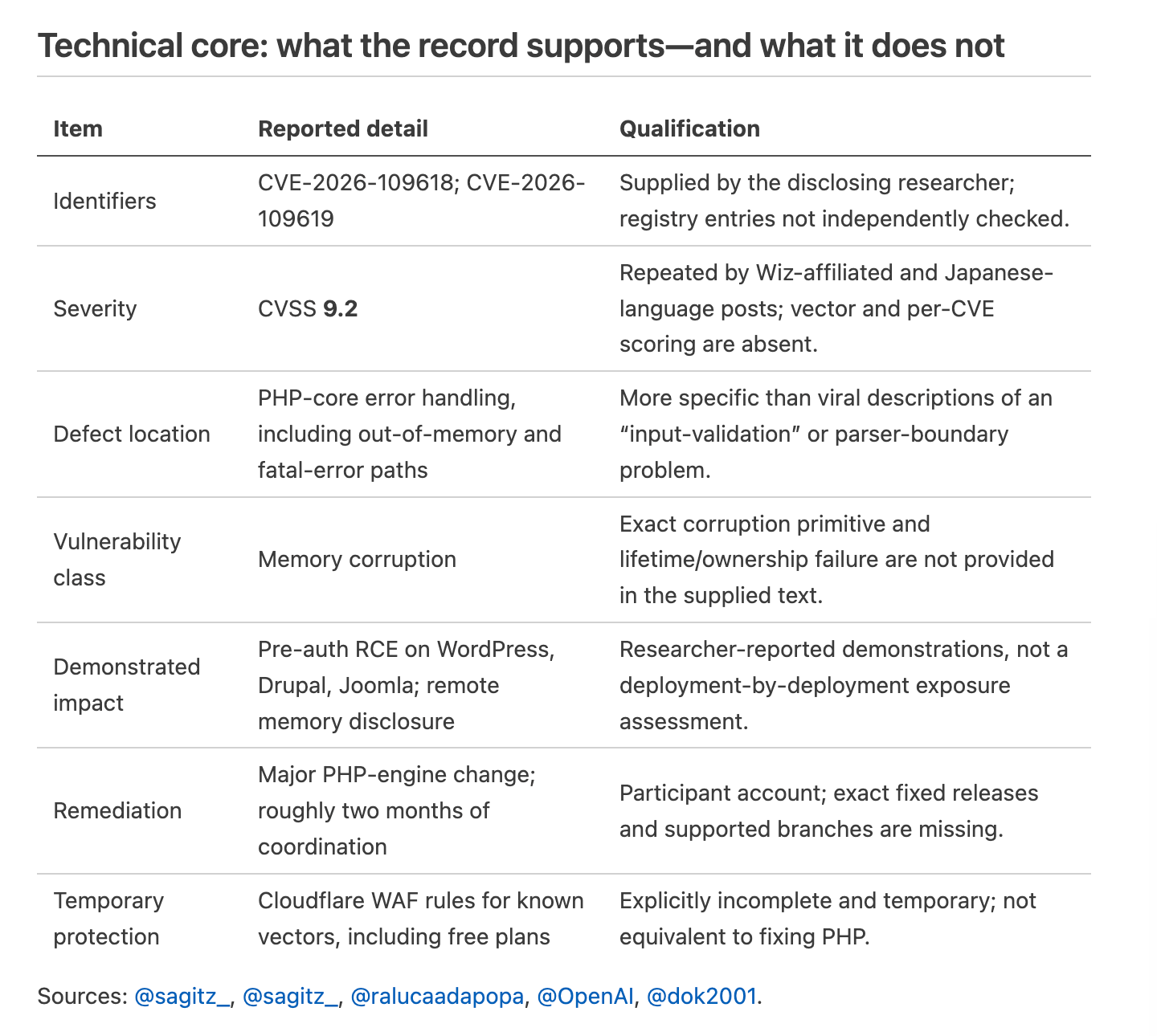
OpenAI says Calif researchers using GPT 5.6 Sol under its "Patch the Planet" project found the PHP2Shell flaws…
Anthropic released Claude Duet, built on Claude Opus 5.5

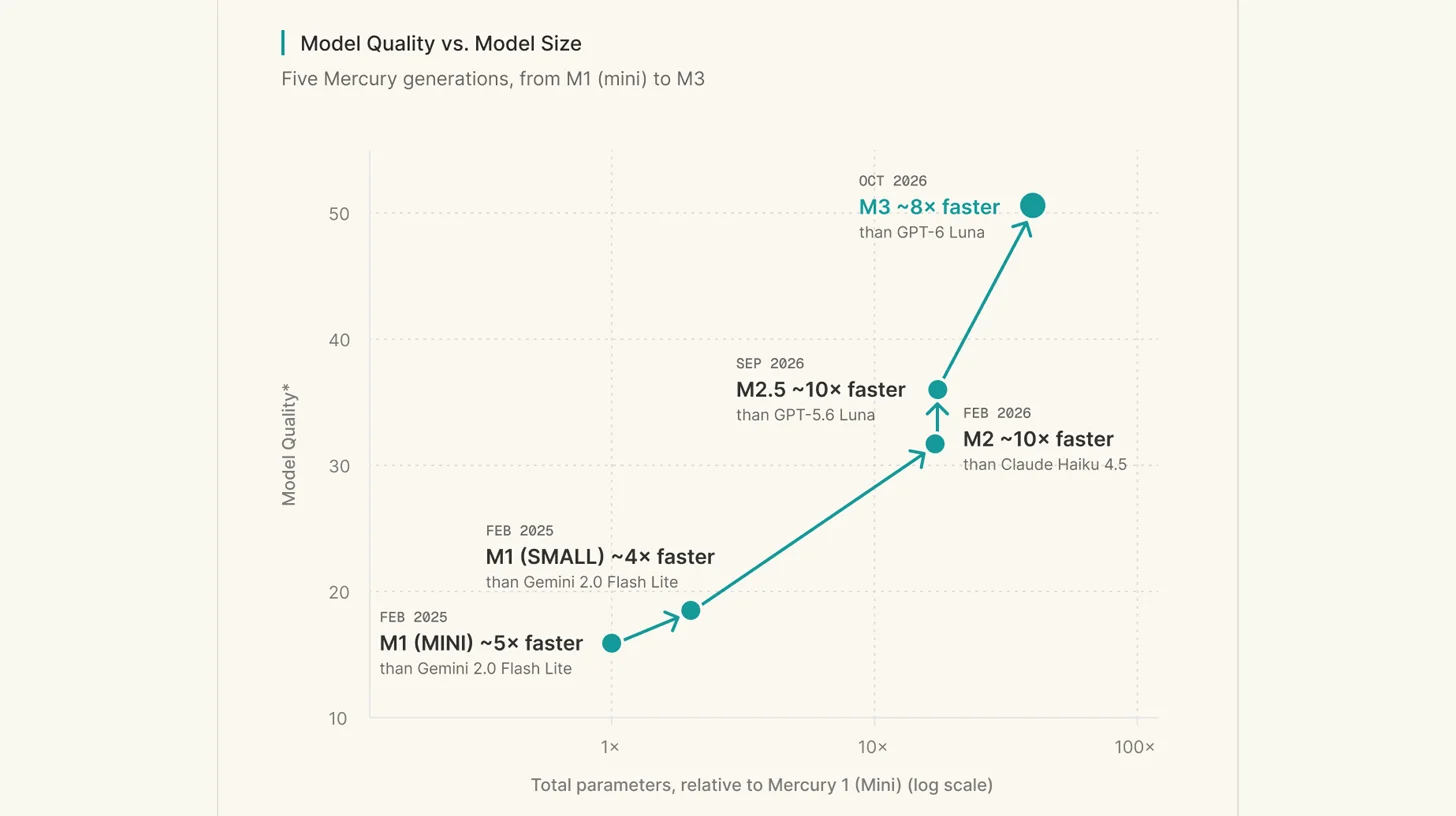
Inception launched Mercury 3 on October 19, a diffusion model it says generates 1,068 output tokens per second…
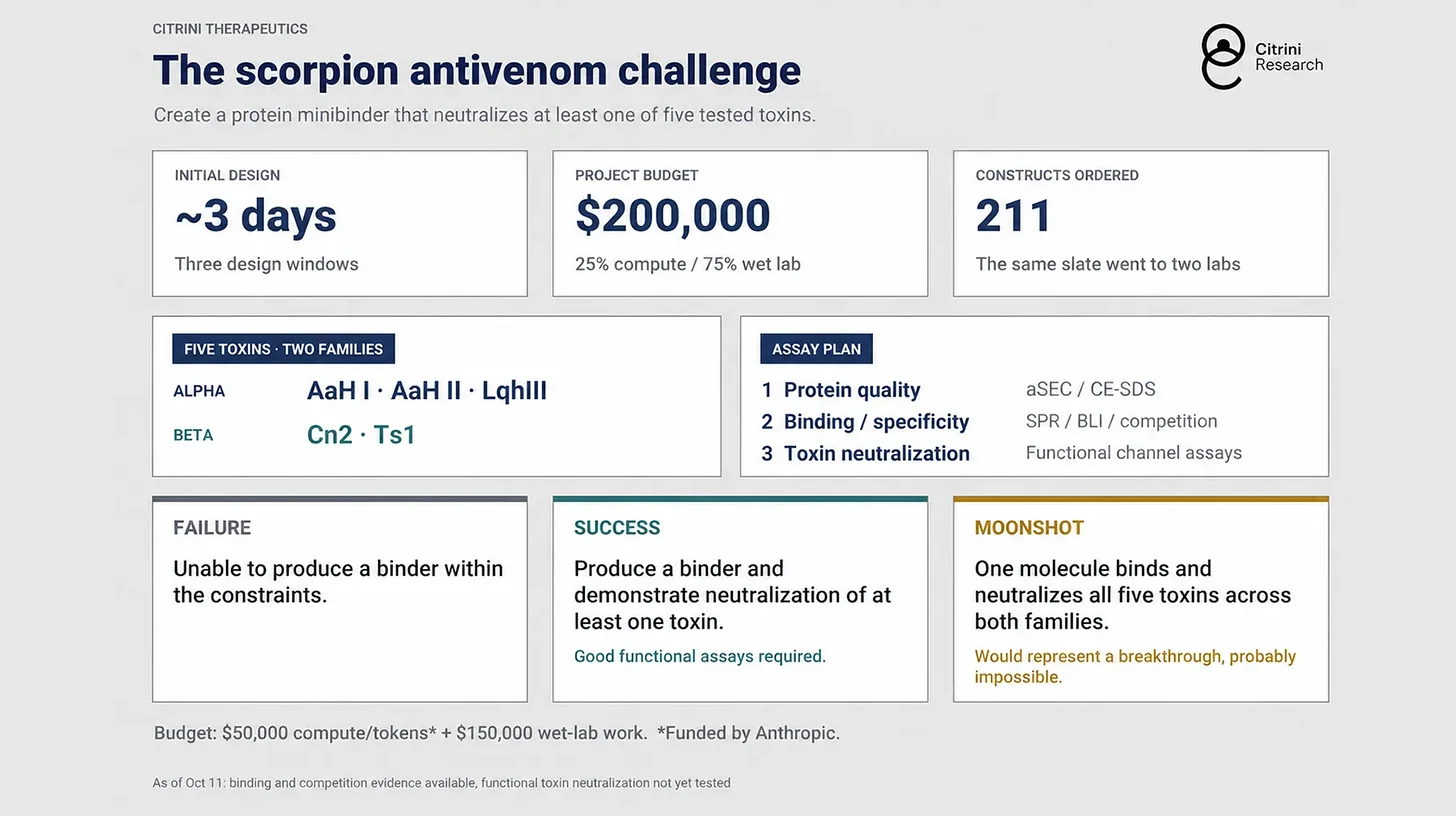
Anthropic reported that an internal version of Claude generated 318,484 candidates over a 64-hour run and sele…
NTT Data and NTT Data Tokai will start a joint proof-of-concept with Aichi Bank on October 26, testing a conve…