What happened
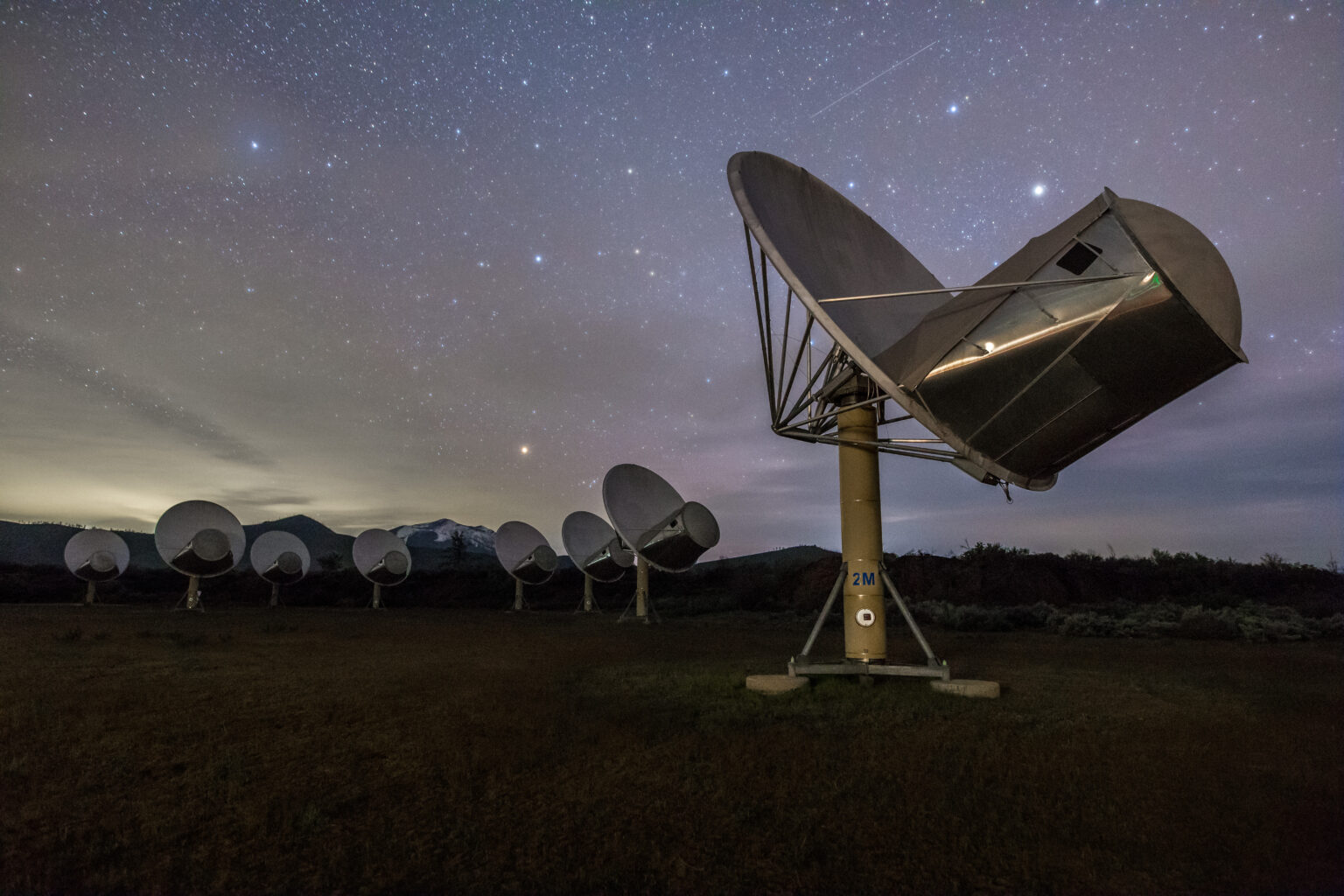
Nvidia's Holoscan platform lets AI agents steer the Allen Telescope Array and analyze radio signals live, processing up to 2.4 terabits per second and cutting weeks of work to hours.
Why it matters
The team says the setup detected a fast-spinning stellar remnant in real time using AI, a first, showing the approach can spot signals as they arrive rather than after the fact.
WHO IT HITSRadio astronomers and signal-detection teams at observatories running large arrays stand to gain, since work that used to take weeks can now wrap up in hours, according to the team. Researchers still type in their commands for now.
Summaries like this, every morning.
The Allen Telescope Array in Northern California has long been a workhorse for radio astronomy, and the SETI Institute and Breakthrough Listen are now using Nvidia's Holoscan platform to process its data in real time. That shift matters because the platform can chew through up to 2.4 terabits per second, and work that used to take weeks can now wrap up in hours, according to the team. Researchers still type in their commands for now, so the change is about speed of analysis rather than full autonomy.
One early result stands out: the team says it detected a pulsar in the Crab Nebula in real time using AI, a first. Pulsars are fast-spinning stellar remnants that send out regular signals, which makes them good test cases for signal detection. The team now wants to test open-source software that can run locally on the edge, with an eye toward future sensors on the far side of the Moon.
Whether the AI agents will actually find anything is anyone's guess. Researchers have been searching for signals from extraterrestrial intelligence since the first SETI experiment in 1960, and no one has found any yet.
Pick your industry and the AI tools you use, and get news related to your work every day.
Free · 30 seconds with Google · unsubscribe anytimeWhat is AIToday? →
Ask AI anything about this article. The AI reads this article, earlier AIToday articles, and Wikipedia, and cites its sources. Q&As are published on this page for other readers too.
Casap announced a $56 million Series B led by Base10 Partners, with Experian and Synchrony as strategic invest…

Kindai University will give 4,000 Paperpal licenses to full-time faculty and doctoral students at all campuses…

HIX AI's connector update on 11月4日 links Microsoft 365 (Outlook Mail, Outlook Calendar, OneDrive), Google Work…

Xentron and Holon System began a partnership linking Xentron's physical AI data platform NEXUS with Holon's ma…
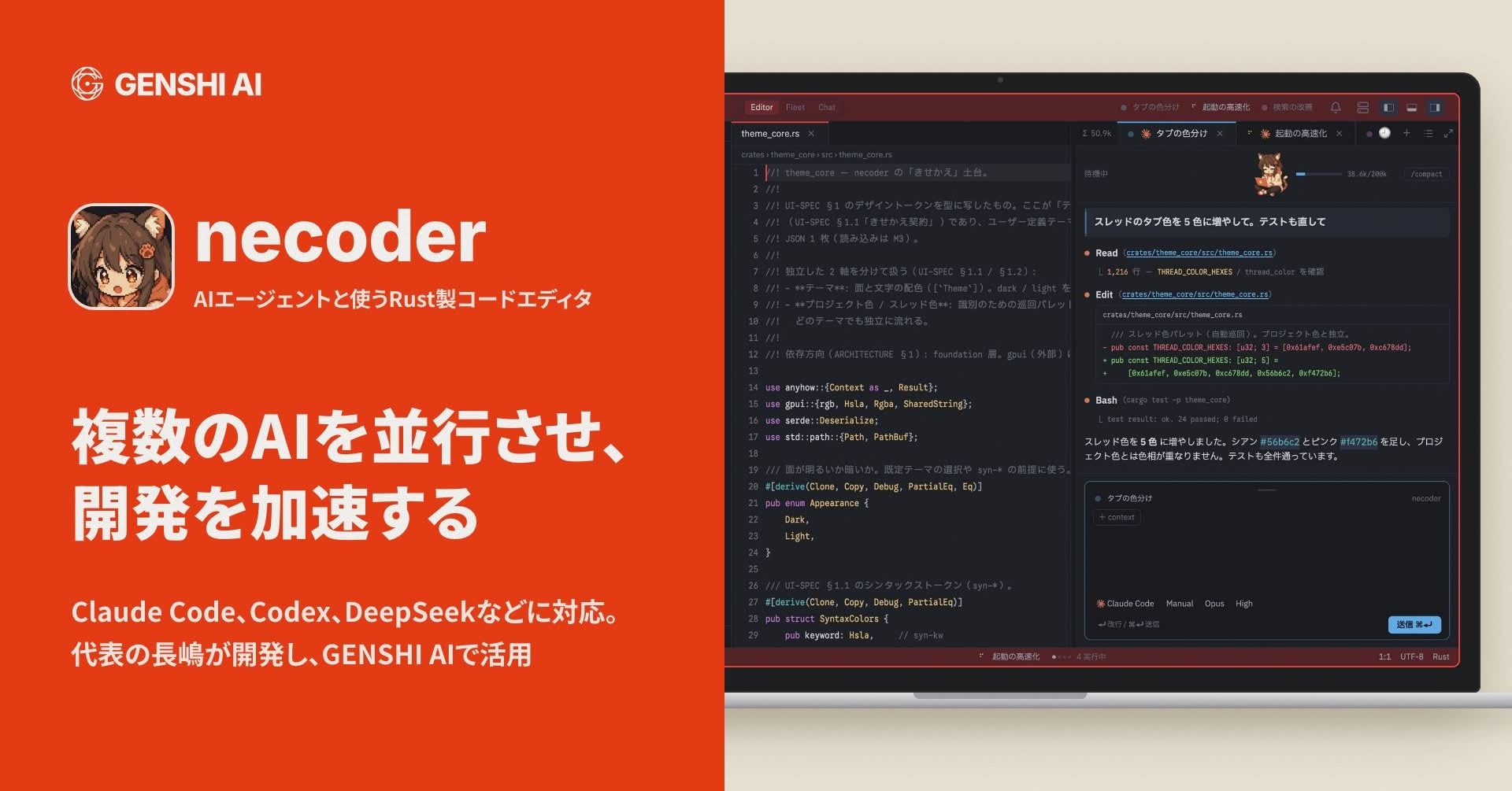
GENSHI AI said it adopted necoder in-house — a free, AGPL-3.0 Rust editor that Daichi Nagashima began building…
Darfon Electronics is consolidating its production capacity in China and Southeast Asia and shifting some reso…