What happened
Israel-based Nucleai announced it is continuing a translational research collaboration with Gilead Sciences, applying its AI-powered Tissue Intelligence platform to analyze large datasets of tissue images from Gilead's antibody-drug conjugate (ADC) clinical studies across multiple cancer indications. The platform extracts quantitative tissue features—mapping protein expression, tumor diversity, and microenvironment patterns—and links them to patient response data; the work has produced candidate spatial biomarkers intended for future scientific presentations and publications.
Why it matters
ADCs are a major class of cancer drugs, and identifying which patients are likely to respond (via biomarkers) can improve trial design and clinical outcomes. Nucleai's spatial biomarker work strengthens Gilead's ability to predict patient response and accelerate development of drugs in a pipeline the company has expanded through acquisitions, including Germany-based Tubulis in late 2024.
What to watch
Nucleai has established a track record in the ADC space—it previously identified predictive biomarkers in melanoma patients from the SECOMBIT clinical trial in partnership with Bio-Techne Corporation, and joined CellCarta's Digital Pathology and AI Consortium in July 2026. Candidate spatial biomarkers from this Gilead collaboration are expected in future scientific presentations and publications. Financial terms were not disclosed.
Summaries like this, in your inbox every morning.
Nucleai's expansion of its collaboration with Gilead reflects a broader industrial shift toward using AI-powered spatial biomarkers to accelerate oncology drug development. Antibody-drug conjugates are a fast-growing class of targeted cancer therapies, and identifying patient subpopulations most likely to respond is a critical bottleneck in clinical development. By automating the extraction of quantitative tissue features from whole-slide images and linking them to patient outcomes, AI platforms like Nucleai's can reduce the time and cost required to validate biomarker candidates.
For Gilead, the partnership arrives at a strategic moment. The company has aggressively expanded its ADC pipeline through external deals—most notably the acquisition of Tubulis, a Germany-based ADC specialist whose option and license agreement was signed in December 2024. Adding an AI tissue-analytics capability gives Gilead a competitive tool to optimize patient selection and de-risk late-stage trials. The market for such collaborations is already active: in March 2026, Tempus AI and Daiichi Sankyo struck a comparable AI-driven biomarker partnership in which Tempus deployed its PRISM2 multimodal foundation model to support patient stratification for an undisclosed ADC program.
Pick your industry and the AI tools you use, and get news related to your work every day.
Free · 30 seconds with Google · unsubscribe anytimeWhat is AIToday? →
Ask AI anything about this article. The AI reads this article, earlier AIToday articles, and Wikipedia, and cites its sources. Q&As are published on this page for other readers too.
OpenAI introduced the Rosalind Academic Plan, giving eligible academic labs at U.S

Wells Fargo hired an AI executive based in San Francisco, a move The Business Journals describes as part of em…

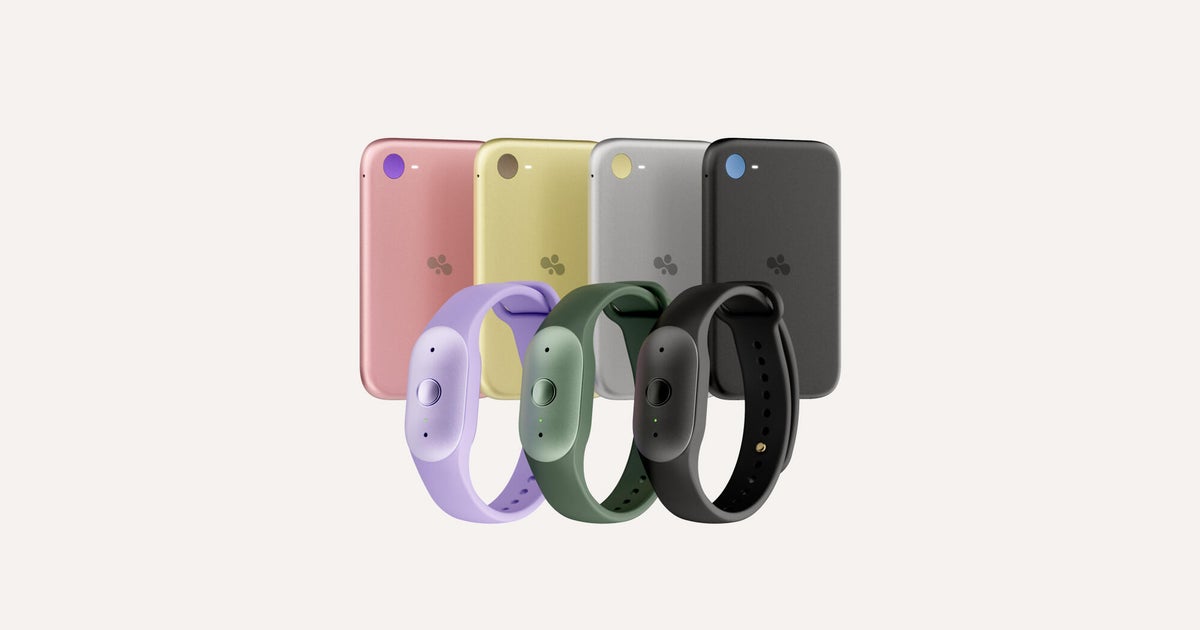
Amazon launched two Bee "personal AI" devices on Thursday: the $74.99 Bee Frontier wristband and the $99.99 Be…
Apple released MLX today, which runs the 816B-parameter Muse Spark Open on four Mac Studios at over 36 tokens…

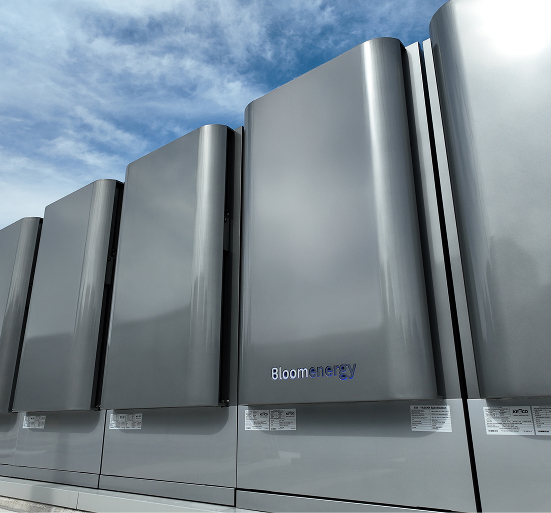
Bloom Energy stock fell 4% to $229.83, still up 165% year to date, while Caterpillar slipped 3% to $727.55 and…
LogicMonitor announced its 2026 Elevate Award winners at its Elevate Community Conference in Chicago, honoring…