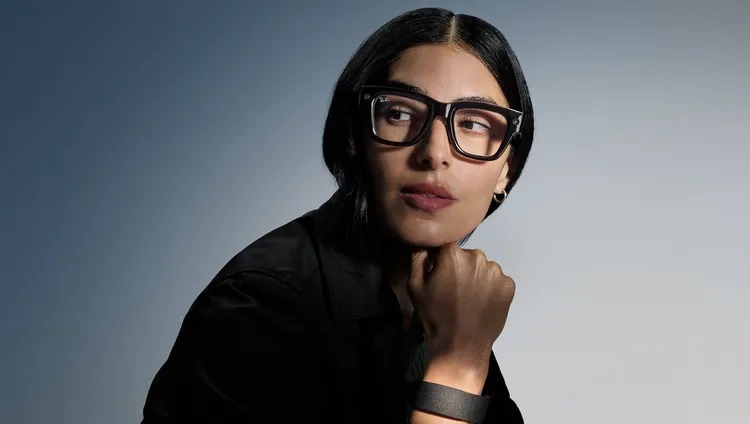
What happened
Norway's government said it would propose limits on smart glasses where people might be filmed without consent, calling the plan a "high priority" and saying a draft law would soon go to parliament.
Why it matters
Norway's stance is narrower than a total ban, suggesting rules may hinge on consent rather than banning the devices outright, which could shape how broadly the restrictions apply.
What to watch
The proposal is still a draft headed for parliament, so its final scope depends on how consent rules are written — and on whether other governments such as Australia's follow with bans of their own.
WHO IT HITSThis lands on retailers and venues that would have to police where smart glasses can be worn, and on product and legal teams at wearable makers weighing consent rules ahead of the draft law reaching parliament.
Summaries like this, in your inbox every morning.
Norway's move is the first major government crackdown on smart glasses, but its shape is telling. Rather than a blanket ban, the government said appropriate use could be where there was no risk of filming people without their consent — a consent-based standard rather than a prohibition. A draft law is set to go to parliament, and the government called the effort a "high priority".
The context is a wider pushback already underway. Australia is considering a ban in certain public spaces, and courtrooms in several countries have issued bans as wearable technology use increases. The concern is captured bluntly by campaigners who have dubbed the devices "pervert technology", and by Micaelsen's warning that a society where people fear hidden recordings "can be experienced as unsafe and cause us to withdraw".
What is undecided is how far the rules will reach. US tech companies such as Meta, Google, and OpenAI see smart glasses as a possible replacement for mobile phones as the main gateway to AI, and analysts at Counterpoint Research estimate consumers will spend more than $1 trillion between 2026 and 2032 on wearable devices. Whether consent-based limits — rather than outright bans — become the template is likely to determine how much of that spending lands in public spaces.
Pick your industry and the AI tools you use, and get news related to your work every day.
Free · 30 seconds with Google · unsubscribe anytimeWhat is AIToday? →
Ask AI anything about this article. The AI reads this article, earlier AIToday articles, and Wikipedia, and cites its sources. Q&As are published on this page for other readers too.
President Lee Jae Myung told a cabinet meeting that signs of AI use have emerged in some recent hacking incide…
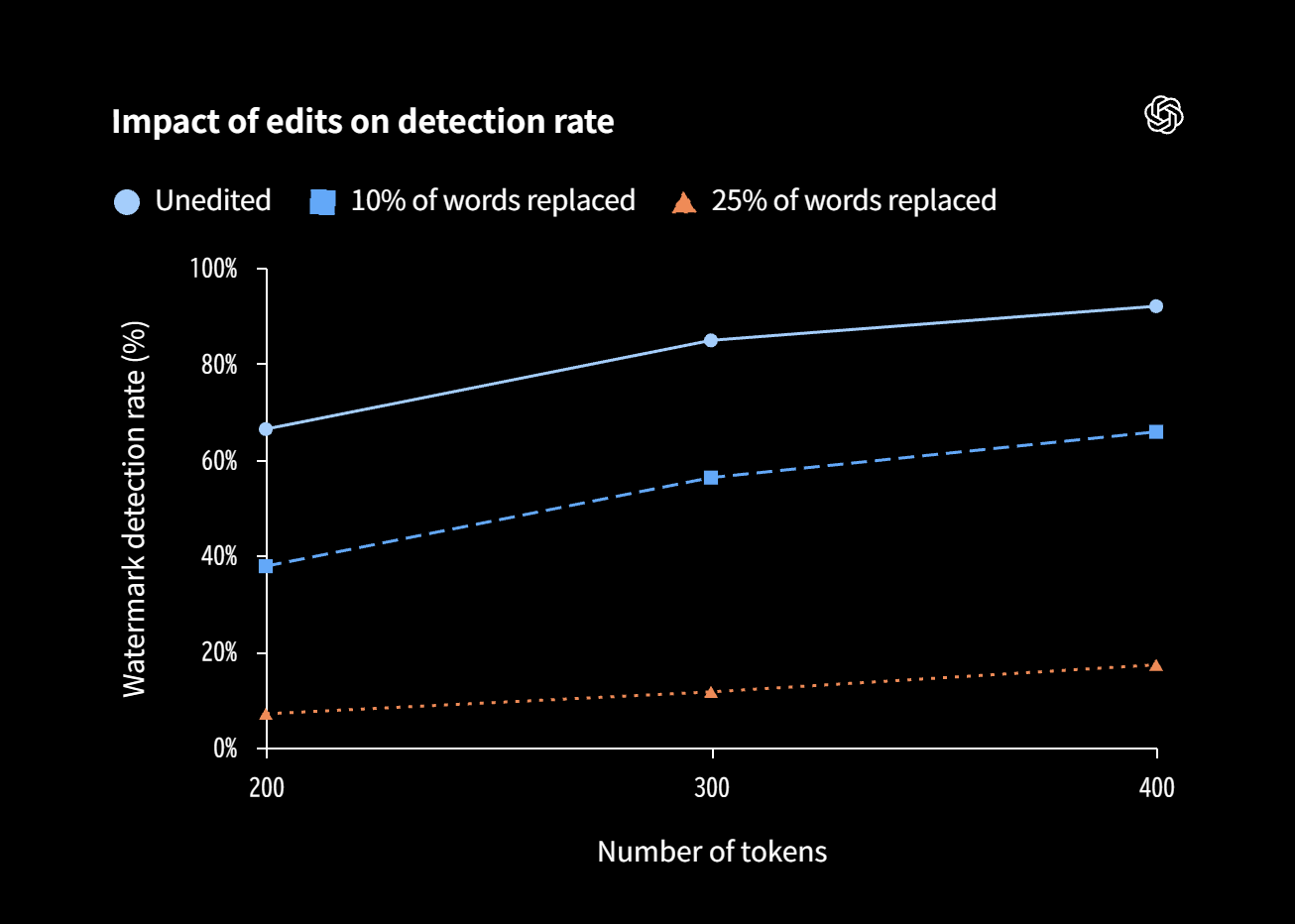
OpenAI is adding the textGrain watermark to text from ChatGPT and Codex, applying it to EU outputs over the co…
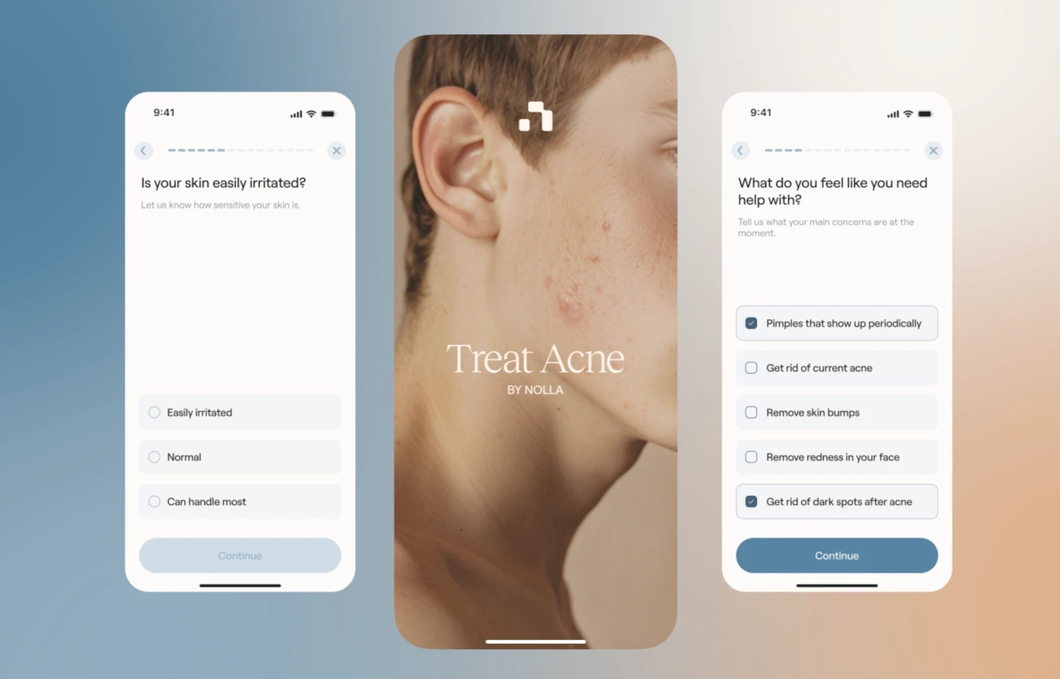
Utah cleared Nolla Health's pilot letting its AI prescribe topical acne creams after a face scan, with no huma…
Moonshot AI closed its final private round at about a $50 billion valuation and is aiming for a Hong Kong IPO…
Huawei and Qualcomm struck a multi-year patent agreement spanning 5G and AI, as reported by the South China Mo…

Catherine Esperanza Amador sued Pin Trading App and co-founder Andy Nguyen on Oct