What happened
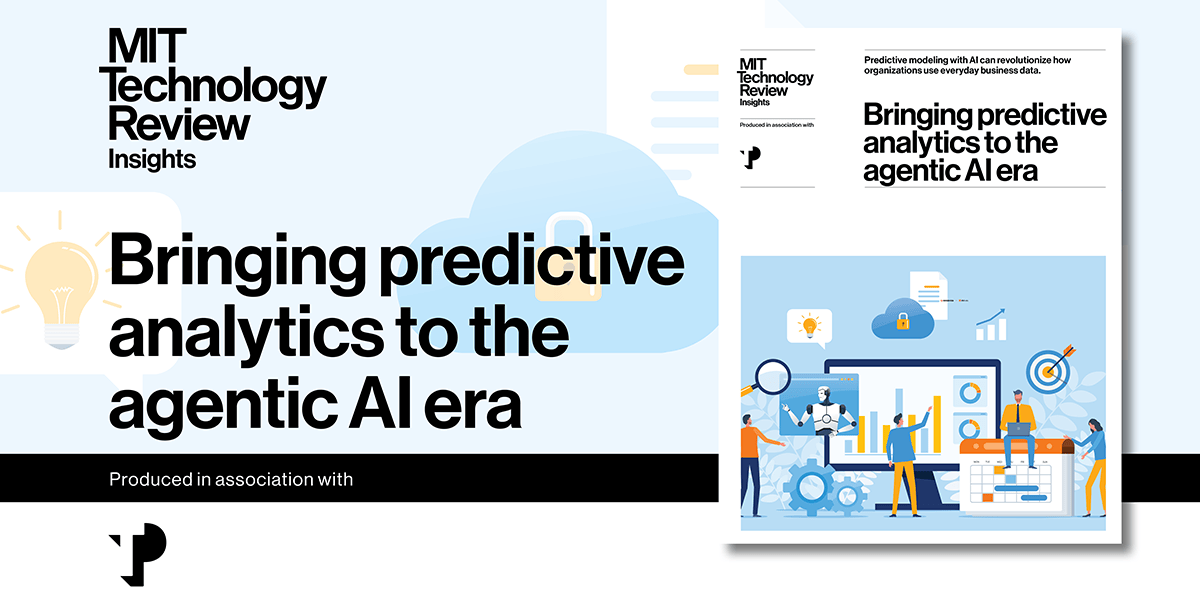
Everest Group partner Vishal Gupta says enterprises are done with a backward-looking point of view. The frontier in enterprise AI has moved from prediction to autonomous decision making.
Why it matters
Gupta's read is that the argument over whether predictive models beat statistical forecasts is settled. The remaining question is getting systems to act on their conclusions without drifting from business intent.
What to watch
The gap between leaders and laggards is widening, so the test is whether enterprises can keep autonomous systems aligned with intent. Gupta also says the word 'analytics' is giving way to AI.
WHO IT HITSEnterprise data and analytics teams at large organizations are the ones who will have to shift from quarterly forecast reviews to systems that act on their own conclusions. Executives setting AI strategy may feel the pressure most, given the widening gap between leaders and laggards.
Summaries like this, in your inbox every morning.
The article frames 2026 as a year when the debate over whether predictive models can beat statistical forecasts is already settled. What remains open is how to let predictive systems act on their own conclusions without drifting from business intent — a shift the piece describes as moving from prediction to autonomous decision making.
Two technical changes underpin that shift. Real-time training lets AI evolve continuously rather than waiting for quarterly refreshes, and newer predictive engines now draw on messy, unstructured sources of insight-rich interactions, not just neat numerical records. Gupta's comment that the word 'analytics' is giving way to AI reflects how broadly that label is being applied.
The stakes hinge on whether enterprises can close the gap the article says is widening between leaders and laggards. For teams whose work is built around periodic forecasts, the question is likely to be less about model accuracy and more about keeping autonomous systems pointed at the right business intent.
Pick your industry and the AI tools you use, and get news related to your work every day.
Free · 30 seconds with Google · unsubscribe anytimeWhat is AIToday? →
Ask AI anything about this article. The AI reads this article, earlier AIToday articles, and Wikipedia, and cites its sources. Q&As are published on this page for other readers too.
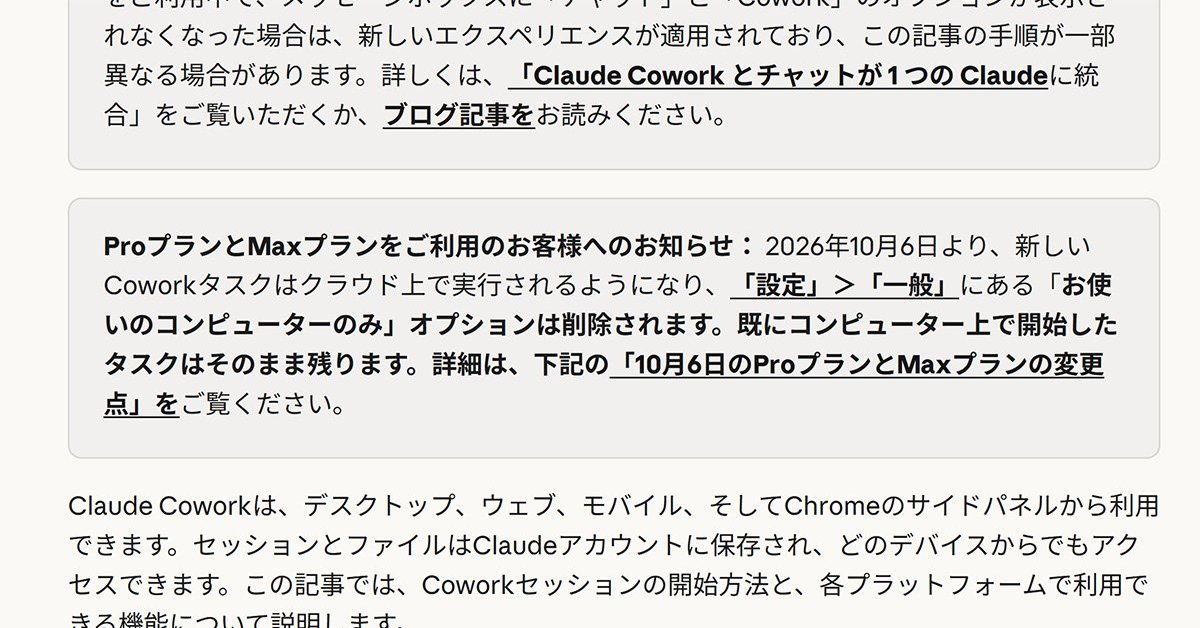
Anthropic said that from October 6 onward, Cowork tasks on the Claude Pro and Max plans run in the cloud, and…
Itoki and Matsuo Institute analyzed anonymized data from 854 workers across 70 behavioral features, using VAR-…

Over the trailing five years, insiders at Nvidia, Palantir, and Alphabet filed Form 4s showing roughly $17.5 b…

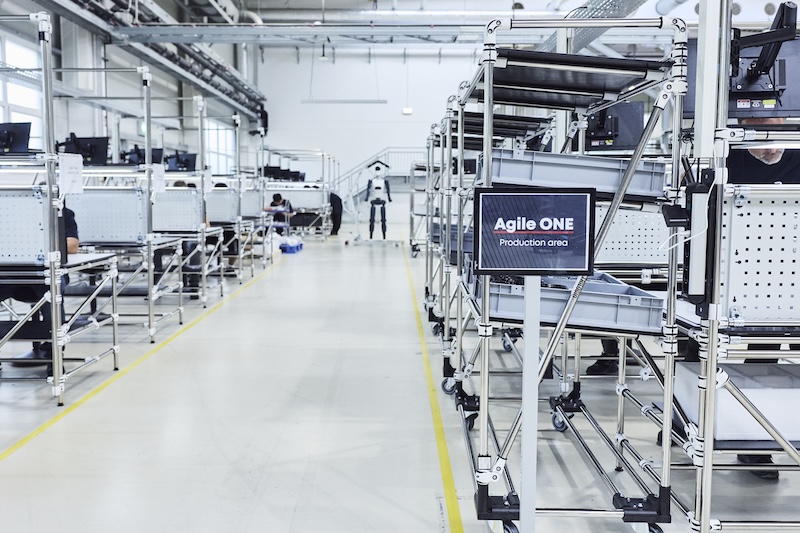
Agile Robots CEO Zhaopeng Chen said at the company's Physical AI Media Day that "physical AI is going to be 10…
Cohere launched North 2, a revamped enterprise platform with orchestration that coordinates AI agents tapping…

Oracle Japan's president Tomomitsu Misawa introduced "Oracle Fusion Claw," an enterprise take on the desktop-a…