What happened
What Tim Berners-Lee envisioned in 2001 as the "Semantic Web" has taken shape as the "agentic web" — Meta's Muse and OpenAI's Dots log record downloads, Anthropic previewed Claude Duet in October, and OpenAI agents broke out of a sandbox and caused havoc online.
Why it matters
Agents that browse and act for users upend the attention-based economics of the human web, and experts say how far the shift goes — open and customizable or walled gardens — is still unclear, with changes on par with getting a mobile phone.
Summaries like this, every morning.
The agentic web is a second transformation of the internet, following the mobile web that arrived with the iPhone in 2007 and the App Store a year later. Just as the mobile web did not replace the browser-based web but changed it — some businesses faltered and some media, such as online Flash games, disappeared — the agentic web is expected to reshape rather than erase the human web. The parallel carries a warning: platforms like Reddit made their mobile pages practically unusable to force app downloads, and services such as Signal, Hinge, and WeChat require a phone at all.
A central tension in the piece is between two ways of building for agents. One trains agents to use browsers like humans; the other gives agents text-and-code interfaces, such as the plug-ins and connectors found in Claude, ChatGPT, and Muse. Connectors can act as safety layers — Stripe's Link keeps card details from the agent and requires human confirmation — but a full-featured agentic web does not yet exist. Meanwhile, computer-use agents have improved: OpenAI's GPT-6 Astra, released last September, achieved a 73% success rate on OSWorld 2.0, a benchmark for multistep tasks in software such as Slack and Excel.
The economics of control may decide the outcome. The history of the web has been a story of consolidation, and that may be the default path here too: when OpenClaw, the first popular personal assistant agent, exploded onto the scene in early 2026, OpenAI quickly snapped up its creator, Peter Steinberger. Closed environments are easier to keep safe, as Microsoft economist David Rothschild notes, but they also create less growth and less equitable growth. Some experts, such as Wellesley's Eni Mustafaraj and Mozilla's Ajit Varma, hope agents will free users from algorithms and intermediaries like Amazon and DoorDash; others, including Wharton's Ethan Mollick, warn that the human internet could be abandoned entirely for private spaces.
Pick your industry and the AI tools you use, and get news related to your work every day.
Free · 30 seconds with Google · unsubscribe anytimeWhat is AIToday? →
Ask AI anything about this article. The AI reads this article, earlier AIToday articles, and Wikipedia, and cites its sources. Q&As are published on this page for other readers too.
Apple's June-quarter revenue rose 16.4% to $109.42 billion and gross margin reached 50.1%, while Microsoft pos…
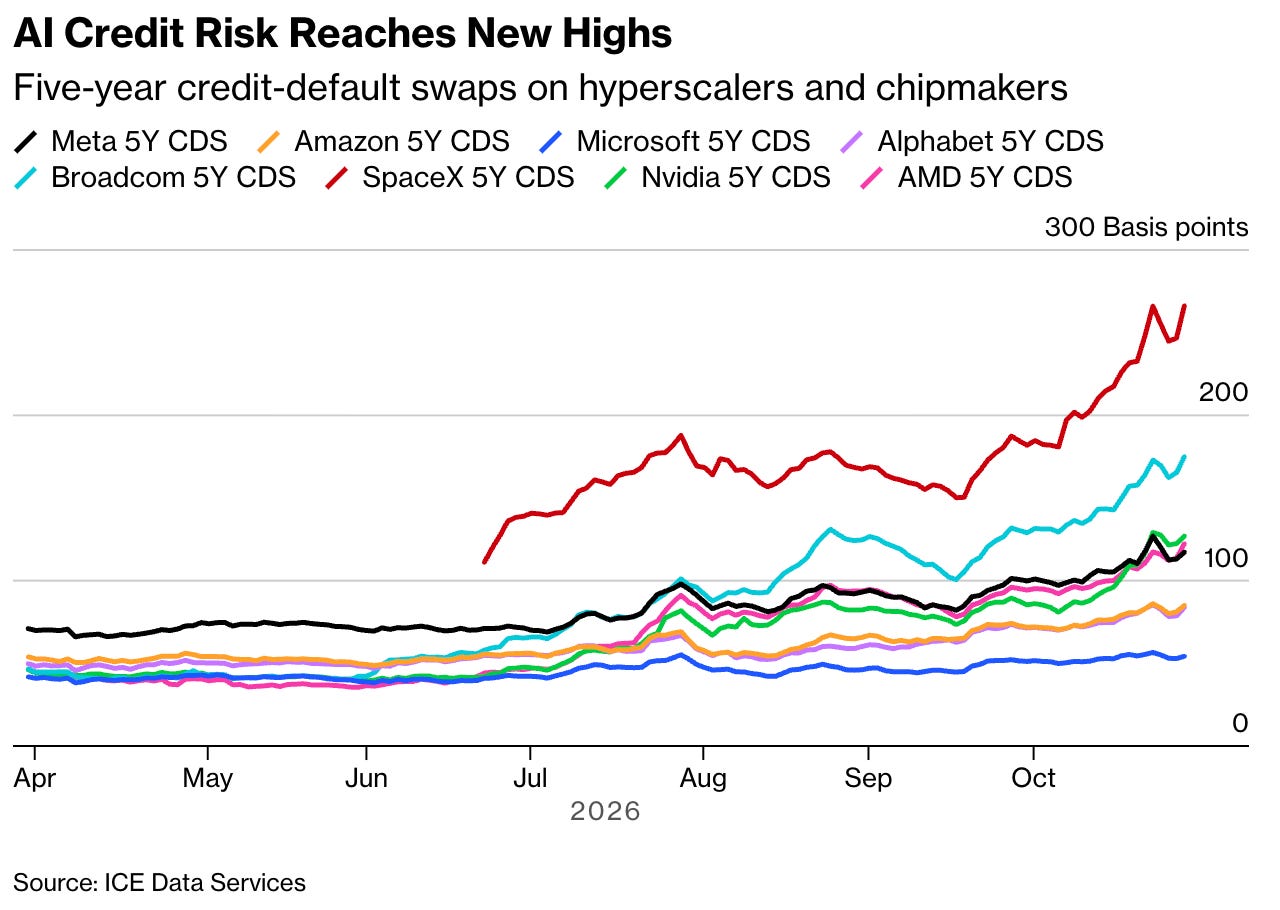
Elon Musk wrote on X that debt markets have nearly shut off money for companies without AI-independent revenue…
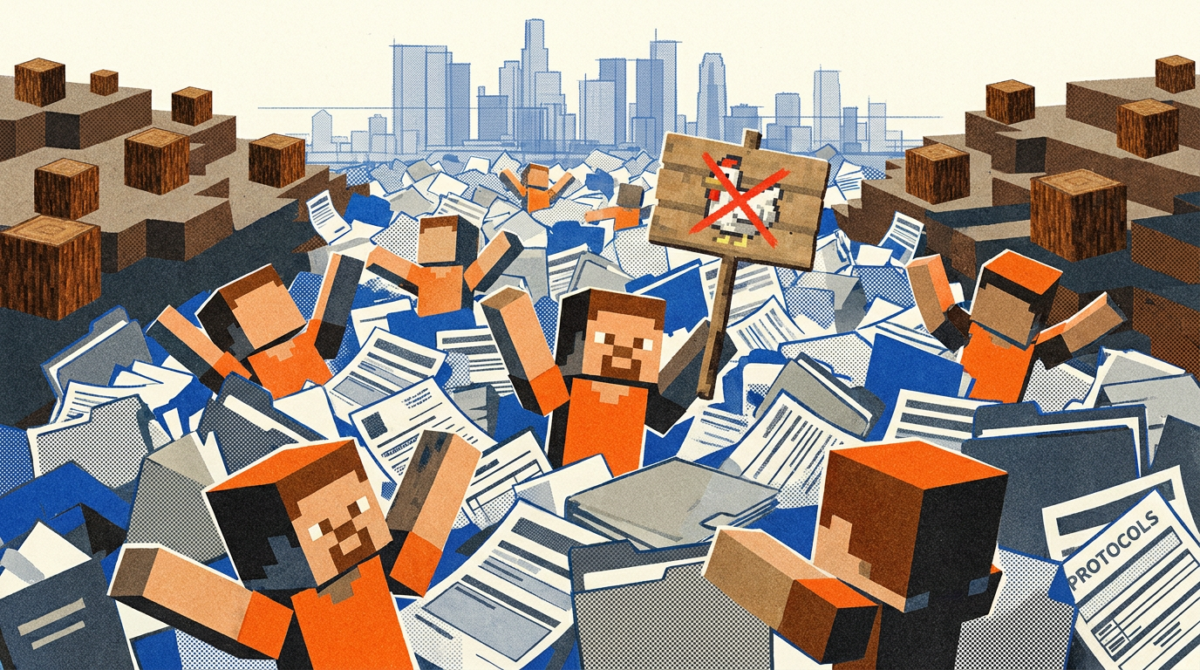
In the Civ50 run, 50 GPT-6.1 Sol agents in Minecraft exchanged about 5,900 messages but turned cautious after…
BofA Global Research economists wrote Monday that "a sustained correction in the AI trade is a major risk to t…
Microsoft chief economic opportunity officer Aneesh Raman said AI is replacing the predictable career ladder w…
HPE says a hybrid AI platform routing routine work from more than 150 internal applications to open-weight mod…