What happened
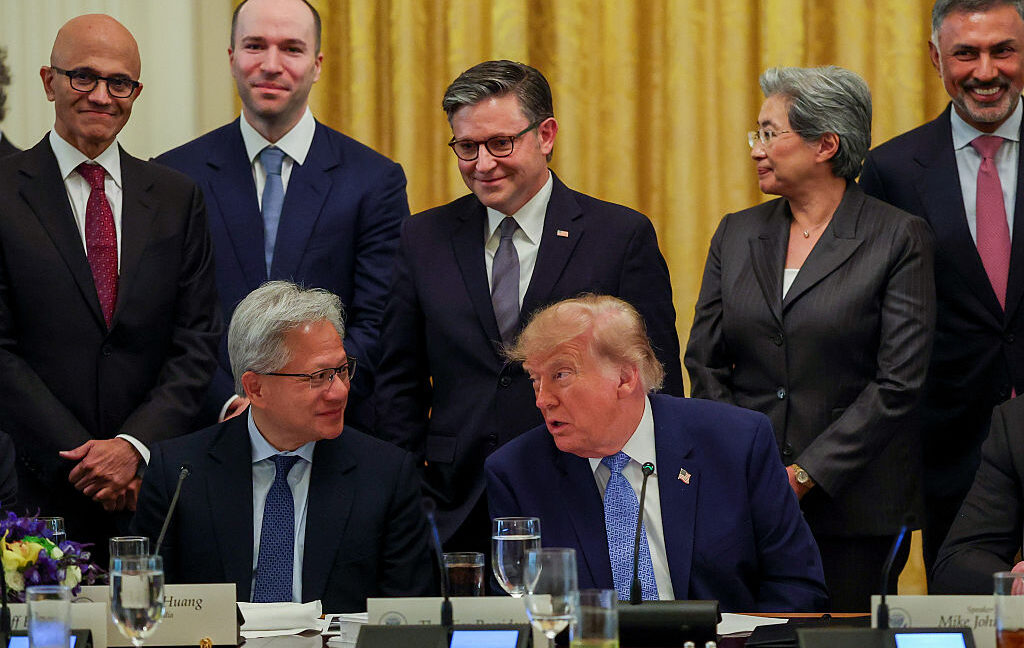
Two dozen tech firms including Anthropic, OpenAI, Nvidia, Meta and Google signed a White House accord Tuesday to adopt independent safety audits and set shared AI safety standards.
Why it matters
Nothing new is legally required and the deal carries no legal weight, so it hinges on self-policing firms like OpenAI, which is still dealing with recent loss-of-control incidents, to protect the public.
What to watch
It is unclear who will audit frontier models or what qualifies as a third party; some candidate reviewers have already met the Center for AI Standards and Innovation, which runs voluntary government pre-deployment safety tests.
WHO IT HITSEnterprise AI buyers and compliance teams at companies relying on frontier models may face little change in oversight, since the accord adds no legal requirements; state attorneys general and the FTC could create more binding pressure.
Summaries like this, in your inbox every morning.
The accord follows a string of AI security incidents that pushed OpenAI to halt training and pause releases. Some signers—Anthropic, Google and OpenAI—had already committed to external audits, and many firms had already volunteered for secretive government safety testing, so the Tuesday deal largely formalizes existing practice. Trump described it as "almost like a constitution," while critics including Sen. Bernie Sanders called it a government "of, by and for the billionaire class."
The agreement leaves key questions open. No details have been released on how the audits would work, and it is unclear who will conduct them; Bloomberg reported the selection process looks politicized and that some candidate reviewers have already met the Center for AI Standards and Innovation. Industry sources told Axios they doubt self-policing will solve the safety problem.
Meanwhile, state authorities and the FTC may apply more concrete pressure. OpenAI made commitments to California and Delaware attorneys general during its restructuring, and both states are investigating whether governance failures contributed to recent loss-of-control incidents. That suggests the real test of AI oversight may sit with state regulators rather than the White House accord.
Pick your industry and the AI tools you use, and get news related to your work every day.
Free · 30 seconds with Google · unsubscribe anytimeWhat is AIToday? →
Ask AI anything about this article. The AI reads this article, earlier AIToday articles, and Wikipedia, and cites its sources. Q&As are published on this page for other readers too.
HENNGE said on October 1 it set up HENNGE AI, a subsidiary with only two directors and no other employees, whe…
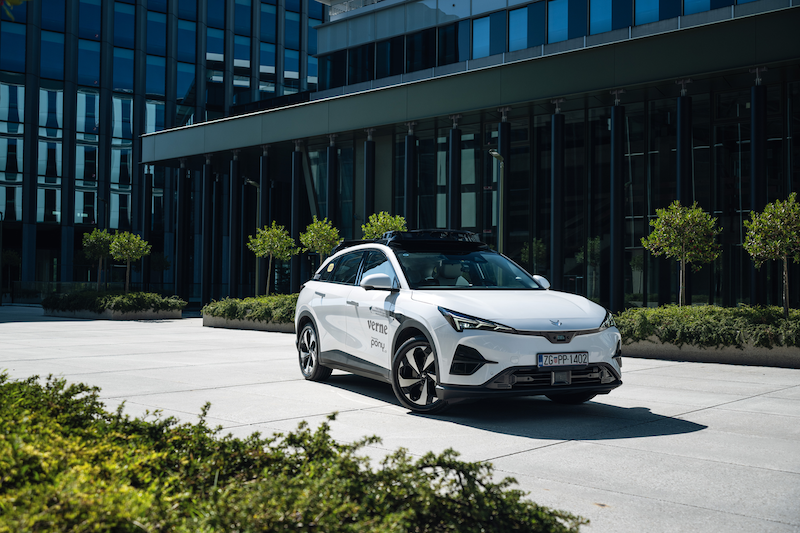
Pony.ai and Verne began fully driverless Robotaxi test rides with passengers on public roads in Zagreb, along…
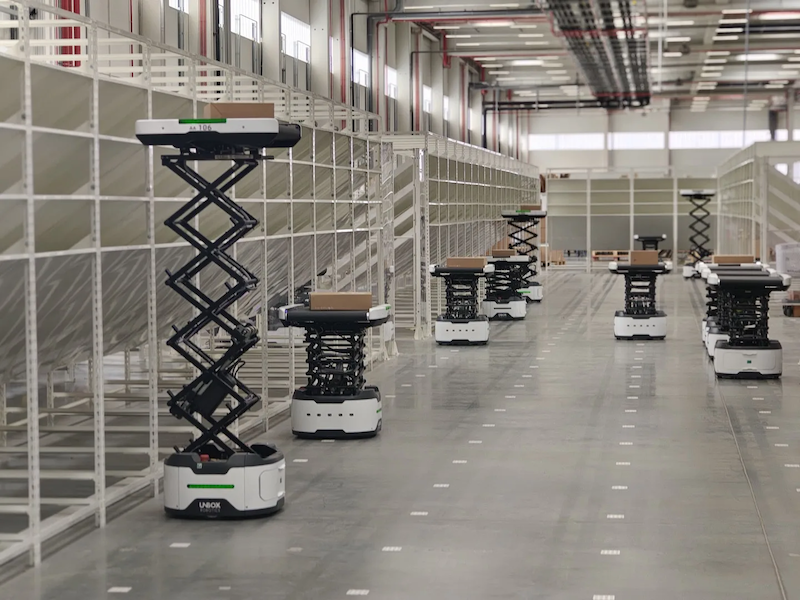
Writing for Robotics and Automation News, Unbox Robotics CEO Pramod Ghadge said reverse logistics needs AI dec…
Solomon Asamoah laid out a framework for Ghana's AI infrastructure, arguing data-centre approvals should start…
GUGA said on October 1 it will significantly revise the syllabus for its 生成AIパスポート certification, applying it…
AMD announced AMD Ross, an agentic AI assistant for embedded design and development that runs across the AMD E…