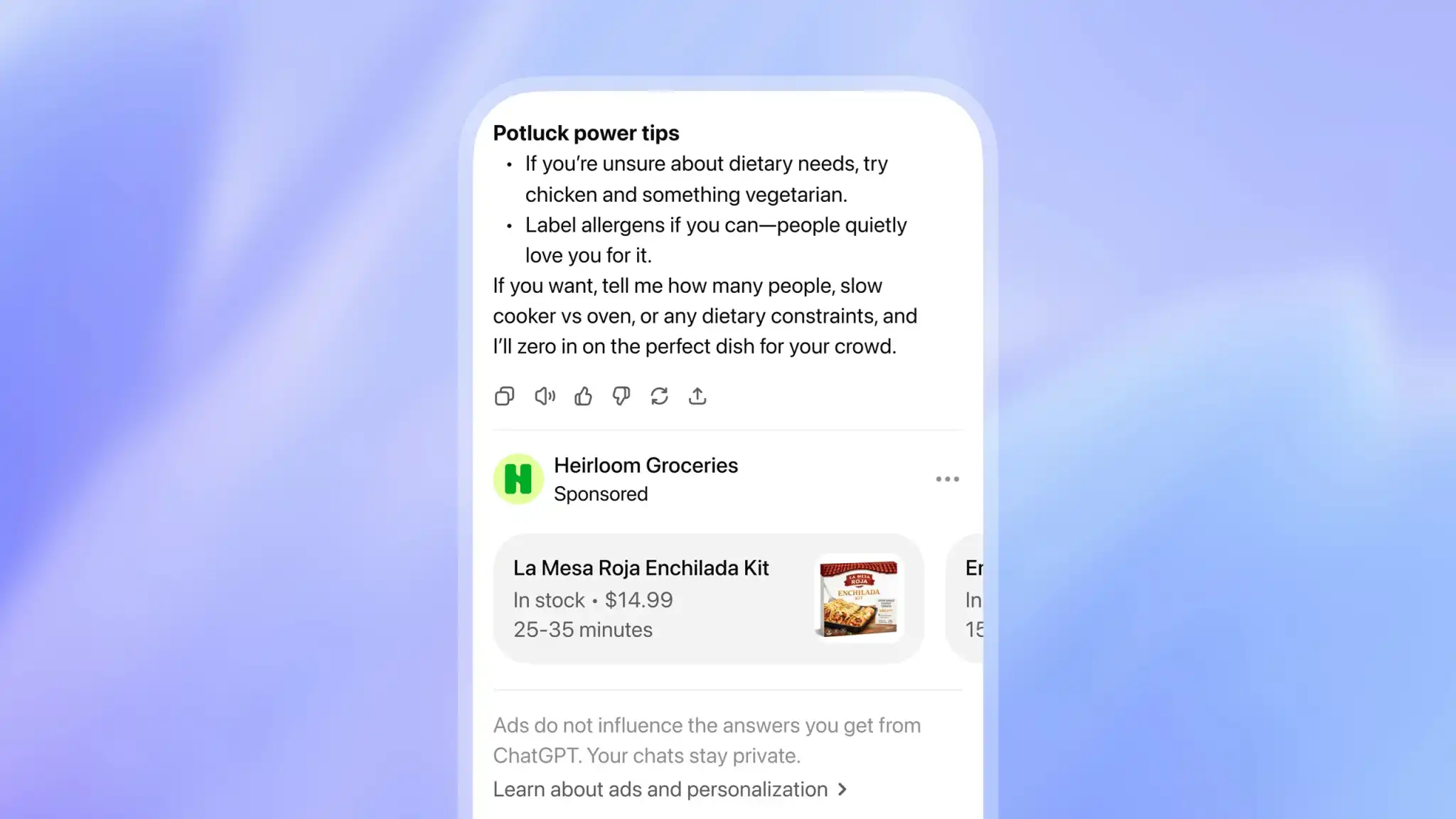
Stanford researchers warn that AI agents may let ads influence recommendations.
This could harm trust in shopping and serious areas like healthcare.
Regulation may be needed before it gets entrenched.
What happened
A new Stanford research paper warns that AI chatbots and agents may let advertising dollars influence what they recommend, making it harder to tell paid results from genuine information.
Why it matters
As AI agents take over internet search and e-commerce, this could affect trust in everyday purchases—like choosing a toaster—and more serious areas like healthcare and financial services, where biased advice could have real consequences.
What to watch
The study suggests government regulation might help, such as requiring chatbots to disclose financial incentives, but policing could be too opaque. The authors urge sorting this out before an adtech-like industry forms around agentic commerce.
Ask the AI about this article →
The Stanford paper highlights a looming issue as AI agents become the new front door to commerce and information. With the example of five toaster companies bidding for an agent's attention, it illustrates how invisible paid influence could undermine the promise of personalized, unbiased assistance. The stakes extend beyond consumer goods to healthcare and financial services, where a biased recommendation could have serious personal consequences.
The paper suggests that while capable AI agents might filter out misleading marketing, the more likely scenario is that most people rely on free, ad-supported chatbots. This creates an incentive structure where ads could shape advice. The authors argue for proactive regulation, such as mandatory disclosure of financial incentives, but acknowledge the difficulty of policing such opaque systems. The call to act now reflects the risk that an adtech-like ecosystem around agentic commerce could lock in these conflicts before they are properly addressed.
AI-summarized, only the topics you pick — one digest a day via Email, Slack, or Discord.
Free · takes 30 seconds · unsubscribe anytime
Ask AI anything about this article. Q&As are published on this page for other readers too.
On August 25, 2026, OpenAI unveiled Jalapeño, its first custom inference chip, claiming 1.5–1.9x more AI work…

The Linux Foundation announced the contribution of TRACE (Trust, Runtime Attestation and Compliance Evidence)…

OpenAI unveiled benchmarks for its Jalapeño inference chip on Tuesday, showing it competes with Nvidia’s best…

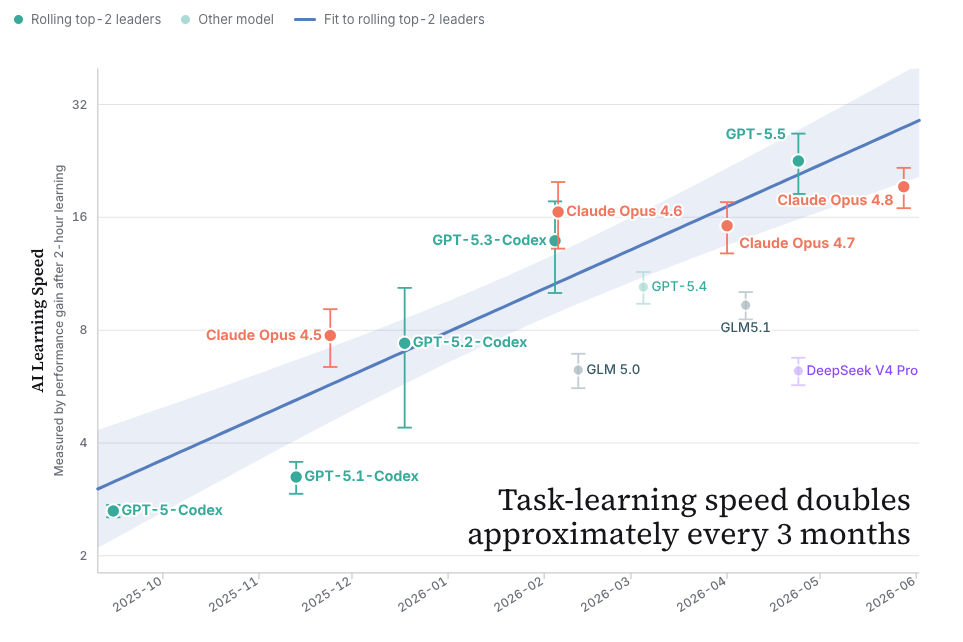
Researchers from Bytedance Seed developed EdgeBench, a benchmark measuring how AIs improve on tasks over multi…
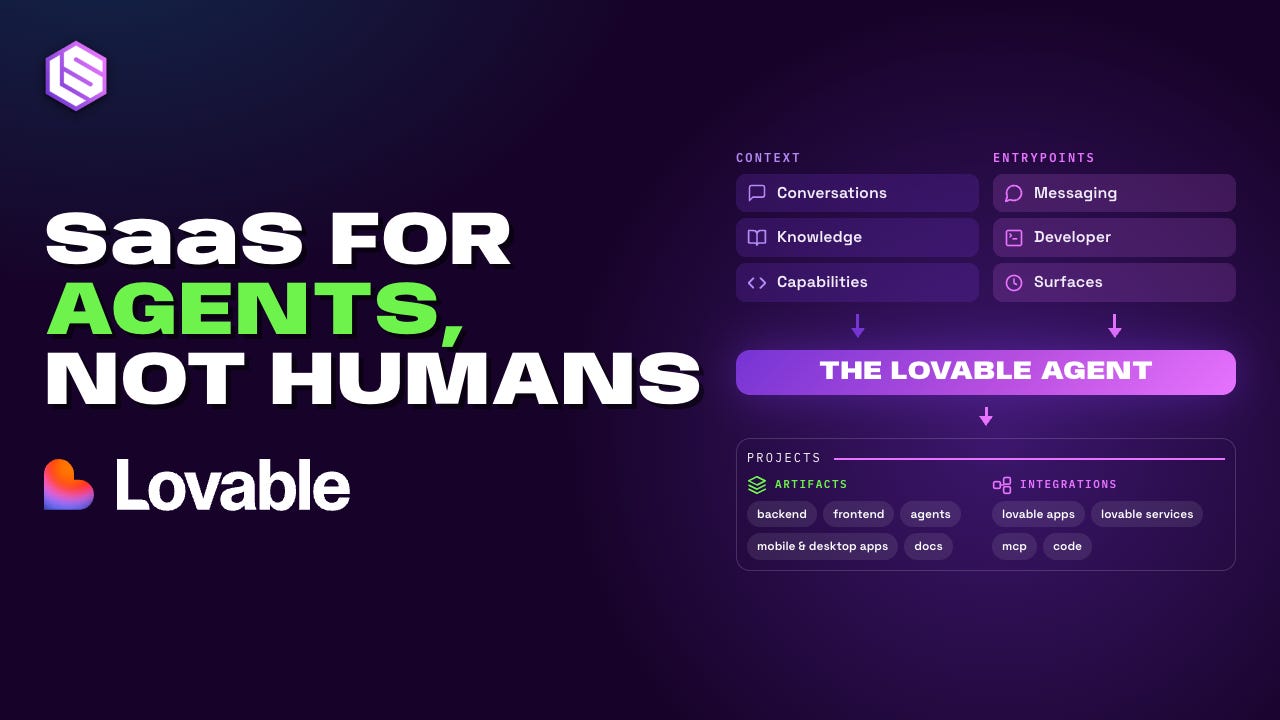
Lovable introduced a vision where apps become 'capabilities' that AI agents can call directly, bypassing the h…
OpenAI CEO Sam Altman told TIME the company will have an internal system he'd call AGI by the end of 2026