What happened
At Sequoia AI Ascent, DeepMind CEO Demis Hassabis said AGI arrives in 2030 and described a two-step mission: build AGI, then use it to solve everything.
Why it matters
The 2030 date matters because Hassabis has said it consistently for years, a rare signal of conviction rather than a shifting forecast, and AlphaFold gives the drug-discovery claim concrete backing.
What to watch
The wide spread of AGI timelines across companies means one executive's fixed date is still a bet, not a settled schedule; whether researchers take this as proof AI is a new language for biology is the test.
WHO IT HITSBusiness leaders and R&D planners weighing when to fund AI-driven science should treat the 2030 AGI date as one executive's long-held forecast, not a schedule they can bank on. Pharmaceutical and biotech teams with decade-long discovery pipelines are the clearest near-term audience for the drug-development claim.
Summaries like this, in your inbox every morning.
Hassabis's talk at Sequoia AI Ascent was framed as the latest chapter of a single long plan: he says he mapped out a route to AGI at 15, then went on to found DeepMind. He recalls that at the time of founding, nobody in academia or industry took the goal seriously, and he pairs that memory with a lesson for founders — go 50 years ahead and you fail. In the same talk he ties the AGI goal to the practical: an extension of AlphaFold, in which new drug development that takes 10 years could be shortened to months or weeks.
The talk also carries a philosopher's side. He explains why economics cannot become physics and suggests AI simulation could break through that wall. He offers the analogy that machine learning is to biology what mathematics is, and speculates that the root of the universe may be information — meaning AI, as information processing, may connect deeply to the universe itself.
What the outcome hinges on is the gap between this conviction and the wider field, where AGI timing predictions vary widely; Hassabis's consistency gives his 2030 call weight, but it remains one executive's forecast rather than a consensus. For researchers and engineers, the more durable takeaway is likely the framing of AI as more than a tool — a new language — which may shape how they approach problems rather than when AGI lands.
Pick your industry and the AI tools you use, and get news related to your work every day.
Free · 30 seconds with Google · unsubscribe anytimeWhat is AIToday? →
Ask AI anything about this article. The AI reads this article, earlier AIToday articles, and Wikipedia, and cites its sources. Q&As are published on this page for other readers too.
Anthropic released Claude Haiku 5.5, a small model for repetitive work, with list prices of 10 cents per milli…

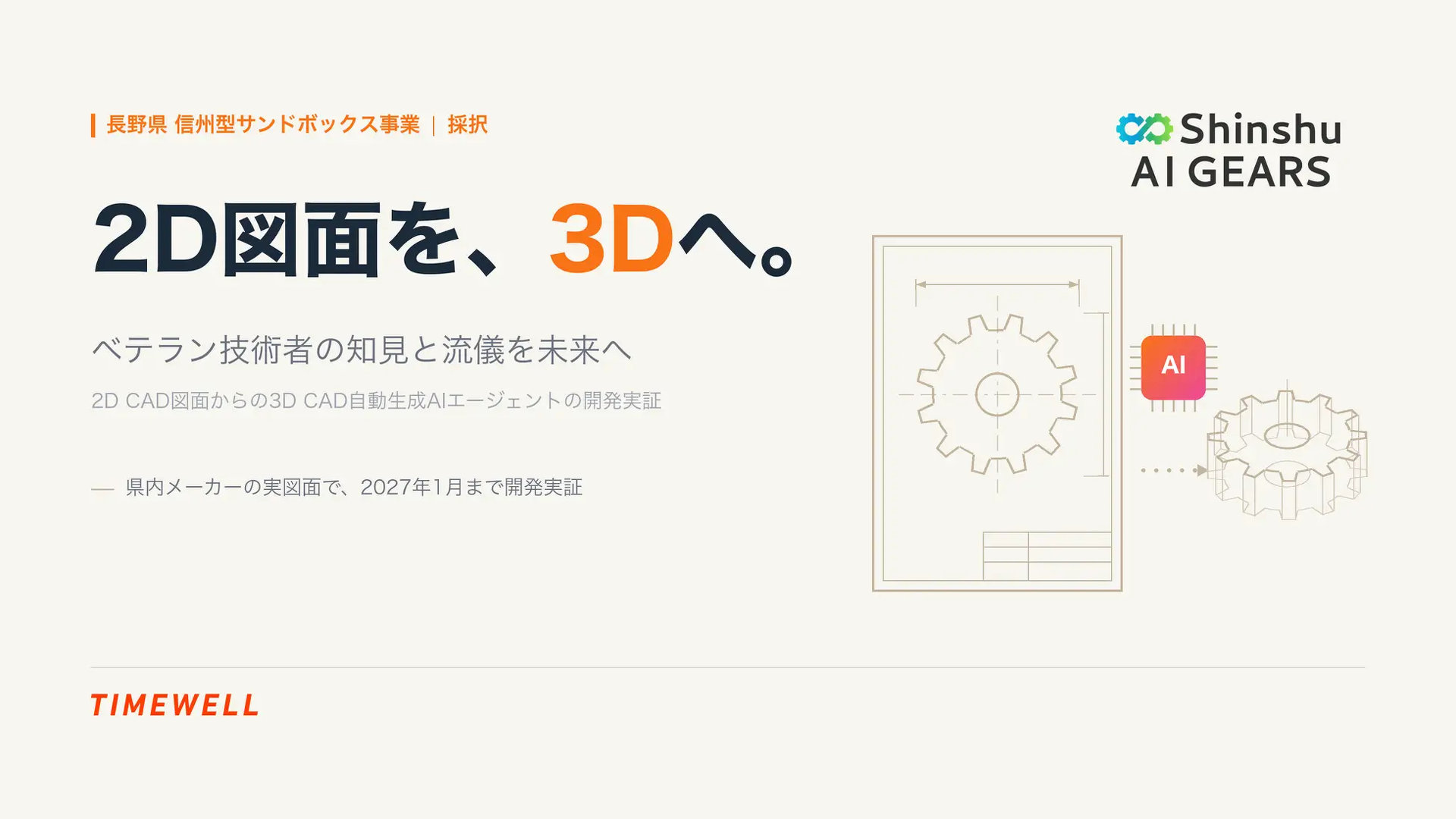
TIMEWELL said on October 1, 2026 it was chosen as a Shinshu AI GEARS subsidy recipient, working with Orion Kik…
Mecka AI announced a $60 million Series B led by Sequoia, with Nvidia, Microsoft's venture fund M12 and others…
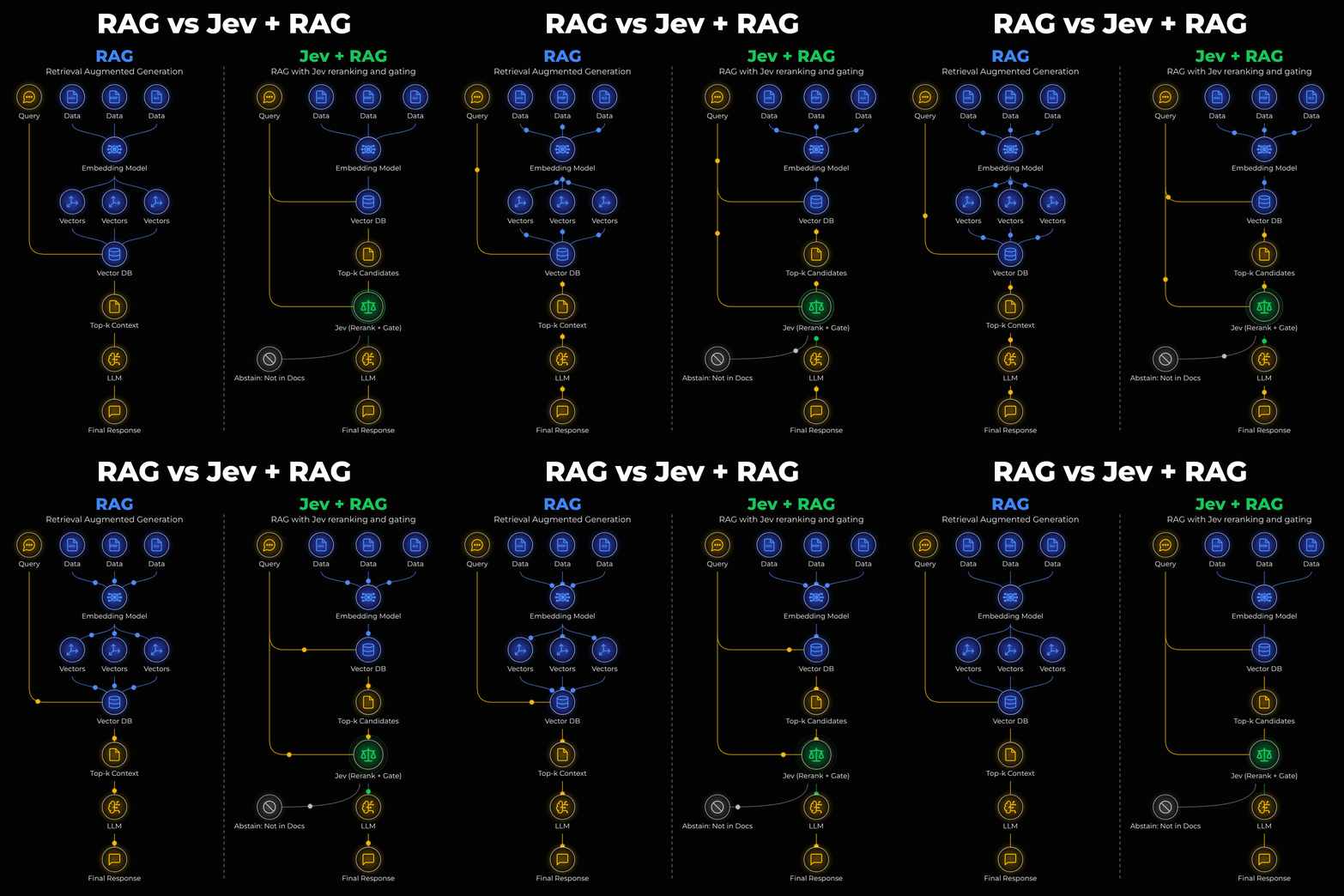
Jev + RAG keeps retrieval as is, but replaces a conventional reranker with a typed decision—"Does this passage…
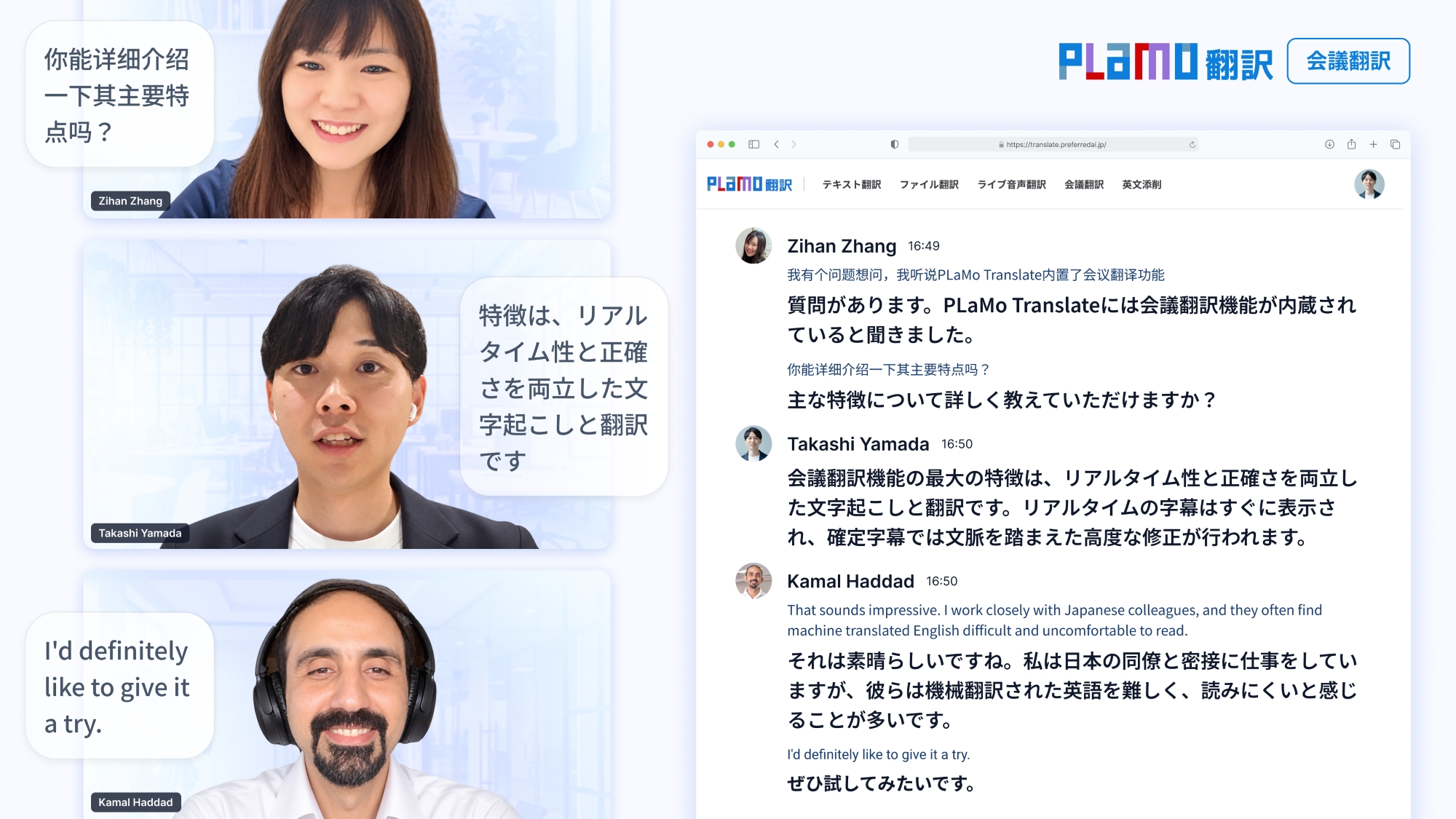
Preferred Networks began offering a major update to its Japan-focused AI translation service PLaMo翻訳, claiming…
Analysts estimate China's best models are now just four months behind OpenAI and Anthropic, versus seven month…