What happened
A Zenn author described a single Claude Docs artifact — a 'task ledger' of in-progress and under-consideration topics — that both Claude chat and Claude Code read and write, first created on 2026 年 9 月 25 日 and refined through October 7.
Why it matters
Because one document holds the current state, a session can resume without re-deriving where each topic stands, and the author's update burden drops since Claude performs the writes.
What to watch
The ledger does not stay correct on its own — topics Claude did not touch go stale, so the author periodically has it read aloud and fixes outdated entries by hand.
WHO IT HITSPeople who run multiple parallel workstreams with Claude — and anyone coordinating a chat session alongside Claude Code on the same projects — can see how a single shared document replaces scattered notes, mail, calendars and repositories.
Summaries like this, in your inbox every morning.
The author's starting problem was a familiar one: notes on a single notebook page could not keep up once information scattered across work mail, personal mail, calendars, chat and multiple GitHub repositories. The ledger, first drafted on 2026 年 9 月 25 日 and refined through October 7, is the response — a single Claude Docs artifact holding active and under-consideration topics, split into operating rules, four broad themes (work, personal development, study, life), and numbered sub-topics such as A-1 and B-1.
The design leans on two choices. Each sub-topic carries only five fixed items — background, purpose, location, status, and one next step — so the document stays an index pointing to repositories and issues rather than a full record. And because the profile instruction carries the artifact's name and URL account-wide, the author reports that even Sonnet could open it without searching. The rules at the top of the ledger matter for a similar reason: an agent opening the document reads the update conventions along with the content, which is how Claude Code ends a session by writing back the status and next step on its own.
What this hinges on is upkeep. The author notes the ledger does not become correct automatically, and sub-topics Claude did not touch stay old — which is why each entry carries an update date. The author periodically has the whole document read aloud and corrects stale items verbally. For readers juggling parallel projects with Claude, the appeal is less the format than the split of labor: the human narrates what changed, and the agent keeps the single page current.
Pick your industry and the AI tools you use, and get news related to your work every day.
Free · 30 seconds with Google · unsubscribe anytimeWhat is AIToday? →
Ask AI anything about this article. The AI reads this article, earlier AIToday articles, and Wikipedia, and cites its sources. Q&As are published on this page for other readers too.
Kore.ai Inc. launched Autoloop, which adjusts AI agents toward goals customers set for task completion, busine…

OpenAI launched a Decisions API that evaluates text, images, or both, returning yes/no probabilities, category…

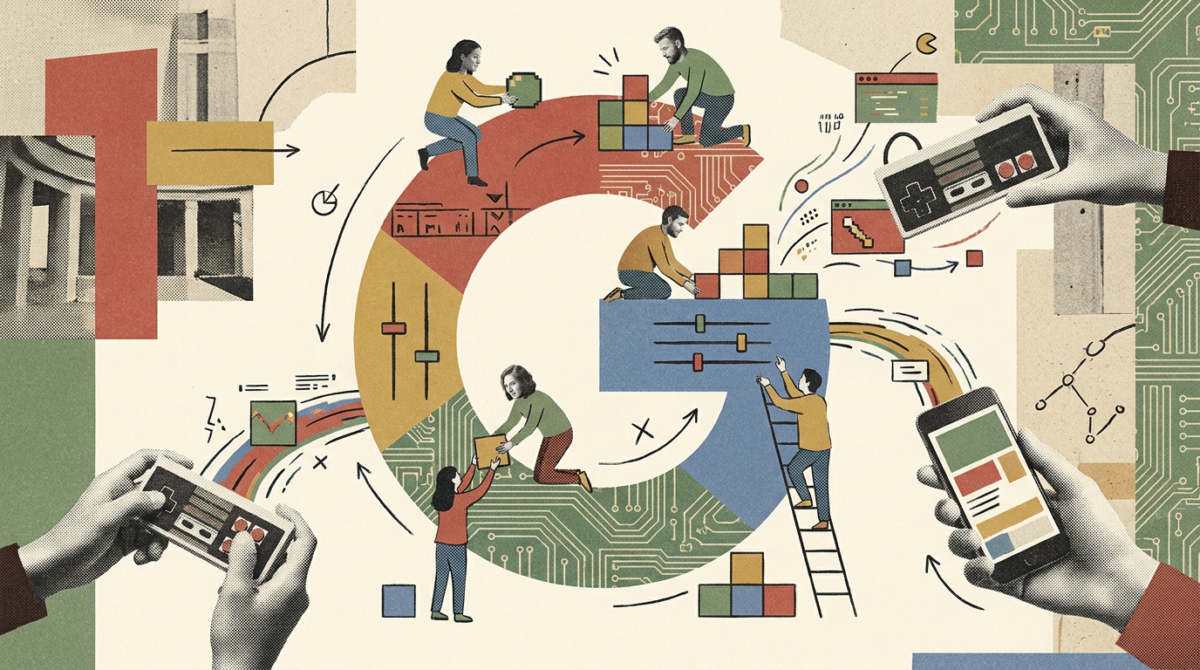
Google launched Playground, a browser-based AI platform that lets adults in the US create games using only tex…
Google made its SynthID detector available globally to anyone with a Google, OpenAI, or Apple account, with a…

In August, DoorDash emailed Bay Area restaurants warning they may be listed on Bites without consent, with ter…
At MIT Future Fest, Tony Fadell said the Rabbit R1, Humane Ai pin, and Limitless pendant failed because they "…