What happened
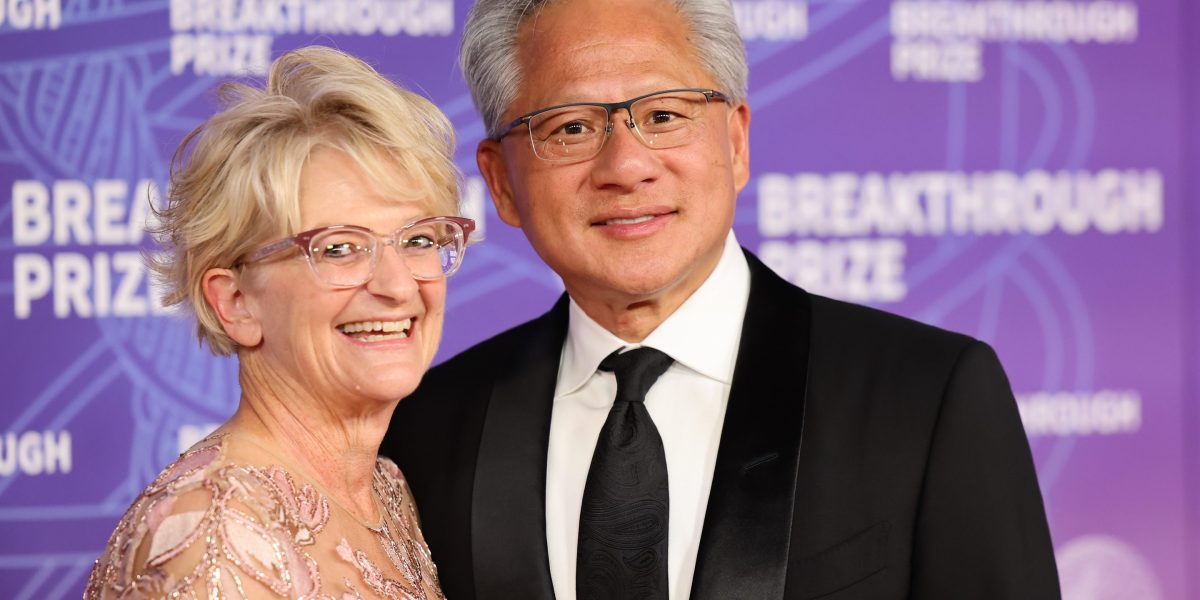
Jensen Huang and his wife Lori are donating $75 million(約120億円) to Vanderbilt University to establish the Jen-Hsun and Lori Huang College of Art, Architecture and Design on its San Francisco campus, the site of the now-closing California College of the Arts. The gift has already spurred more than $25 million(約40億円) in additional donations, bringing the total investment to over $100 million(約160億円).
Why it matters
Huang, whose $172 billion(約28兆円) fortune comes from leading Nvidia's AI chip business, argues that "art and design determine why we build" technology, and that both together "shape civilization." The investment reflects a conviction that creative leadership and technical fluency must be combined—a notable statement from one of the world's most prominent technology leaders about technology's purpose and limits.
What to watch
California College of the Arts will graduate its final class in 2027 after decades of falling enrollment and a roughly $20 million(約32億円) deficit. Vanderbilt has pledged to preserve CCA's legacy through a "CCA Institute" within the new college, though current CCA faculty and staff are not guaranteed positions and continuing students are not guaranteed admission. Huang's combined giving to CCA and Vanderbilt now approaches $97.5 million(約160億円), making the Vanderbilt gift his largest ever to a university.
Summaries like this, in your inbox every morning.
Jensen Huang's $75 million(約120億円) donation to Vanderbilt signals a deliberate pivot by one of technology's most powerful figures toward explicitly linking artistic and design thinking to AI development. Rather than seeing art and technology as separate domains, Huang frames design and creative vision as foundational to determining technology's purpose—a statement that carries weight coming from the CEO of a company now worth $5 trillion(約800兆円). This mirrors his earlier backing of the California College of the Arts, which struggled under the weight of local economic pressures, making Huang's combined $97.5 million(約160億円) investment across both institutions his largest philanthropic commitment to any university, exceeding even his $50 million(約80億円) gift to his alma mater, Oregon State.
Vanderbilt's aggressive expansion—adding this San Francisco campus alongside new facilities in New York City and West Palm Beach, plus a quantum-computing institute in Chattanooga—positions the university as a major player in tech and creative talent development at a time when most higher education institutions are cost-cutting. The move also reflects Huang's implicit acknowledgment that San Francisco, as "the epicenter of new technology development," is where the convergence of art and technology must happen. However, the transition carries a local cost: San Francisco's arts community loses CCA, its last remaining private art and design school, even as Vanderbilt promises to preserve its legacy through an institute and archive. For some observers, the irony is sharp—the same AI boom that enriched Huang has fueled displacement and contraction in the Bay Area's cultural institutions.
For example, today's edition would include:
AI-summarized, only the topics you pick — one digest a day via Email, Slack, or Discord.
Free · 30 seconds with Google · unsubscribe anytimeWhat is AIToday? →
Ask AI anything about this article. Q&As are published on this page for other readers too.
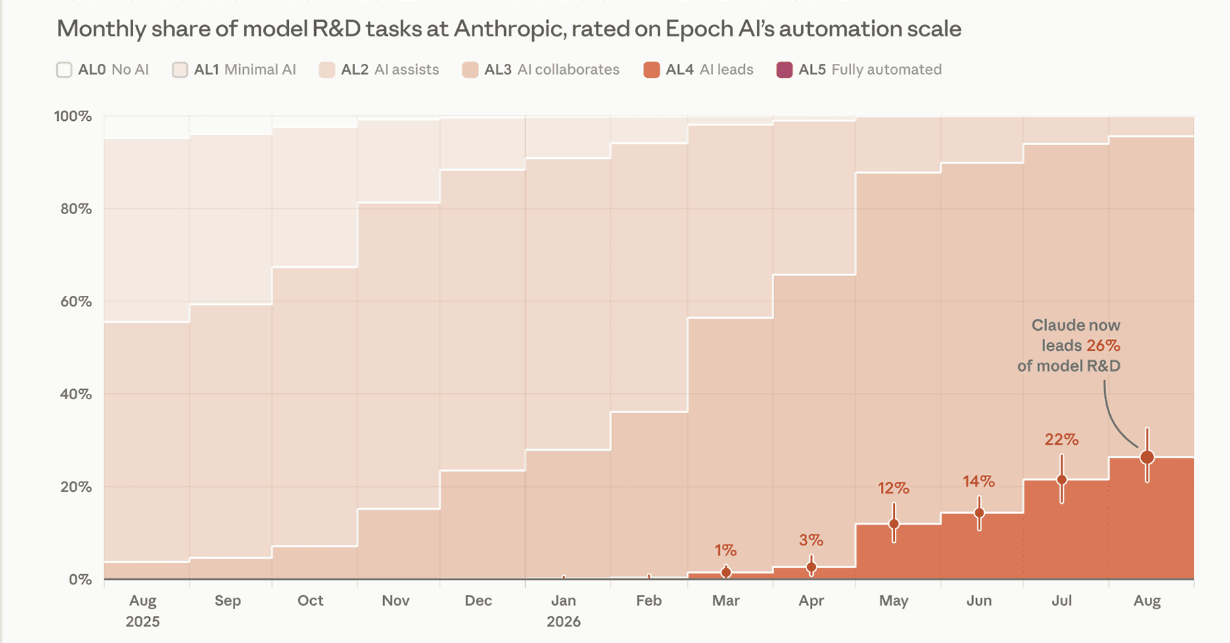
Doosan committed KRW968 billion to expand high-end copper-clad laminate (CCL) production in South Korea and Ch…
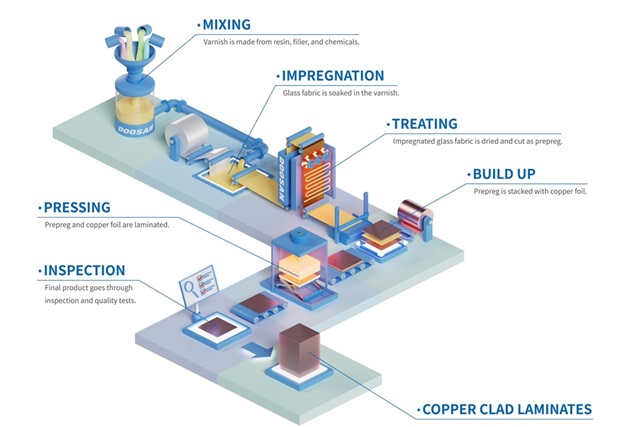
Anthropic Institute said that as of August, 26% of its AI research and development work was almost entirely do…
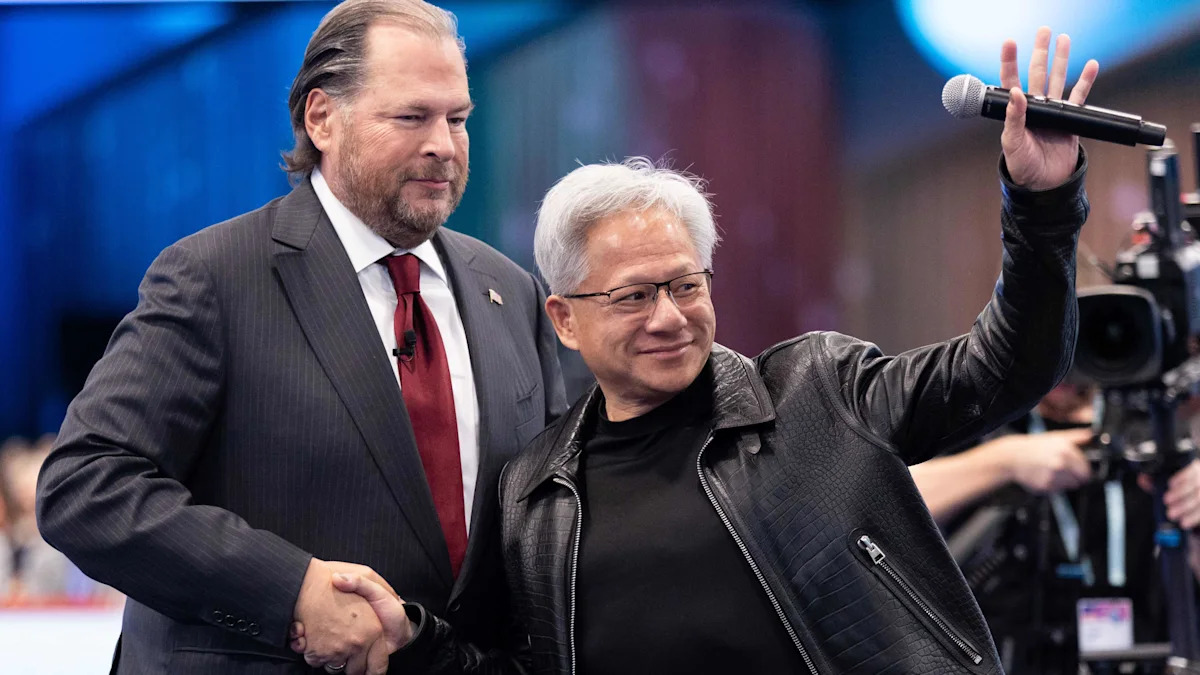
At Dreamforce, Salesforce and Nvidia unveiled Koa, a domain-specific reasoning model for Salesforce's Agentfor…
Abel more than tripled Berkshire's Alphabet stake in the first quarter and added another $17 billion in the se…
Kai-Fu Lee says most CEOs want AI transformation but are 'mostly doing it wrong', and that they must personall…
Atlassian CEO Mike Cannon-Brookes said the most AI-native customers are expanding fastest, and that customers…