
What happened
The developer of HACH, a resident AI agent for Slack, Teams and Chatwork, published a design guide arguing long-running agent tasks must assume the process will crash and persist each step's status (pending, done, failed) to external storage.
Why it matters
Re-running an unfinished task can double API costs and, for side-effecting calls like sending email or updating status, cause duplicate sends and updates, so side-effecting calls need an idempotency key that the receiving system also rejects on repeat.
Summaries like this, in your inbox every morning.
This checkpoint design is a second line of defense, one step behind zero-downtime deployment: where that earlier work aims to avoid dropping a process mid-task, this one assumes the drop will happen anyway and asks how to recover afterward. It frames the core failure as losing track of how far a task got — a problem that is cheap to ignore for short question-and-answer responses, where simply asking the user to repeat the request does little harm, but expensive for tasks that run for many minutes.
The proposed structure separates three kinds of calls. Read-only searches or tool calls can safely be re-run and need no idempotency key. Writes and email sends must carry an idempotency key, with the receiving system — the company's own database, if the API is internal — turning a second call with the same key into a no-op. LLM inference causes no real harm but duplicates cost, so if its output was already persisted, the saved result should be reused rather than recomputed. Where an external service does not support idempotency keys, use a guard that checks the caller's own record of whether that key already ran before making the call.
A second thread in the piece is that the same persisted state doubles as user-facing progress reporting. The author, who develops HACH, notes that as resident agent tasks grow longer and more complex, the cost of postponing recoverable design rises, and suggests wiring up step-level persistence early, while short responses still dominate.
Pick your industry and the AI tools you use, and get news related to your work every day.
Free · 30 seconds with Google · unsubscribe anytimeWhat is AIToday? →
Ask AI anything about this article. The AI reads this article, earlier AIToday articles, and Wikipedia, and cites its sources. Q&As are published on this page for other readers too.
Dell's Helen O'Sullivan said Bay Area customers are exhausting token budgets allotted for months within a matt…

Meta released Muse Wonder and Muse Wonder Full, agent models for long, multistep tasks such as insurance claim…
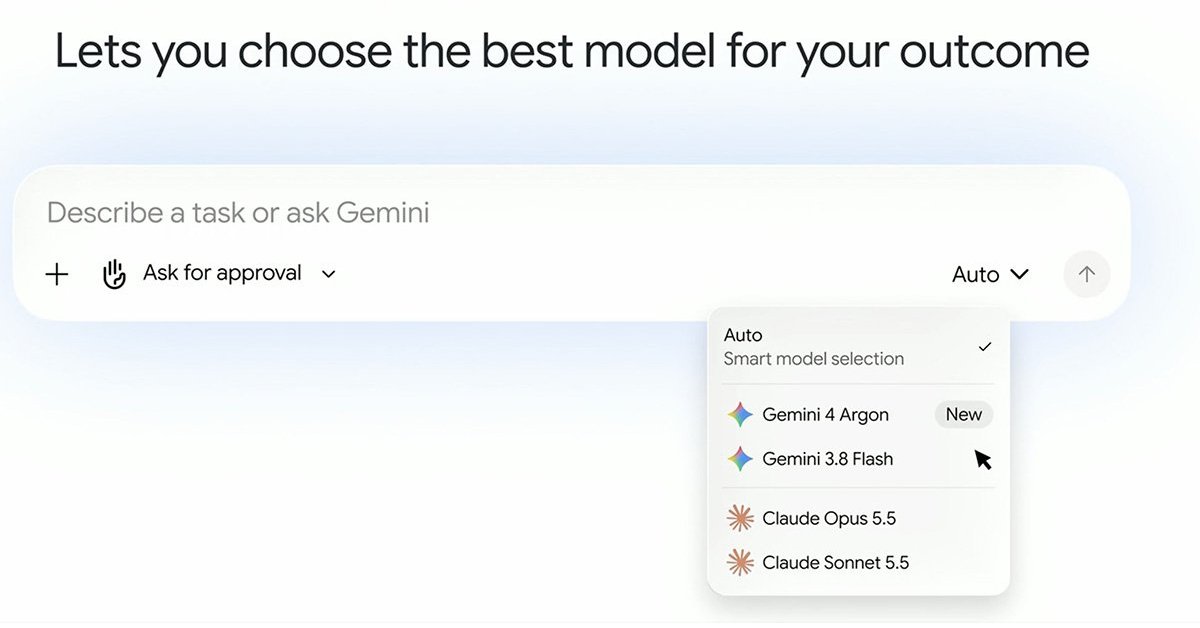
Google Cloud announced Gemini Agent on October 9, a multi-agent tool that runs in the cloud and isn't locked t…
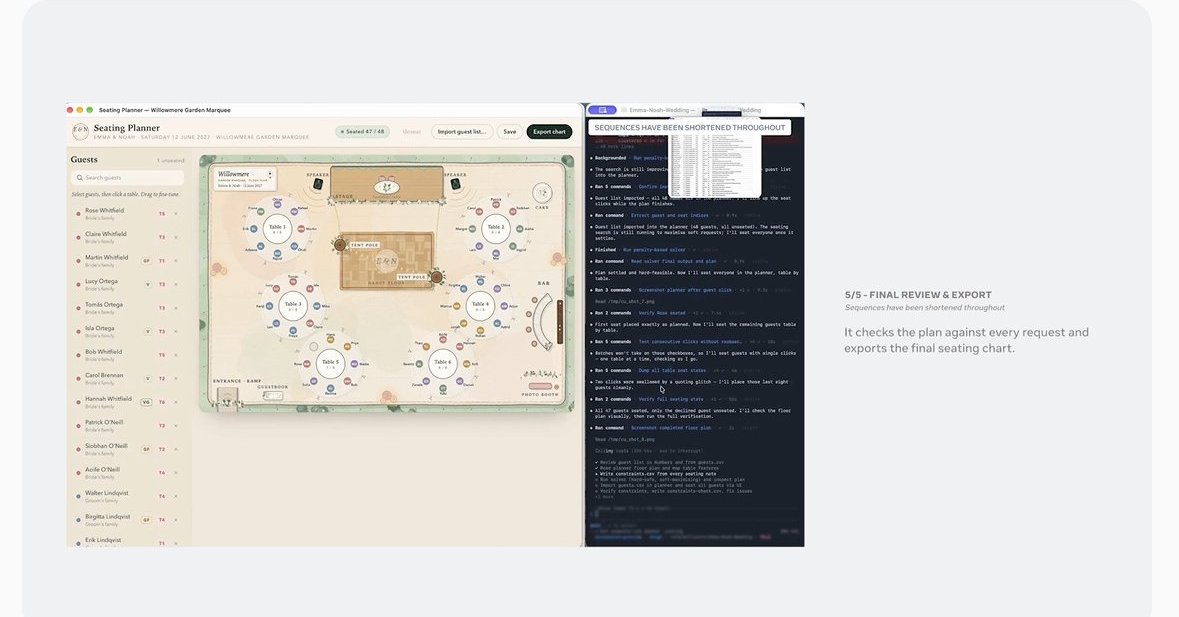
Meta unveiled Muse Wonder and the higher-tier Muse Wonder Full on October 12, calling them its largest and mos…
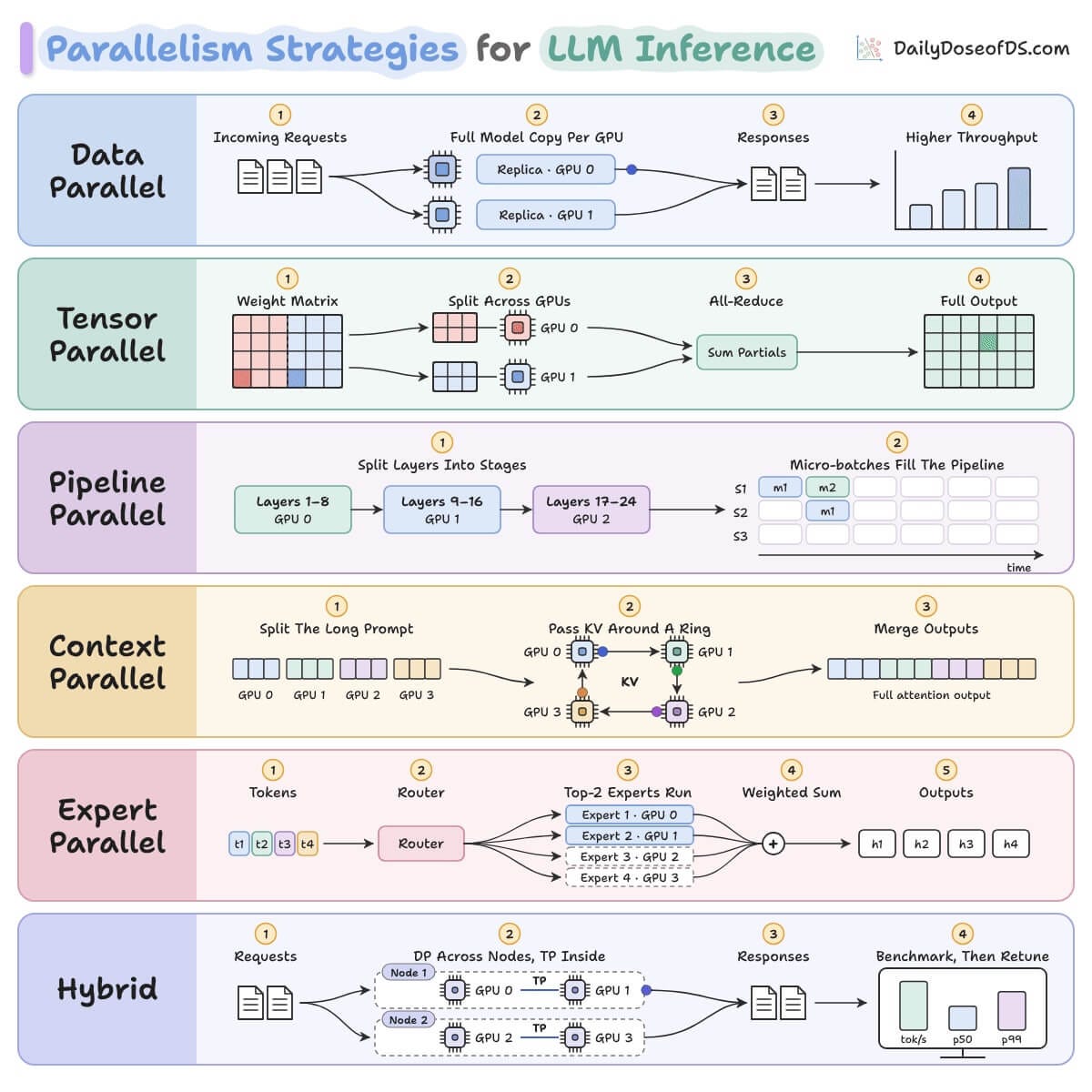
A newsletter laid out six common strategies for parallelizing LLM inference — data, tensor, pipeline, context…
A developer entered the 5th Agentic AI Hackathon with Google Cloud with "Vulnerability Busters," which scans a…

