What happened
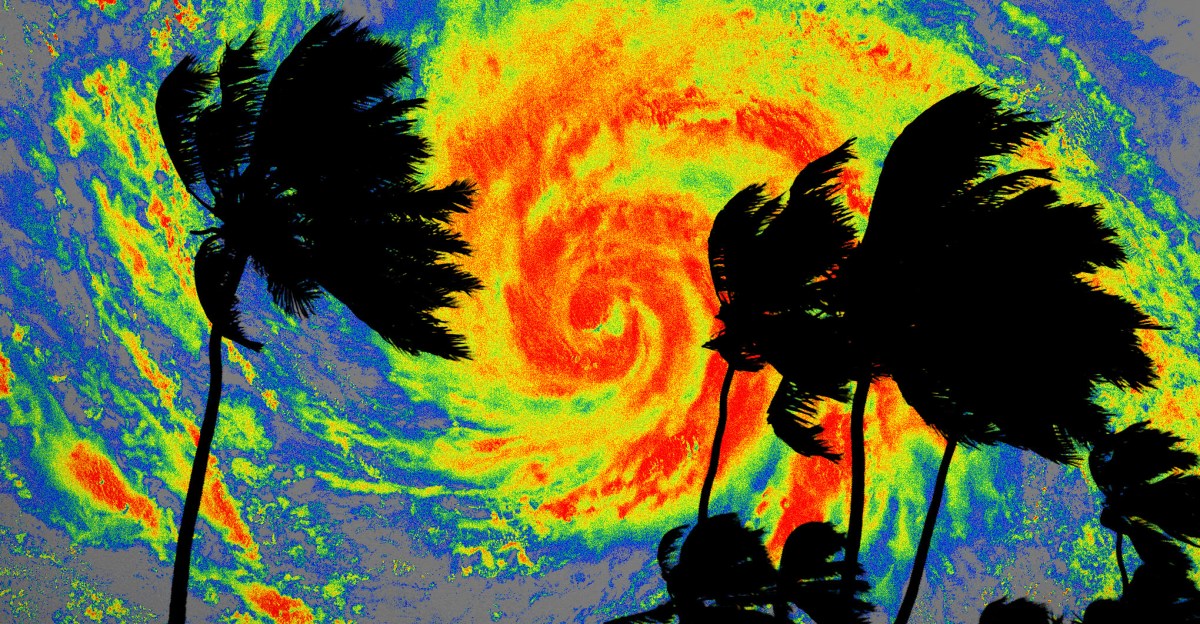
Microsoft researchers published in Nature a machine learning method called Probabilistic Bias Correction (PBC) that corrects systematic bias in existing weather models for 2–6 week forecasts. The tool is now open-source software.
Why it matters
Because it can run on CPUs rather than supercomputers or GPUs, resource-strapped weather agencies could use it to improve accuracy; farmers and emergency responders may plan ahead with greater certainty.
WHO IT HITSWeather agencies with limited computing resources, especially in economically developing countries, could adopt PBC to improve forecasts and early warnings. Farmers and emergency responders may benefit from more reliable 2–6 week outlooks, assuming the method performs as reported.
Summaries like this, in your inbox every morning.
Microsoft's latest work tackles a long-standing constraint in weather forecasting: physics-based models run on supercomputers, and generative AI models rely on powerful GPUs, making both costly to operate. The company's approach is not to build another standalone model but to layer machine learning on top of existing ones to correct systematic bias. This matters because bias in weather models compounds over time, making forecasts less precise beyond two weeks.
The method, called Probabilistic Bias Correction (PBC), was developed with researchers from MIT, ECMWF, and other institutions. One cited example is correcting for climate change: a model trained on historical records might predict colder temperatures than the world is actually experiencing. Before publication, the ECMWF had already recognized the authors' work in its AI Weather Quest competition.
According to Microsoft Research New England senior principal researcher Lester Mackey, PBC can run just on CPUs, which could make it accessible to weather agencies with limited resources. The paper's authors, including Genevieve Flaspohler, now executive director of the nonprofit Rhiza Research, believe PBC's lightweight nature allows scientists without huge pools of resources to configure it for local needs. Rhiza Research is working with the Kenya Meteorological Service Authority, funded by the Gates Foundation, to test whether AI can improve early warnings ahead of an expected extreme rainy season during a record-breaking El Niño.
Pick your industry and the AI tools you use, and get news related to your work every day.
Free · 30 seconds with Google · unsubscribe anytimeWhat is AIToday? →
Ask AI anything about this article. The AI reads this article, earlier AIToday articles, and Wikipedia, and cites its sources. Q&As are published on this page for other readers too.
Prosecutors allege Abdulrahman Alfozan used prompts from his wife's ChatGPT account, sent Sept
YouTube is adding a "Made with AI" label to tracks "altered or fully generated" using AI, starting today in th…

OpenAI filed a document on Wednesday accusing an unnamed former employee of taking more than 100 files on its…
Gregor Stewart, Chief AI Officer at SentinelOne, said OpenAI Daybreak now delivers human-level reverse-enginee…

Amp CEO Quinn Slack says OpenAI models account for the majority of tokens used in Amp, and some users consume…
Fragment raised a $12 million Series A, co-led by FirstMark and BoxGroup, to build double-entry accounting too…