What happened
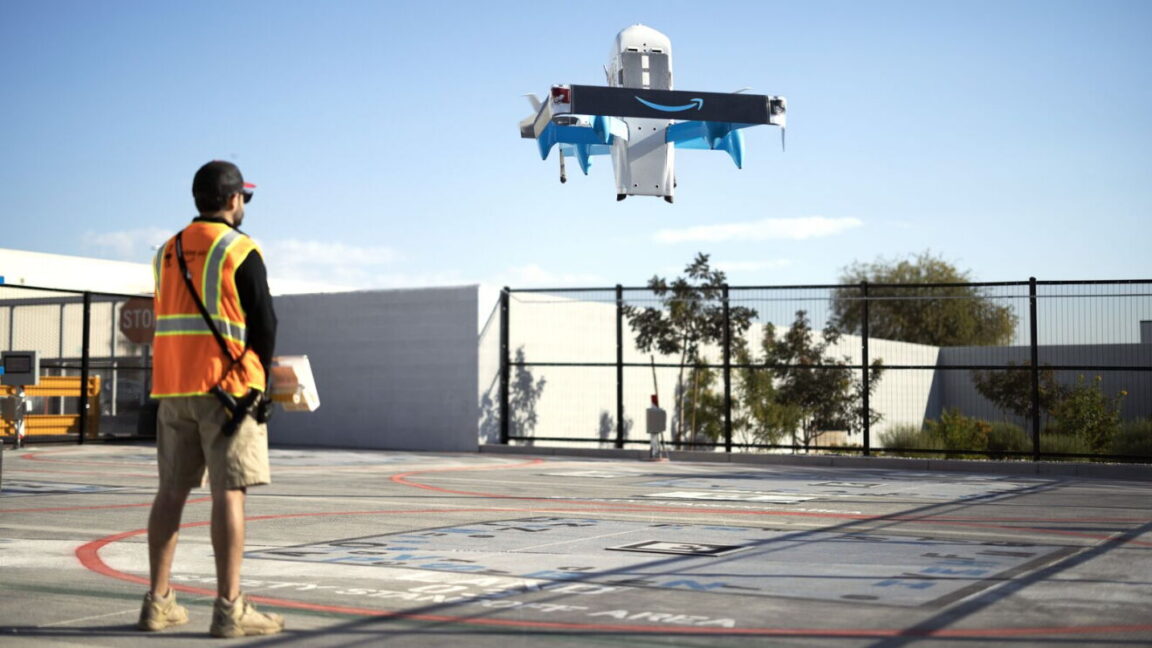
Amazon announced on August 19 it will expand Prime Air delivery drone service to Chicago, Cleveland, Atlanta, Syracuse New York, and Boise Idaho, with more cities to follow later in 2026. The company plans to grow its footprint sixfold from the current 10 cities across seven states to nearly 500 cities and towns by the end of 2026. Each Prime Air site covers about 175 square miles with delivery times ranging from half an hour to an hour.
Why it matters
The expansion will make drone delivery available to tens of millions more Americans, but residents in neighborhoods already served are reporting persistent noise—some hearing drones 50 times a day—and privacy concerns that may intensify as services scale. Safety incidents including crashes into construction equipment and power lines have also triggered FAA investigations, raising questions about whether current technology can safely handle nationwide rollout.
What to watch
Competitors including Walmart (operating from 66 stores across four states), Zipline (aiming for 1 million deliveries per day by end of 2029), and DoorDash (which received FAA Part 135 certification in July) are also racing to expand. The FAA's noise complaint data for drones remains low compared to helicopters, but that baseline may shift significantly as operations grow nationwide.
Summaries like this, in your inbox every morning.
Amazon's planned sixfold expansion reflects broader industry momentum toward autonomous drone delivery in the US. The company currently operates Prime Air from 10 cities across seven states, primarily serving suburban neighborhoods in the Southwest, South, and Midwest. On August 19, it announced rapid scaling to Chicago, Cleveland, Atlanta, Syracuse, and Boise, with the goal of reaching nearly 500 cities by year-end 2026. Each site covers roughly 175 square miles and promises delivery within 30 minutes to an hour.
This acceleration is not isolated. Walmart, operating from 66 stores across four states and having surpassed 1 million drone deliveries, plans to expand to more than 270 Walmart stores by 2027. Zipline, which has completed over 2.7 million deliveries worldwide and recently partnered with Uber, aims for 1 million deliveries per day by end of 2029. DoorDash received FAA Part 135 certification in July and is designing its own in-house drone program. The convergence of regulatory approval, safety improvements, and competitive pressure suggests the sector is moving from pilot to scaled deployment.
However, the expansion faces a growing friction point: resident tolerance for noise and privacy intrusion. Current Prime Air residents report drones overhead 50 times daily, with many describing the sound as disruptive to daily life and comparable to overhead helicopters or leaf blowers. Amazon has faced FAA and NTSB investigations into multiple safety incidents—two crashes into a construction crane in Tolleson Arizona (October 2025), an Internet cable strike in Waco (November 2025), and a building collision in Richardson Texas (February 2026)—raising questions about whether real-world performance matches algorithm expectations. Zipline's backup parachute system and cleaner safety record suggest different design approaches exist, but as operations scale to hundreds of cities, the number of noise complaints and safety incidents reported to regulators will likely increase substantially.
Pick your industry and the AI tools you use, and get news related to your work every day.
Free · 30 seconds with Google · unsubscribe anytimeWhat is AIToday? →
Ask AI anything about this article. The AI reads this article, earlier AIToday articles, and Wikipedia, and cites its sources. Q&As are published on this page for other readers too.
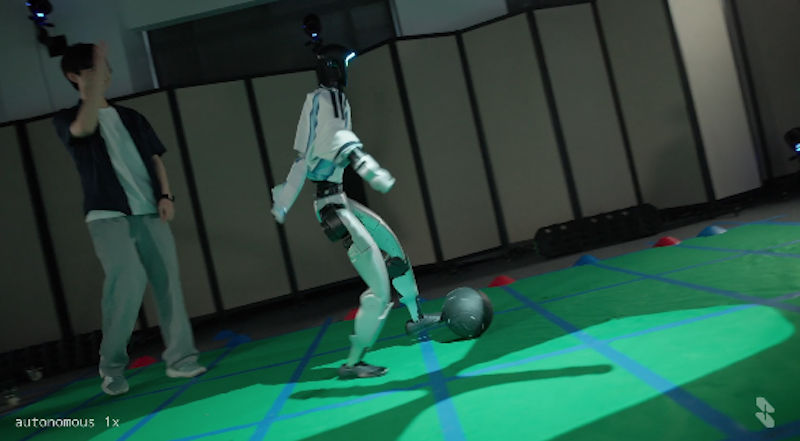
Skild AI used Nvidia Isaac Sim to give its S1 model one objective — score a goal — and let it compete against…
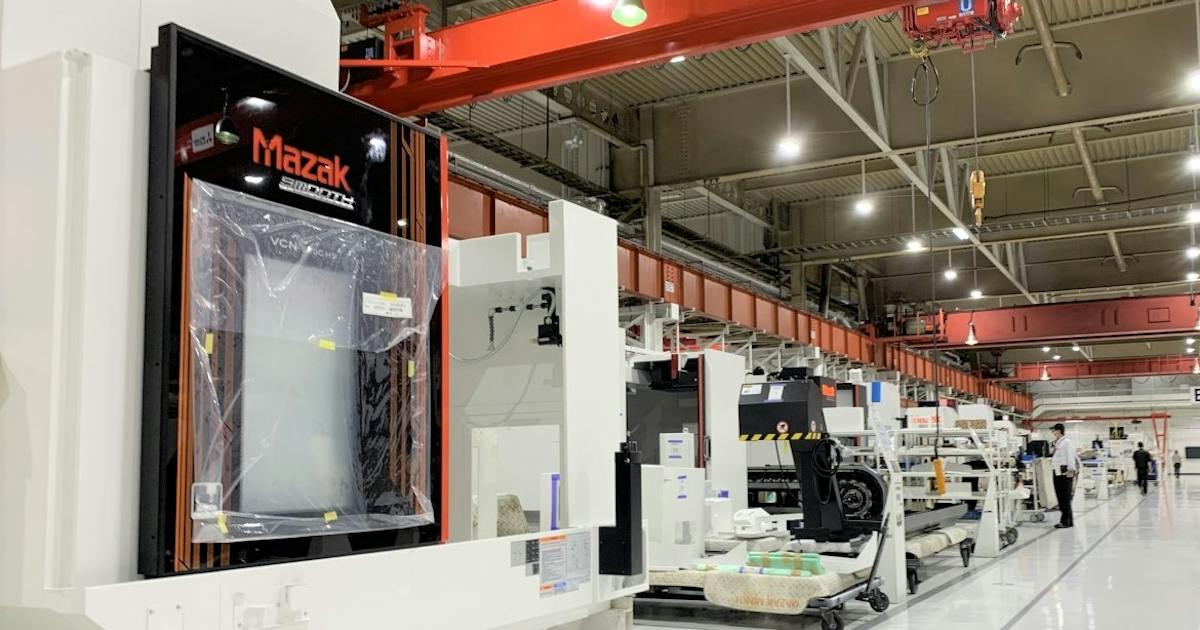
Yamazaki Mazak and ABEJA said on the 16th they will start joint development of physical AI, using ABEJA's ABEJ…
Toyota Motor's Japan Mobility Show Bizweek 2026 booth centers on its AI basketball robot CUE7, has no other ex…
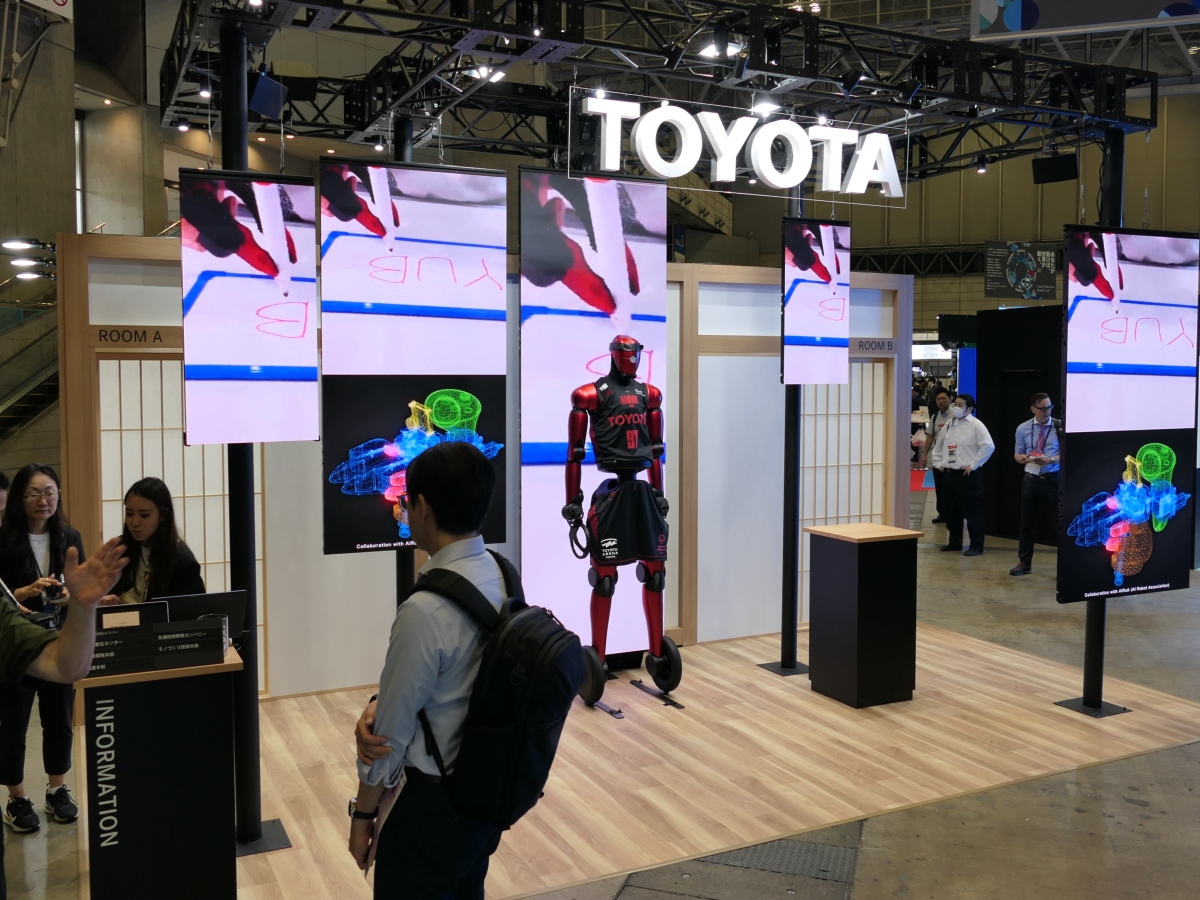
Japan Mobility Show Bizweek 2026 showcased Physical AI applications, including Toyota's basketball-playing rob…
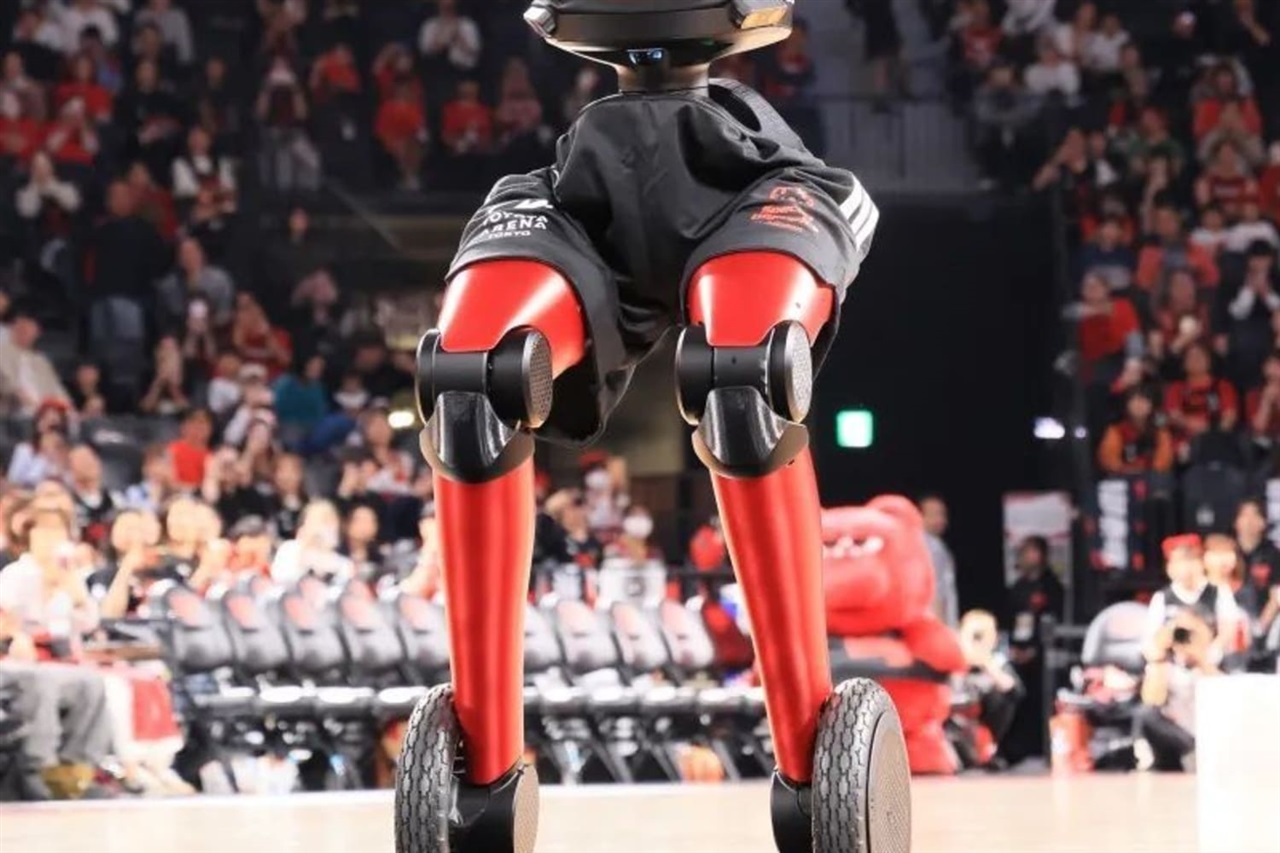
Google pitched Gemini 4 Argon as one model for robot control, simulation and training-data review, saying it s…
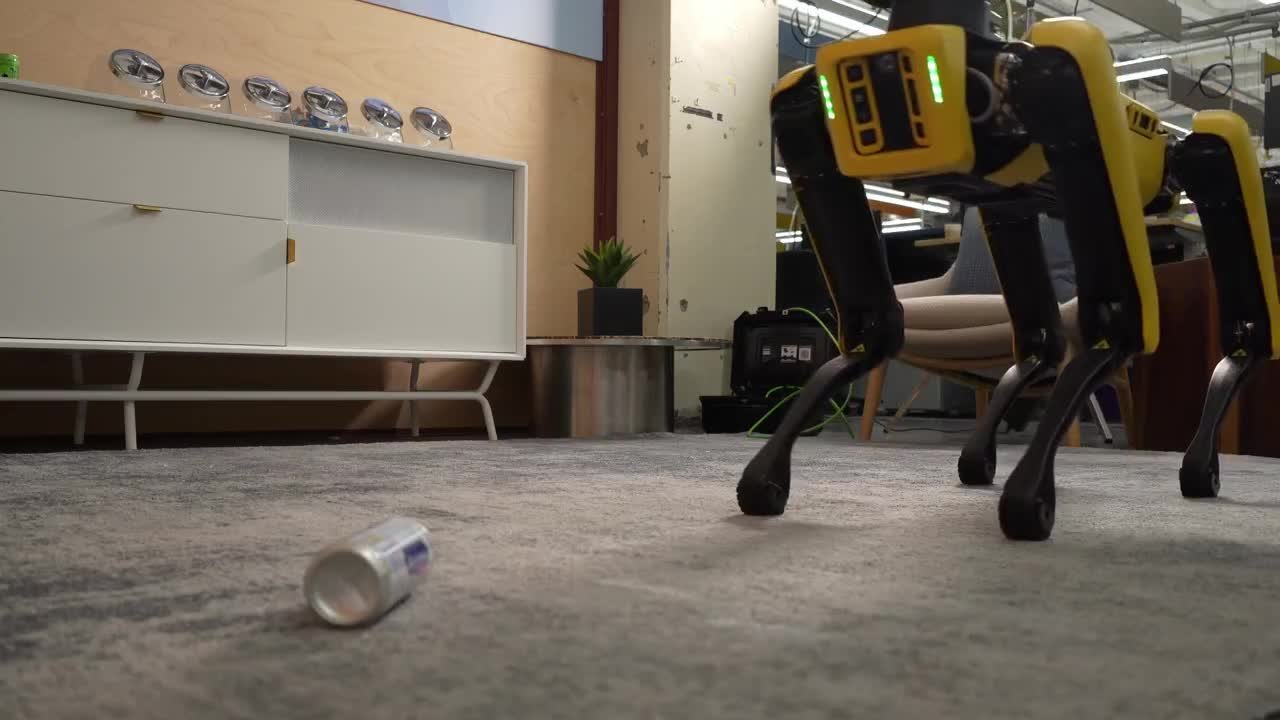
Researcher Sammy Azdoufal discovered Energize Lab's Eiliko robot stores 13 million conversations from 68,000 t…