What happened
Congress has enacted import bans on Chinese battery cells and components for Pentagon purchases, with enforcement starting October 1, 2027, and expanding to upstream materials from 2028 through 2031. The Pentagon's Drone Dominance push has ordered more than 22,000 systems, though fewer than 3,000 have shipped, signaling the bottleneck lies in battery supply rather than airframe manufacturing.
Why it matters
China controls roughly 75 to 85 percent of the world's cell manufacturing capacity while the United States holds about 5 percent, and China prices finished battery packs some 40 percent below U.S. prices. The author argues that battery manufacturing and supply chain resilience have become strategic issues because almost every drone—whether flown for civilian entertainment, infrastructure inspection, or defense—is ultimately a flying battery, and domestic manufacturers now face compliance deadlines without readily available alternatives.
What to watch
Drone OEMs accustomed to building on Chinese cells and running quality operations from spreadsheets must now scale production (some facing requirements of 4,000 units per year on NDAA-eligible aircraft) while proving provenance for every delivered battery. A working group was established by Congress to accelerate qualification of compliant materials, an implicit acknowledgment that testing, data, and documentation per design can take a year or more.
Summaries like this, in your inbox every morning.
Lithium-ion chemistry was invented in American and British laboratories and commercialized in Japan in 1991, but industrialization occurred in China while the U.S. congratulated itself on the invention. Over three decades of complacency, one country captured the supply chains that now underpin everything from smartphones to every drone that flew over American towns on Independence Day weekend. The consequences became apparent only when those drones started appearing in combat: Ukraine built more than four million drones last year and is on pace for five to six million this year, accounting for 75 to 85 percent of frontline casualties, while the United States deployed its own low-cost one-way attack drone, the LUCAS (roughly $35,000 apiece, reverse-engineered from Iran's Shahed design), doing work that would otherwise require $2.5 million(約4億円) Tomahawk missiles.
The Pentagon's bottleneck is not aircraft design but battery supply. More than 22,000 systems have been ordered under the Drone Dominance push, yet fewer than 3,000 have shipped—a clear signal that airframe manufacturing is no longer the limiting factor. Drone manufacturers accustomed to sourcing Chinese cells and managing quality through spreadsheets now face a dual challenge: they must scale production to 4,000 units per year or more while proving NDAA compliance and battery provenance for each delivered aircraft. Qualification of a replacement cell typically requires a year or more of testing, data, and documentation per design, which is why Congress embedded a working group in the statute itself to accelerate qualification of compliant materials. The author notes this is Congress's implicit admission of where the real bottleneck sits.
The good news, the author argues, is that the U.S. is being handed a second chance that industries almost never get: a real demand signal from the Pentagon, a statute with enforcement dates, and domestic and allied cell makers ready to grow into the gap. What remains is unglamorous work—building cell capacity, treating qualification as an engineering discipline rather than a paperwork tax, and maintaining traceability down to the battery lot for every aircraft delivered. The question for the next few years is not whether drones are good for the country (they employ about a hundred thousand Americans and are adding jobs in manufacturing towns and rural counties), but whether the U.S. will own the battery supply chains that power the drone century, or continue to rent them from the country it is trying to deter.
Pick your industry and the AI tools you use, and get news related to your work every day.
Free · 30 seconds with Google · unsubscribe anytimeWhat is AIToday? →
Ask AI anything about this article. The AI reads this article, earlier AIToday articles, and Wikipedia, and cites its sources. Q&As are published on this page for other readers too.
In an internal test, Google DeepMind robotics researchers instructed Gemini 4 Argon to watch a video of a huma…
Amulya Vishwanath, who spent seven years leading product marketing for Nvidia's robotics platforms, says robot…

Skild AI used Nvidia Isaac Sim to give its S1 model one objective — score a goal — and let it compete against…
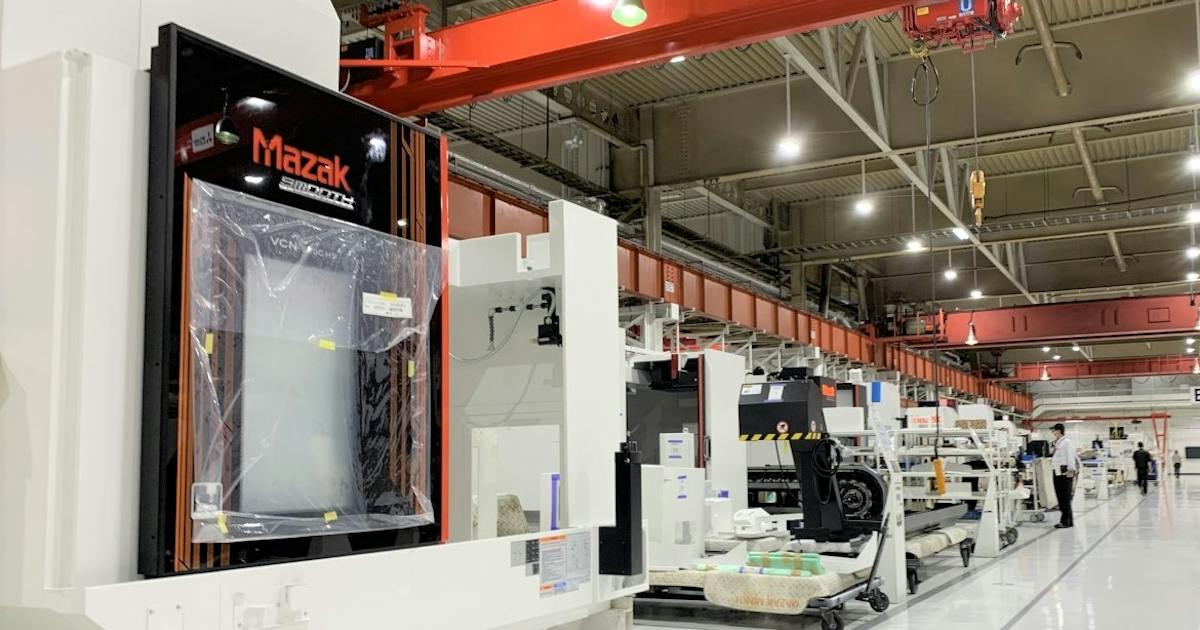
Yamazaki Mazak and ABEJA said on the 16th they will start joint development of physical AI, using ABEJA's ABEJ…
Toyota Motor's Japan Mobility Show Bizweek 2026 booth centers on its AI basketball robot CUE7, has no other ex…
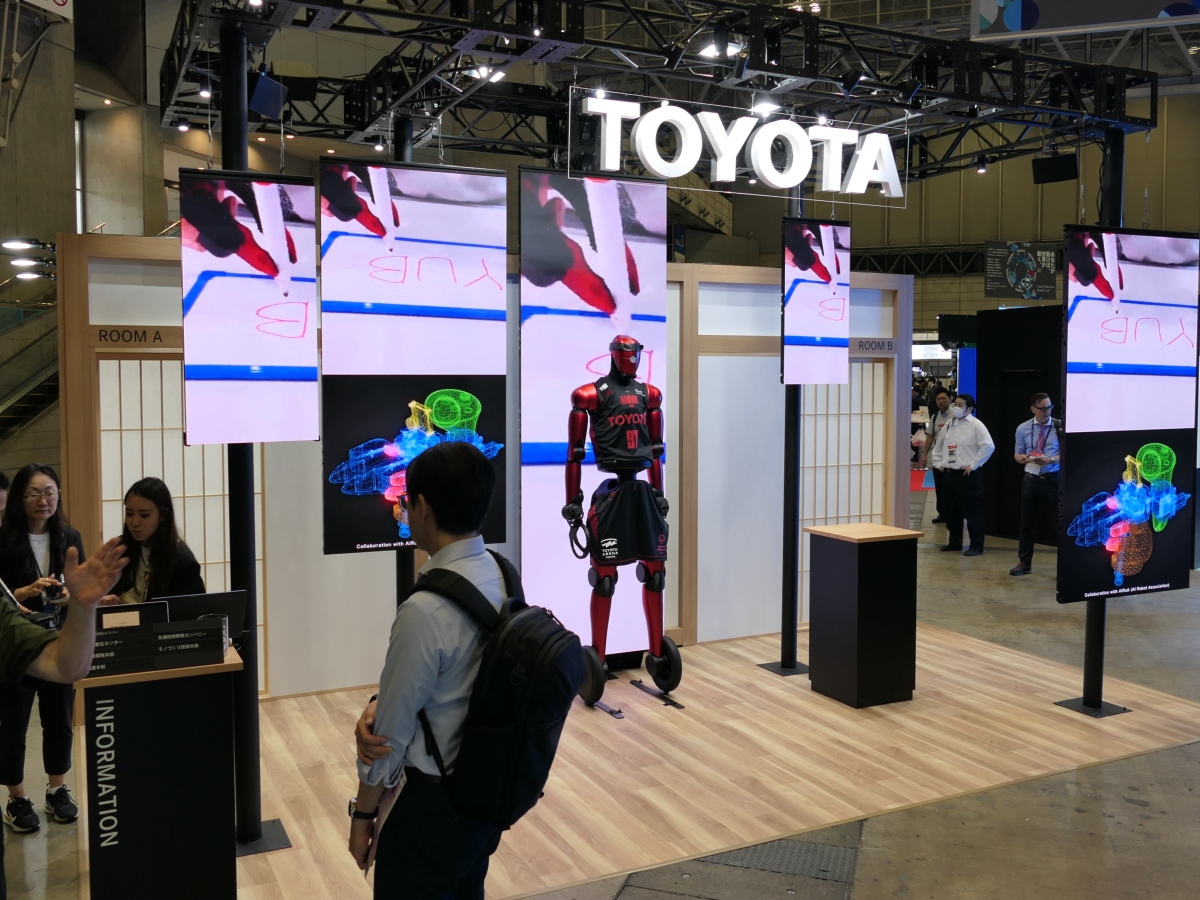
Japan Mobility Show Bizweek 2026 showcased Physical AI applications, including Toyota's basketball-playing rob…