
What happened
Oracle group VP Johnnie Konstantas told theCUBE that agentic AI lets agents and sub-agents act as a proxy for a person, carrying permissions into workflows, so customers are leaning in.
Why it matters
If an agent moves with a person's permissions, knowing where sensitive assets sit and where AI is built becomes an inventory problem, and identity has to be uniform and pervasive.
What to watch
Oracle ties its pitch to the latest version of its AI database, but Konstantas says the selling point starts with the customer's data, so the test is whether that framing holds.
WHO IT HITSSecurity operations teams and database administrators at large enterprises adopting agentic AI are the ones who now have to map where sensitive data lives and where agents inherit permissions. Identity and access-management staff may find their scope widens as agent permissions multiply.
Summaries like this, in your inbox every morning.
The framing Oracle's Johnnie Konstantas offers is a shift in where security teams start. Rather than beginning from a product, she says she starts customers with what's in it for them: what they are trying to accomplish and where their sensitive data sits. That order matters because the threat she describes is not a new attacker technique so much as a new path — an agent carrying a person's permissions into a workflow, with sub-agents branching off it.
That is also why theCUBE Research's analysis of the Black Hat USA cybersecurity conference comes up: the security industry is paying particular attention to AI agents and their growing role in enterprise operations. The inventory question Konstantas raises — where sensitive assets exist and where in the company AI is being built — is a precondition for any control, and it is the kind of thing that has to be answered before identity can be made uniform and pervasive.
Oracle's own answer is embedded in its security portfolio, including the latest version of its AI database. But because Konstantas frames the best solutions as based on a customer's data and how they want to secure it, the practical question for buyers may be less about which capabilities exist than whether their own data map is complete enough to use them.
For example, today's edition would include:
AI-summarized, only the topics you pick: one digest a day via Email, LINE, or Slack.
Free · 30 seconds with Google · unsubscribe anytimeWhat is AIToday? →
Ask AI anything about this article. The AI reads this article, earlier AIToday articles, and Wikipedia, and cites its sources. Q&As are published on this page for other readers too.
Qiagen has manually curated biomedical data for more than 25 years with over 150 MD- and PhD-level experts, Bh…
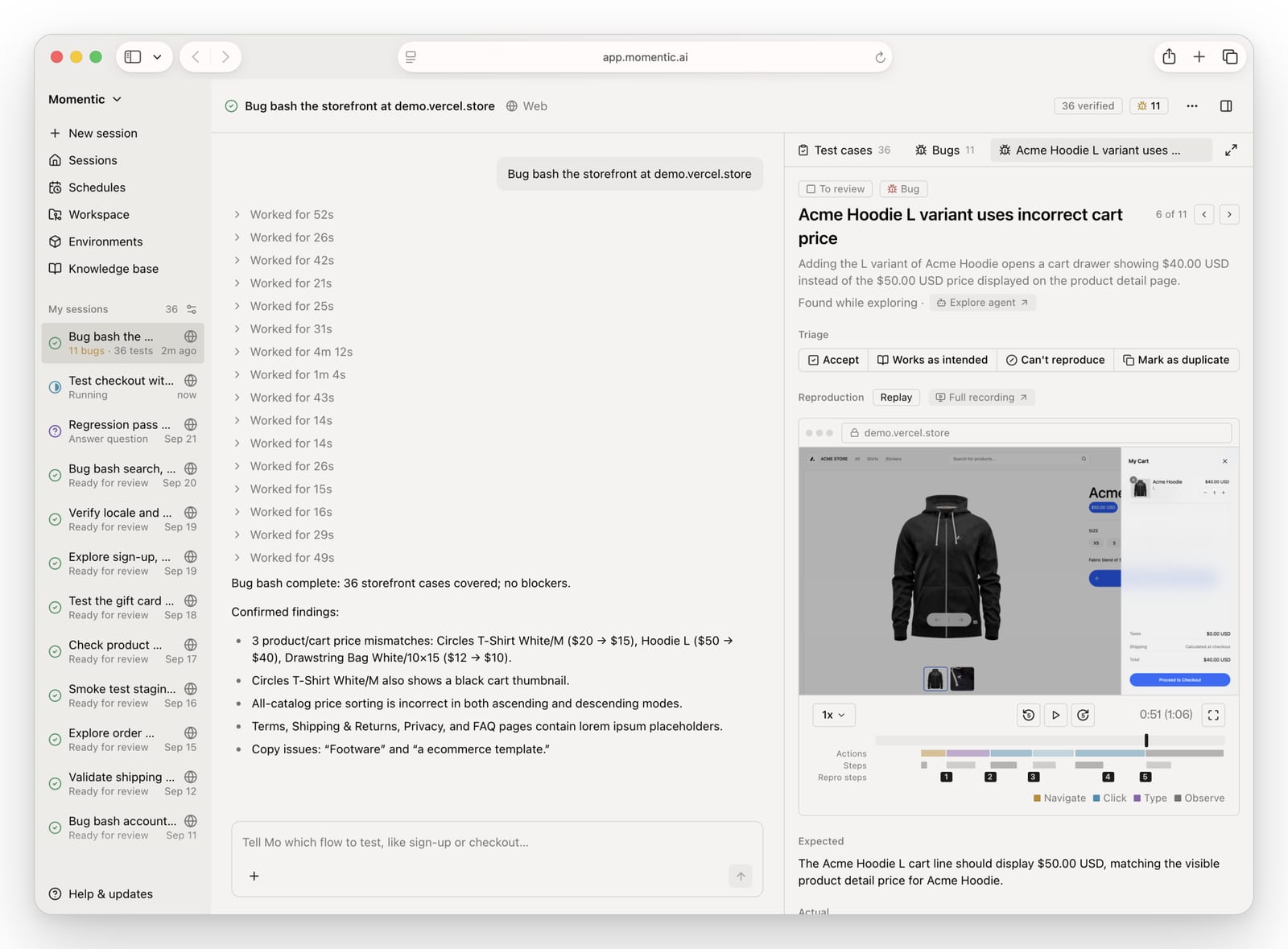
Momentic Inc. launched Mo, an AI agent that opens an app from a URL and prompt, spins up a swarm of agents to…
Anthropic launched Claude Sonnet 5.5, a mid-tier model for everyday tasks, priced at $2 per million input toke…

NEAR, the token of the NEAR Protocol, has more than doubled in value over the past two weeks, helped by surgin…
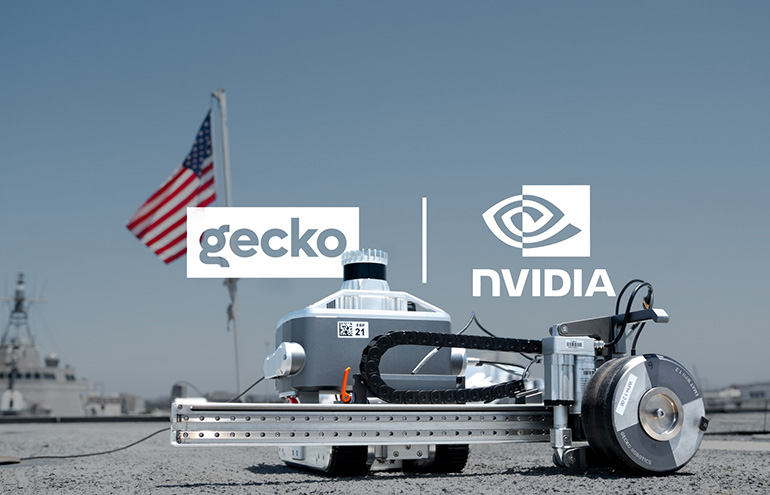
NVIDIA announced its Open Agent Safety Platform, made of the OpenShell open-source runtime and the Sentry refe…
Anthropic released Claude Sonnet 5.5, which it says runs output more than 30 percent faster and costs up to 30…