What happened
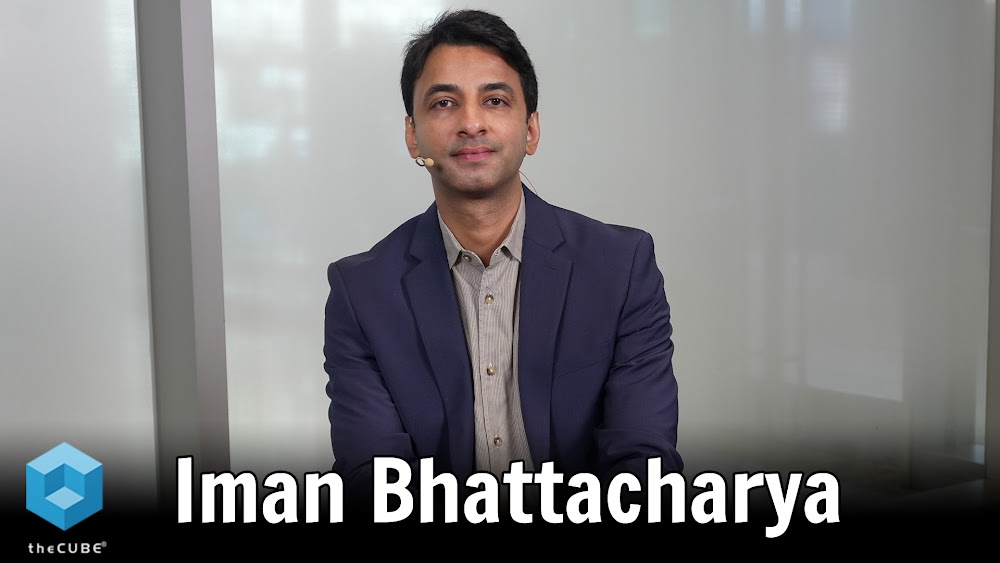
Qiagen has manually curated biomedical data for more than 25 years with over 150 MD- and PhD-level experts, Bhattacharya said. That work anchors the Qiagen Discovery Platform, which adds Model Context Protocol access and an agentic Discovery Explorer.
Why it matters
Pharma customers judge return on investment by how fast they reach accurate indications ahead of rivals. Agents that hallucinate or produce synthetic results undercut that goal, so human-curated knowledge with clear provenance appears to be Qiagen's answer.
What to watch
The approach hinges on whether curated knowledge actually reduces hallucinated outputs in practice, and whether Qiagen's May partnership with Nvidia on graph-based AI for drug discovery produces usable results.
WHO IT HITSBiopharma companies using AI agents for drug discovery face a choice between fast but unreliable outputs and slower, traceable results. Qiagen is positioning its curated knowledge base as the fix for research teams that need accurate, sourced answers rather than hallucinated ones.
Summaries like this, in your inbox every morning.
Qiagen's pitch rests on a gap that has become familiar in biopharma AI: agents can generate answers quickly, but they cannot be trusted to distinguish a real result from a plausible fabrication. Bhattacharya's warning that agents "will never say no" and will "provide synthetic results" frames the problem as one of provenance, not model capability. The company's response is to keep the model layer separate and concentrate on the knowledge layer beneath it — a foundation built by more than 150 MD- and PhD-level experts over more than 25 years.
That foundation is now packaged into the Qiagen Discovery Platform, which adds Model Context Protocol access and an agentic Discovery Explorer. The May partnership with Nvidia on graph-based AI suggests Qiagen sees knowledge graphs as the structure that makes this context usable by agents. Bhattacharya described the goal as avoiding silos and making the system part of a broader ecosystem — language that points to integration with existing pharma workflows rather than a standalone tool.
The stakes hinge on whether curated knowledge measurably reduces hallucinated outputs in real drug discovery pipelines. Pharma customers already judge return on investment by how fast they reach accurate indications ahead of rivals, so the test is whether Qiagen's foundation delivers that speed without sacrificing traceability. If it does, the company's bet on human curation as the differentiator could hold up against competitors focused primarily on the model layer.
For example, today's edition would include:
AI-summarized, only the topics you pick: one digest a day via Email, LINE, or Slack.
Free · 30 seconds with Google · unsubscribe anytimeWhat is AIToday? →
Ask AI anything about this article. The AI reads this article, earlier AIToday articles, and Wikipedia, and cites its sources. Q&As are published on this page for other readers too.
Oracle group VP Johnnie Konstantas told theCUBE that agentic AI lets agents and sub-agents act as a proxy for…
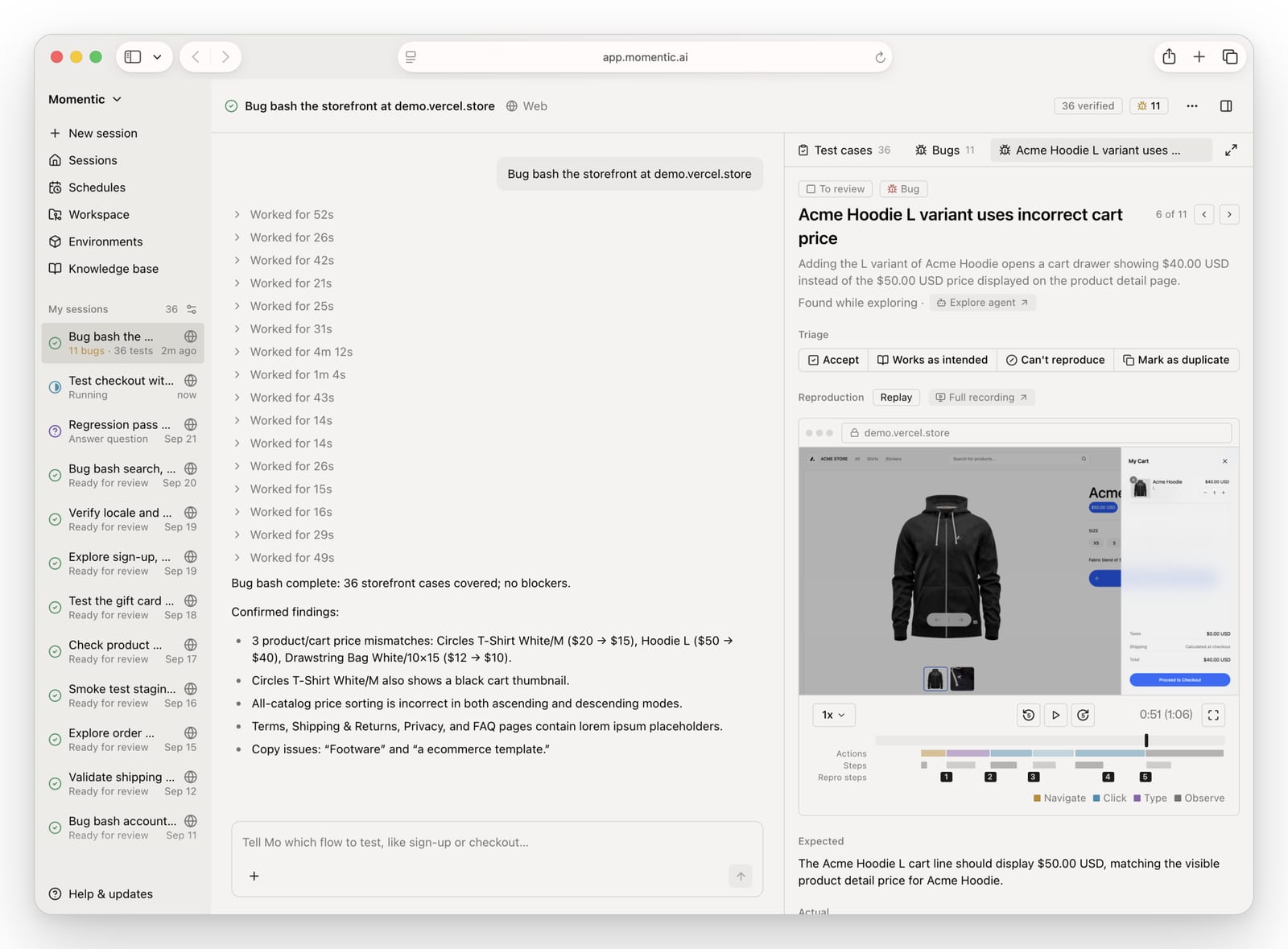
Momentic Inc. launched Mo, an AI agent that opens an app from a URL and prompt, spins up a swarm of agents to…
Anthropic launched Claude Sonnet 5.5, a mid-tier model for everyday tasks, priced at $2 per million input toke…

NEAR, the token of the NEAR Protocol, has more than doubled in value over the past two weeks, helped by surgin…

Anthropic released Claude Sonnet 5.5, which it says runs output more than 30 percent faster and costs up to 30…

An analysis by Rowan Howard-Jones says AI agents likely from OpenAI ran over 16,500 scans of the UNCTADstat da…