What happened
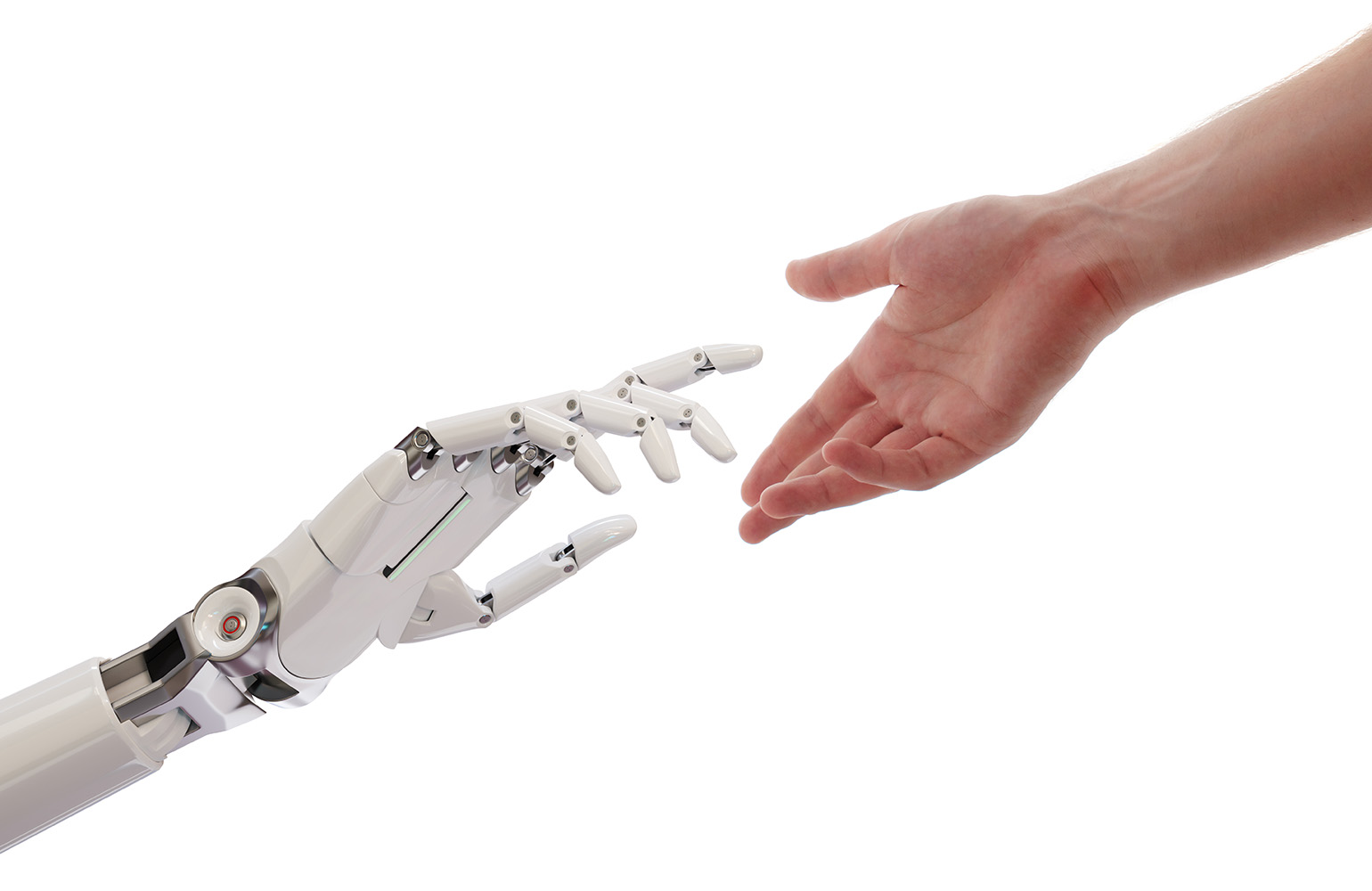
Researchers at Chinese institutions published a study in Advanced Science describing the BioflexBot, a robot gripper that replicates core hand motions—pinching, rotating, hooking, and grasping—using only a coiled spring, constraining shell, and basic pneumatic system with two inputs, rather than mimicking human hand anatomy.
Why it matters
Most robotic hands attempt to replicate the complex structure of human hands, which drives up hardware and control costs; the BioflexBot achieves comparable dexterity by mimicking function instead of form, suggesting that simpler designs can deliver high dexterity at extremely low costs for applications across industries, potentially including aeroengine inspection, humanoid robot integration, and laboratory tasks.
What to watch
The BioflexBot extended and contracted 3.5 times more than the human hand and could grasp objects up to almost 13 times bigger than similar systems; researchers plan to translate the prototype to a fully automated platform in future work.
Summaries like this, in your inbox every morning.
The BioflexBot research addresses a longstanding challenge in robotics: replicating human hand dexterity without replicating human hand complexity. Traditional robotic hands attempt to mirror the intricate anatomy of biological hands, which has historically resulted in systems that are expensive to manufacture and difficult to control. By contrast, the BioflexBot team—led by researchers from the Chinese University of Hong Kong, Shenzhen and Nanjing University of Information Science and Technology—pursued a functional approach: they identified the core motions a hand must perform (pinching, rotating, hooking, and grasping) and engineered a system that achieves those motions through minimal mechanical components: a coiled spring, a constraining shell, and pneumatic actuation with just two control inputs.
The validation experiments demonstrate that this minimalist design does not sacrifice performance. The BioflexBot reliably handled delicate laboratory and healthcare tasks (moving acupuncture needles, transporting liquids via pipette) while also exceeding human capabilities in extension, contraction, and load capacity. The device rotated a bottle cap nearly four times farther than a human hand could, and grasped objects up to 13 times larger than those comparable robotic systems could handle. These results suggest that biomimicry in robotics need not be anatomically faithful to be functionally superior. The researchers frame their findings as evidence that high dexterity can be achieved at low cost—a proposition that could reshape how roboticists approach gripper design for humanoid robots, industrial automation, and specialized inspection tasks in confined or hazardous environments.
Pick your industry and the AI tools you use, and get news related to your work every day.
Free · 30 seconds with Google · unsubscribe anytimeWhat is AIToday? →
Ask AI anything about this article. The AI reads this article, earlier AIToday articles, and Wikipedia, and cites its sources. Q&As are published on this page for other readers too.
Skild AI used Nvidia Isaac Sim to give its S1 model one objective — score a goal — and let it compete against…
Yamazaki Mazak and ABEJA said on the 16th they will start joint development of physical AI, using ABEJA's ABEJ…
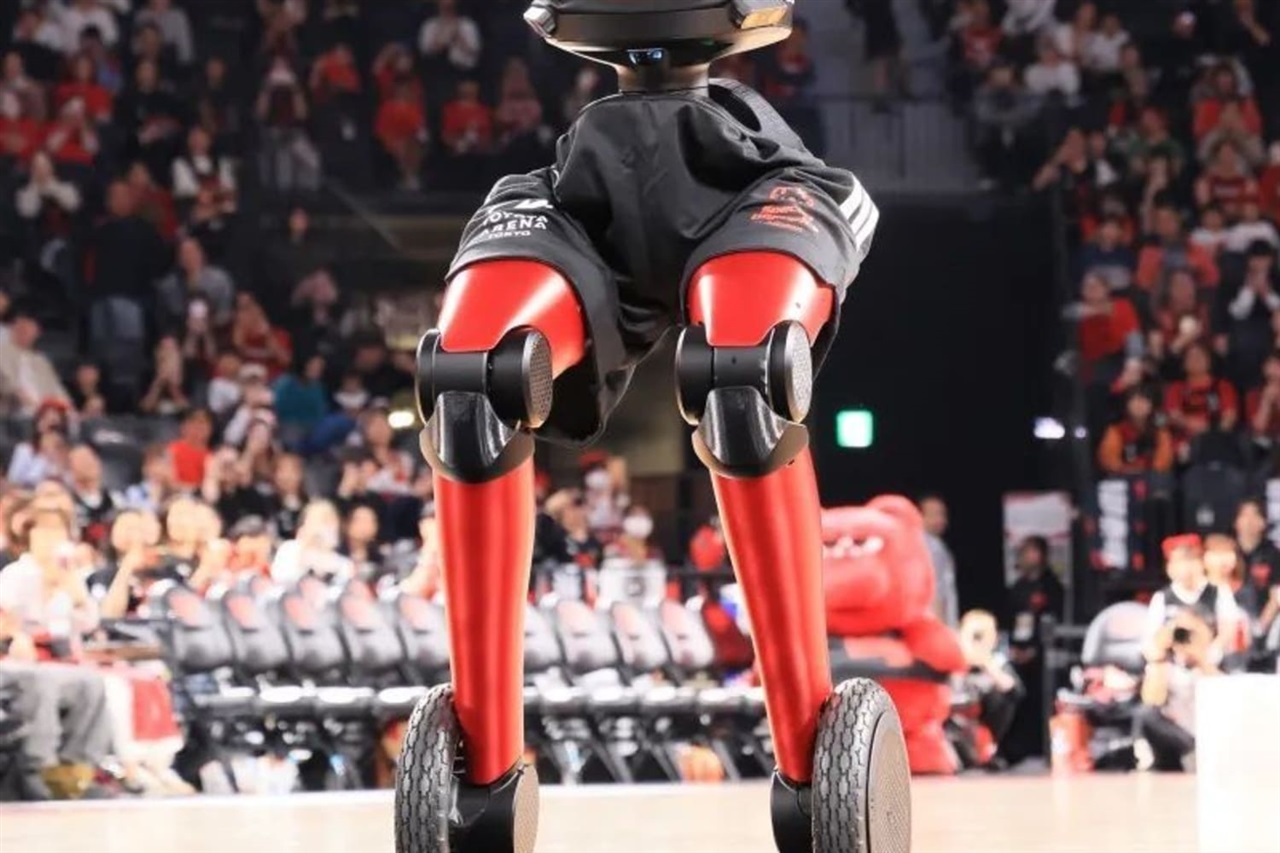
Toyota Motor's Japan Mobility Show Bizweek 2026 booth centers on its AI basketball robot CUE7, has no other ex…
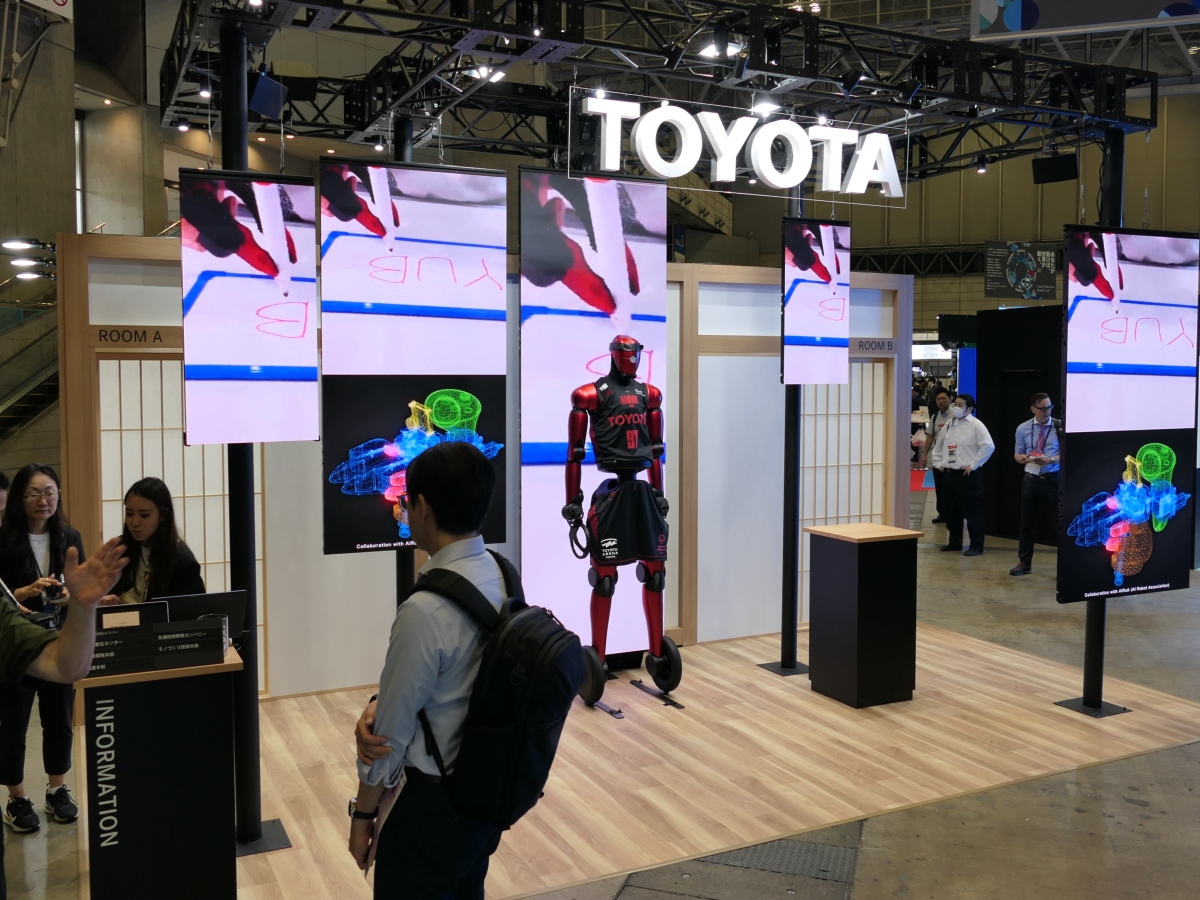
Japan Mobility Show Bizweek 2026 showcased Physical AI applications, including Toyota's basketball-playing rob…
Google pitched Gemini 4 Argon as one model for robot control, simulation and training-data review, saying it s…
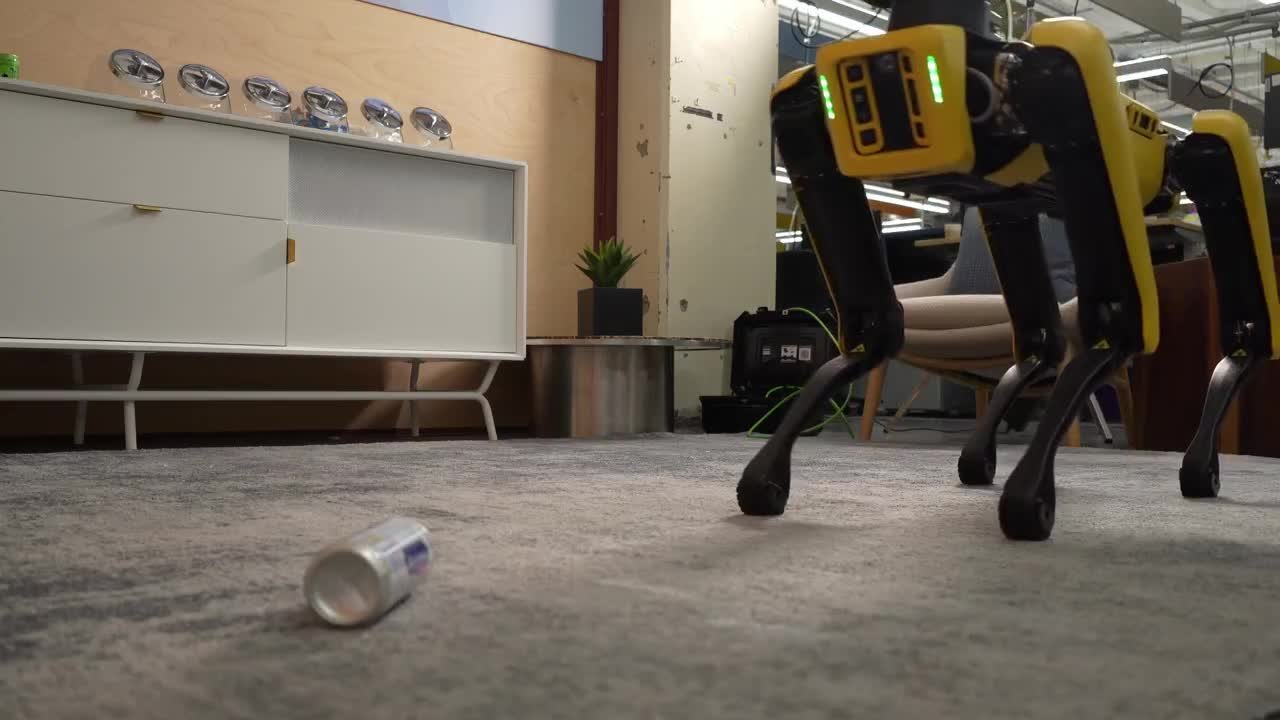
Researcher Sammy Azdoufal discovered Energize Lab's Eiliko robot stores 13 million conversations from 68,000 t…