What happened
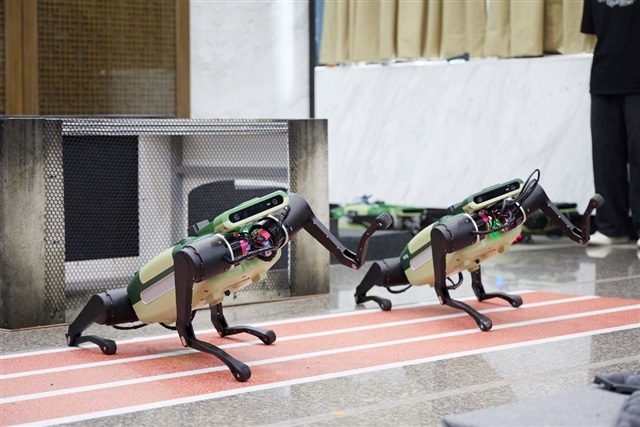
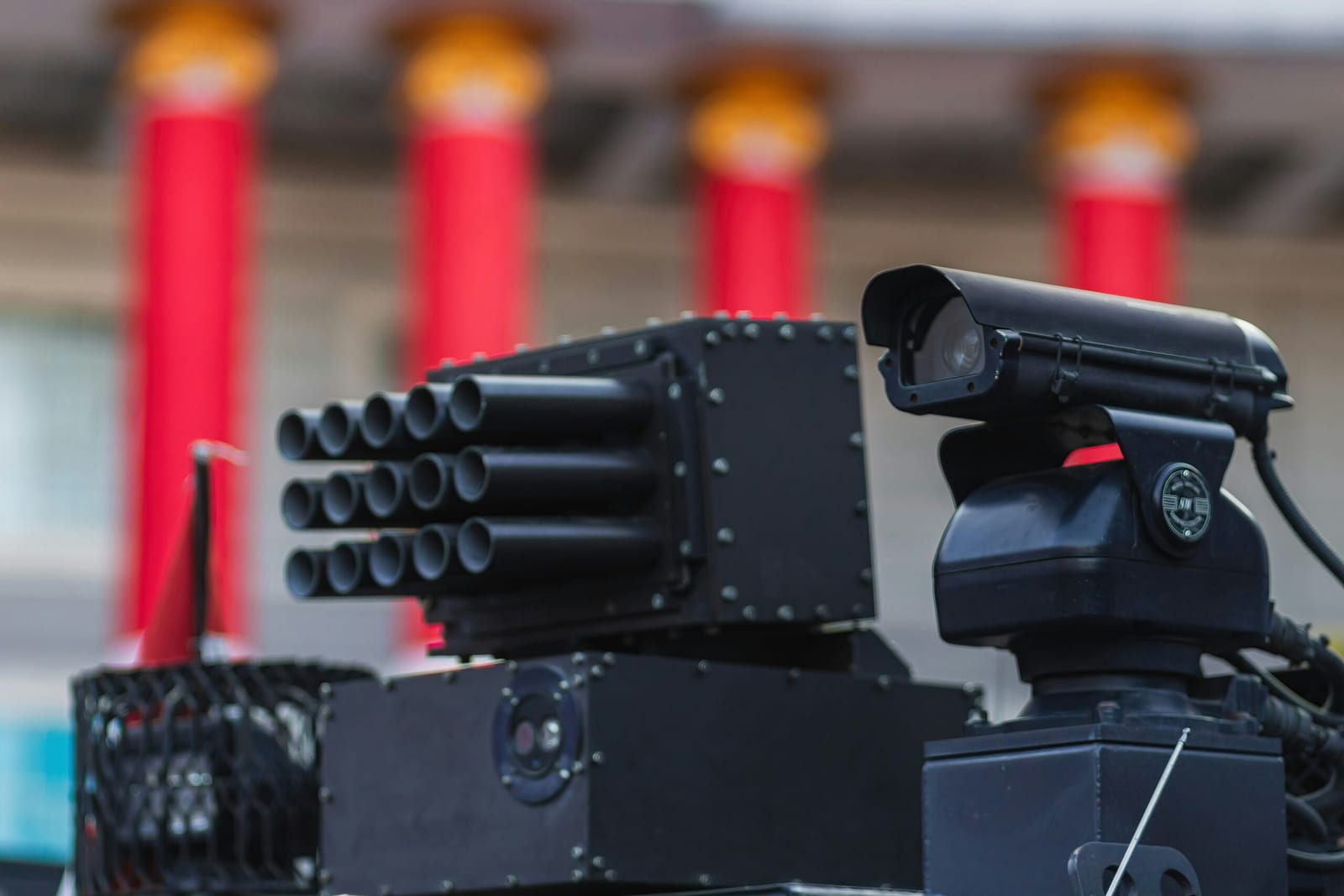
In his column, Charlie Burgess points to Foxlink's "robot dog" presented at GTC Taipei 2025, which uses smart sensors and physical AI to patrol areas and flag anomalies. He cites over $23 billion invested in 2026 in companies combining robotics and AI.
Why it matters
Burgess argues such robots can shift security from reacting to incidents to preventing them, addressing risks across cyber-physical convergence, legacy constraints, and global volatility.
What to watch
The case rests on one example — Foxlink's robot — so real-world traction in hospitals, malls, and campuses is the test. Burgess notes the Jaguar Land Rover breach cost the British economy an estimated $2.5 billion.
WHO IT HITSEnterprise security teams and emergency responders in critical industries such as data centers and manufacturing are the intended beneficiaries, per Burgess, as these groups face cyber-physical risks to assets. Robotics and AI vendors in the physical security space are also positioned to supply such systems.
Summaries like this, in your inbox every morning.
Burgess frames the opportunity around three risk categories: cyber-physical convergence, legacy constraints, and global volatility. Connected cameras, access control, and sensors can create new vulnerabilities if a central platform is attacked, as the Jaguar Land Rover case illustrates, where stolen credentials and social engineering allegedly by state-sponsored actors halted production. Older hardware and software, he argues, leave personnel reacting rather than preventing.
Against that backdrop, the column points to GTC Taipei 2025, where robotics and physical AI companies outlined a responsible, real-world deployment strategy. Foxlink's quadruped robot, with smart sensors and physical AI, is presented as one such asset, useful for enterprise security and emergency response. Burgess also suggests LLMs and generative AI could help security teams interpret video, access-control, and sensor data, surfacing patterns for human review.
The stakes hinge on whether these systems deliver on their scalable, proactive promise beyond a single example. Burgess notes they are already active in hospitals, shopping malls, and education campuses worldwide, suggesting the near-term test is whether such deployments spread into critical infrastructure like data centers and manufacturing plants.
Pick your industry and the AI tools you use, and get news related to your work every day.
Free · 30 seconds with Google · unsubscribe anytimeWhat is AIToday? →
Ask AI anything about this article. The AI reads this article, earlier AIToday articles, and Wikipedia, and cites its sources. Q&As are published on this page for other readers too.
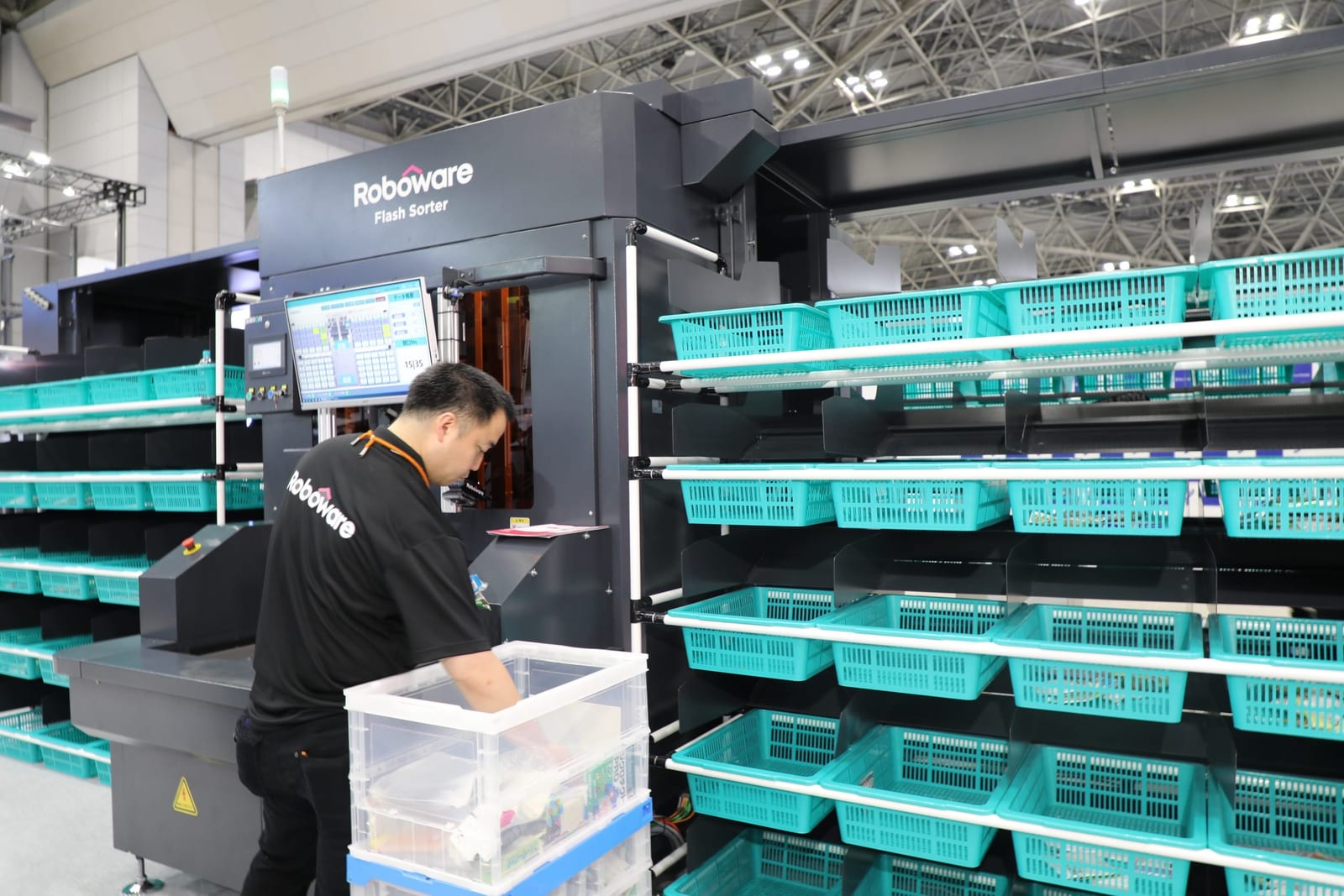
Chinese logistics robots are spreading in Japan, and Toyota, Komatsu and others have adopted them, with the la…
Daiwa House's corporate venture capital arm invested in Persona AI, a US company developing industrial humanoi…

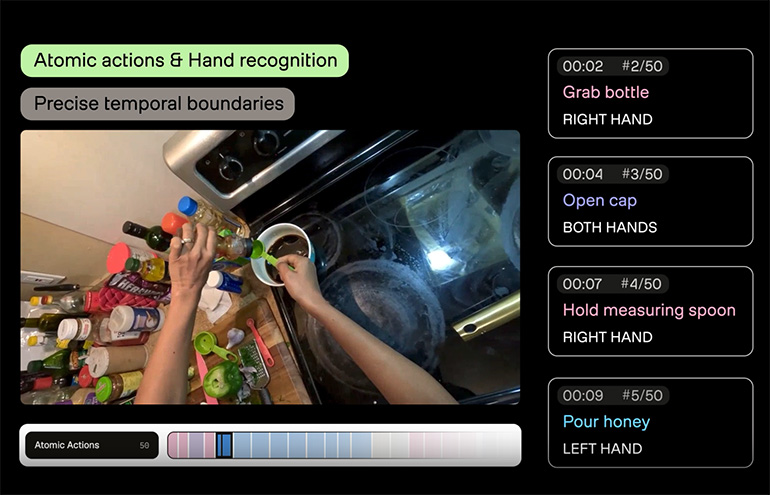
TwelveLabs released Pegasus 1.6, which it says is its first model built for egocentric video
Research from The University of Texas at Austin, led by Rohan Ghuge, found an autonomous vehicle can get most…
A team led by PhAI Labs, with collaborators from Stanford, Oxford, and Princeton, introduced JEPA-Anything, bu…

ITRI said robotics is shifting from traditional automation equipment into a productivity tool for every indust…