What happened
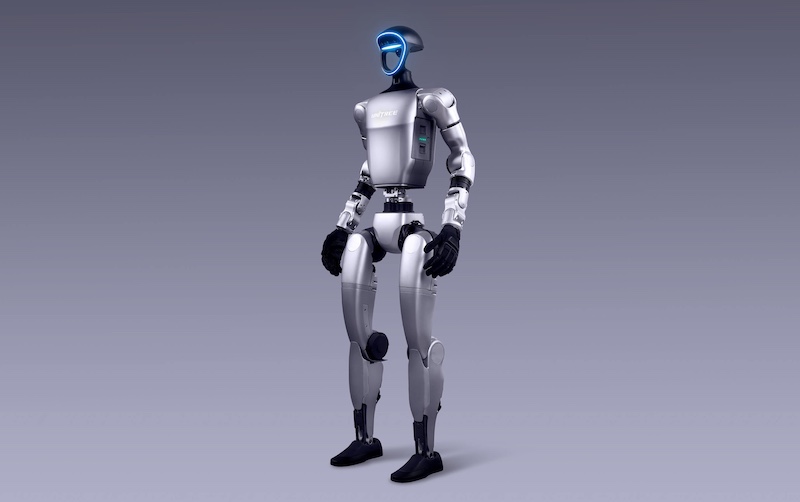
Chinese robotics maker Unitree expects first-half 2026 revenue of about CNY1.1 billion ($156 million), up 35.6–45.4 percent year-on-year, ahead of its planned Shanghai IPO later this month. Reuters reports the company is expected to be valued at more than 50 billion yuan ($7.4 billion) following the listing and plans to raise about 4.2 billion yuan for research, development, and production.
Why it matters
Unitree ranks #2 globally by humanoid robot installations in 2025 (behind AgiBot), and the revenue surge reflects accelerating demand for humanoid robots and embodied AI. However, the US Federal Communications Commission recently restricted future foreign-produced advanced robotic devices from obtaining equipment authorizations generally required for US sales—a move Unitree warned in its IPO filing could affect future access to the US market, which has accounted for a significant share of its overseas revenue.
What to watch
The Shanghai IPO timing (later this month) and whether regulatory headwinds in the US slow international expansion for one of the world's largest humanoid robot manufacturers.
Summaries like this, in your inbox every morning.
Unitree's projected 35.6–45.4 percent growth reflects the sustained momentum in humanoid robotics and embodied AI (physical systems that combine AI with robotic hardware). The company's rise to #2 global ranking by humanoid robot installations in 2025, behind only fellow Chinese competitor AgiBot, underscores how quickly Chinese robotics firms have scaled. The timing of the Shanghai IPO—expected to value Unitree at more than 50 billion yuan ($7.4 billion)—coincides with this growth surge and signals investor confidence in the sector.
Yet the article reveals a critical tension: while Unitree thrives domestically and has built material overseas revenue, particularly in the US, the Federal Communications Commission's recent restriction on foreign-produced advanced robotic devices poses a structural headwind. By adding such devices to its Covered List and blocking future equipment authorizations, the US has effectively raised the regulatory bar for international sales. Unitree's own IPO filing explicitly flagged this risk, acknowledging that US market access—a significant share of overseas revenue—may face future constraints. This dynamic suggests that strong domestic growth may mask emerging limits on Western expansion for the company.
Pick your industry and the AI tools you use, and get news related to your work every day.
Free · 30 seconds with Google · unsubscribe anytimeWhat is AIToday? →
Ask AI anything about this article. The AI reads this article, earlier AIToday articles, and Wikipedia, and cites its sources. Q&As are published on this page for other readers too.
Skild AI used Nvidia Isaac Sim to give its S1 model one objective — score a goal — and let it compete against…
Yamazaki Mazak and ABEJA said on the 16th they will start joint development of physical AI, using ABEJA's ABEJ…
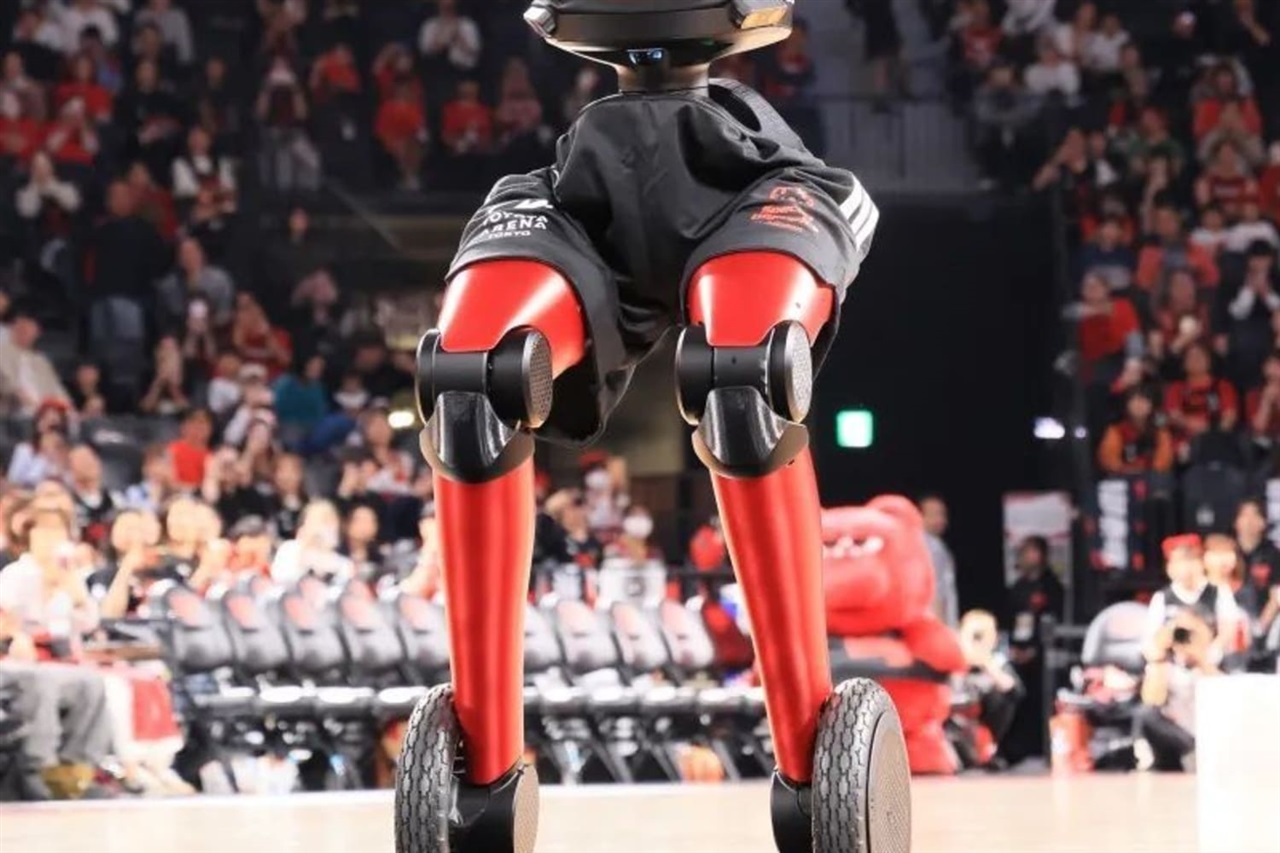
Toyota Motor's Japan Mobility Show Bizweek 2026 booth centers on its AI basketball robot CUE7, has no other ex…
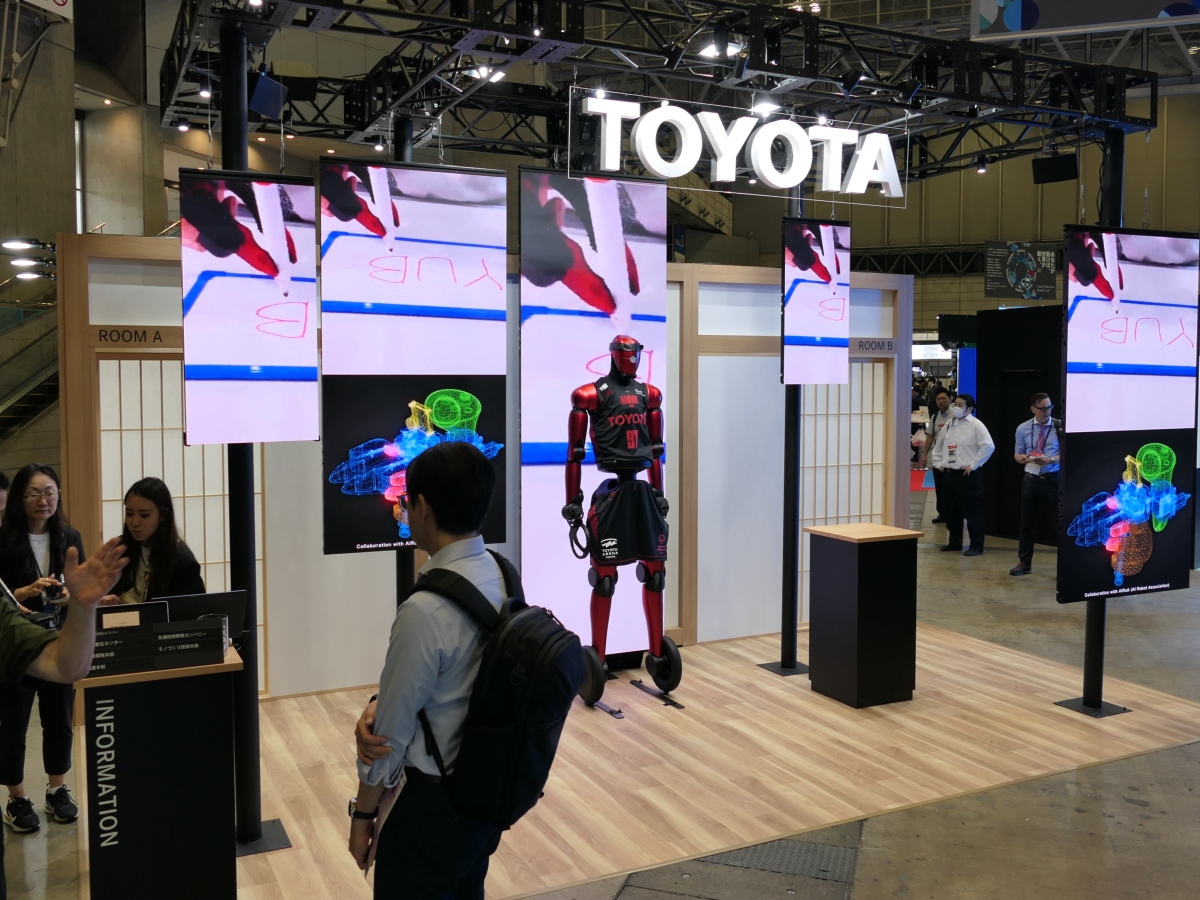
Japan Mobility Show Bizweek 2026 showcased Physical AI applications, including Toyota's basketball-playing rob…
Google pitched Gemini 4 Argon as one model for robot control, simulation and training-data review, saying it s…
Researcher Sammy Azdoufal discovered Energize Lab's Eiliko robot stores 13 million conversations from 68,000 t…