What happened
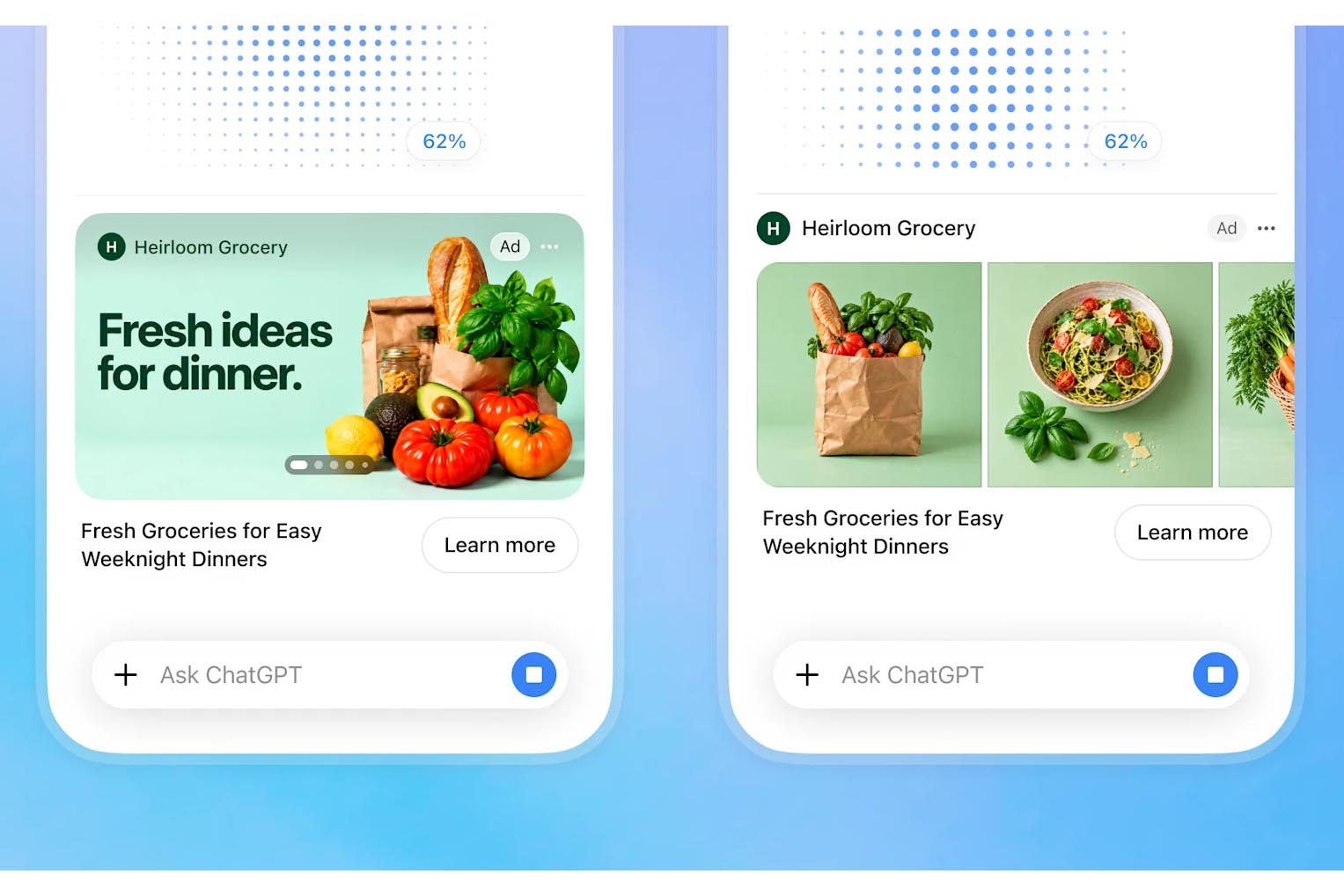
OpenAI is launching a test later this month of display ads that appear below the image ChatGPT is generating, shown as a carousel or row of product images, with an initial group of advertisers.
Why it matters
OpenAI is adding a paid surface to the images users make in ChatGPT, and is building measurement and brand-safety tooling alongside it. For advertisers, the loading screen becomes inventory they can buy and measure.
What to watch
The test's scope hinges on whether the initial advertisers and the measurement partners prove the format works without touching real user conversations. Watch the $100 billion ad-revenue target by 2030 as the yardstick.
WHO IT HITSAdvertisers and ad agencies planning ChatGPT campaigns gain a new image-generation placement plus conversion and attribution integrations, while brand-safety teams at those advertisers get pilot evaluation programs to vet the environment. OpenAI's own ad-sales and measurement partners are affected as well.
Summaries like this, in your inbox every morning.
OpenAI has been running ads in ChatGPT since February and now operates them in more than 40 countries, with an annualized revenue run rate of $1 billion from ads alone. The image-generation loading screen is the latest surface it is opening to advertisers, and the test is set to start later this month with an initial group of advertisers. Alongside the placement itself, OpenAI is assembling the plumbing advertisers expect: conversion data through Hightouch, Tealium, and LiveRamp; attribution from AppsFlyer, Adjust, and Branch; geo-based experiments through Haus, Measured, and WorkMagic; and brand-safety pilots with DoubleVerify and Integral Ad Science that evaluate the ad environment without accessing real user conversations. Select advertisers can also set negative keywords to keep their ads out of unsuitable conversations.
The context is scale versus monetization. According to OpenAI, ChatGPT reaches 1.2 billion people weekly, but earlier this year only about 5 percent of users were paying for a subscription — a gap that helps explain why the company has set a target of $100 billion in ad revenue by 2030. The new format is a way to convert some of that free-user attention into ad dollars without charging for the chatbot itself, and the measurement and safety partners suggest OpenAI is trying to convince brands the environment is accountable.
What the outcome hinges on is whether the loading-screen format and the measurement stack convince the initial advertisers to scale their spend, and whether the brand-safety pilots hold up without access to real conversations. For buyers of ChatGPT ads, the test is a small but concrete signal that the platform intends to become a measurable channel rather than an experiment — though how quickly that happens remains to be seen.
Pick your industry and the AI tools you use, and get news related to your work every day.
Free · 30 seconds with Google · unsubscribe anytimeWhat is AIToday? →
Ask AI anything about this article. The AI reads this article, earlier AIToday articles, and Wikipedia, and cites its sources. Q&As are published on this page for other readers too.
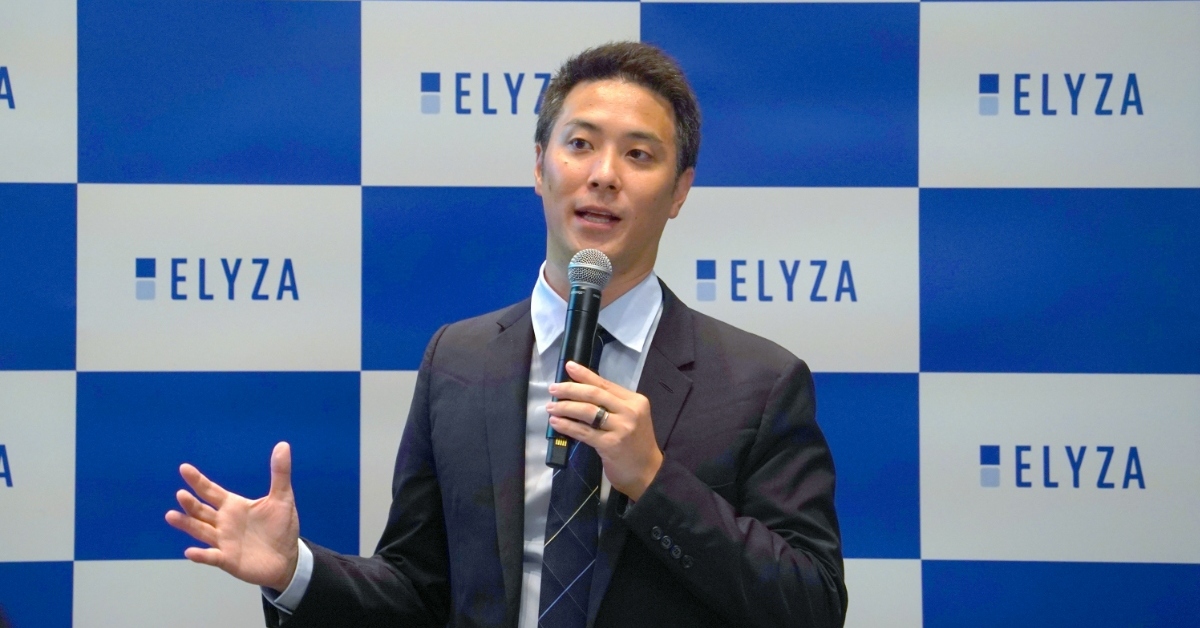
KDDI's ELYZA said on October 2 it set up "ELYZA RSI Research" to study recursive self-improvement, and CEO Yuy…
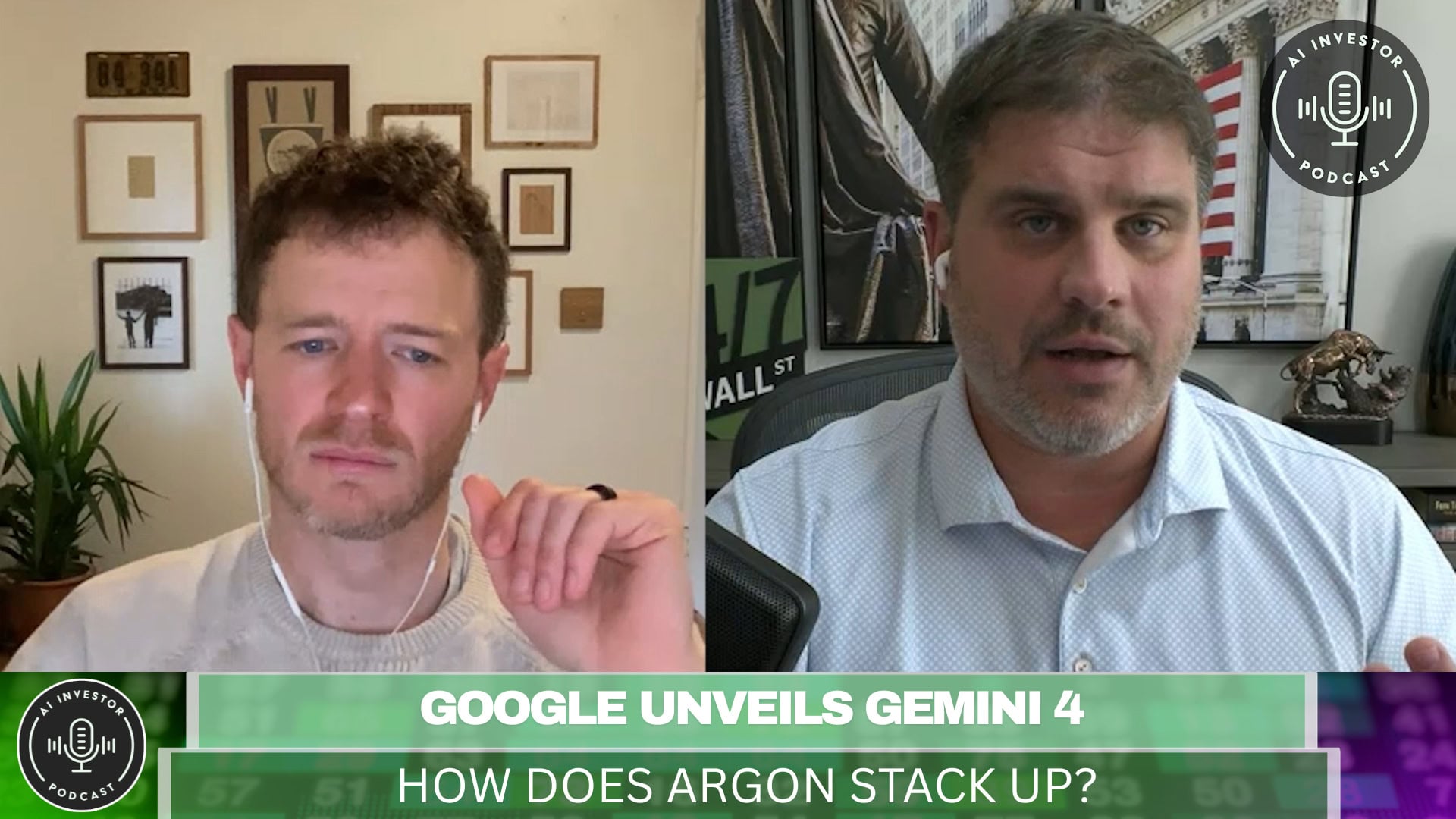
On a recent episode of The AI Investor Podcast, Eric Bleeker and Austin Smith broke down Google's release of G…
Meta has begun offering parental controls in Meta AI, so parents can review the topics their teens asked about…

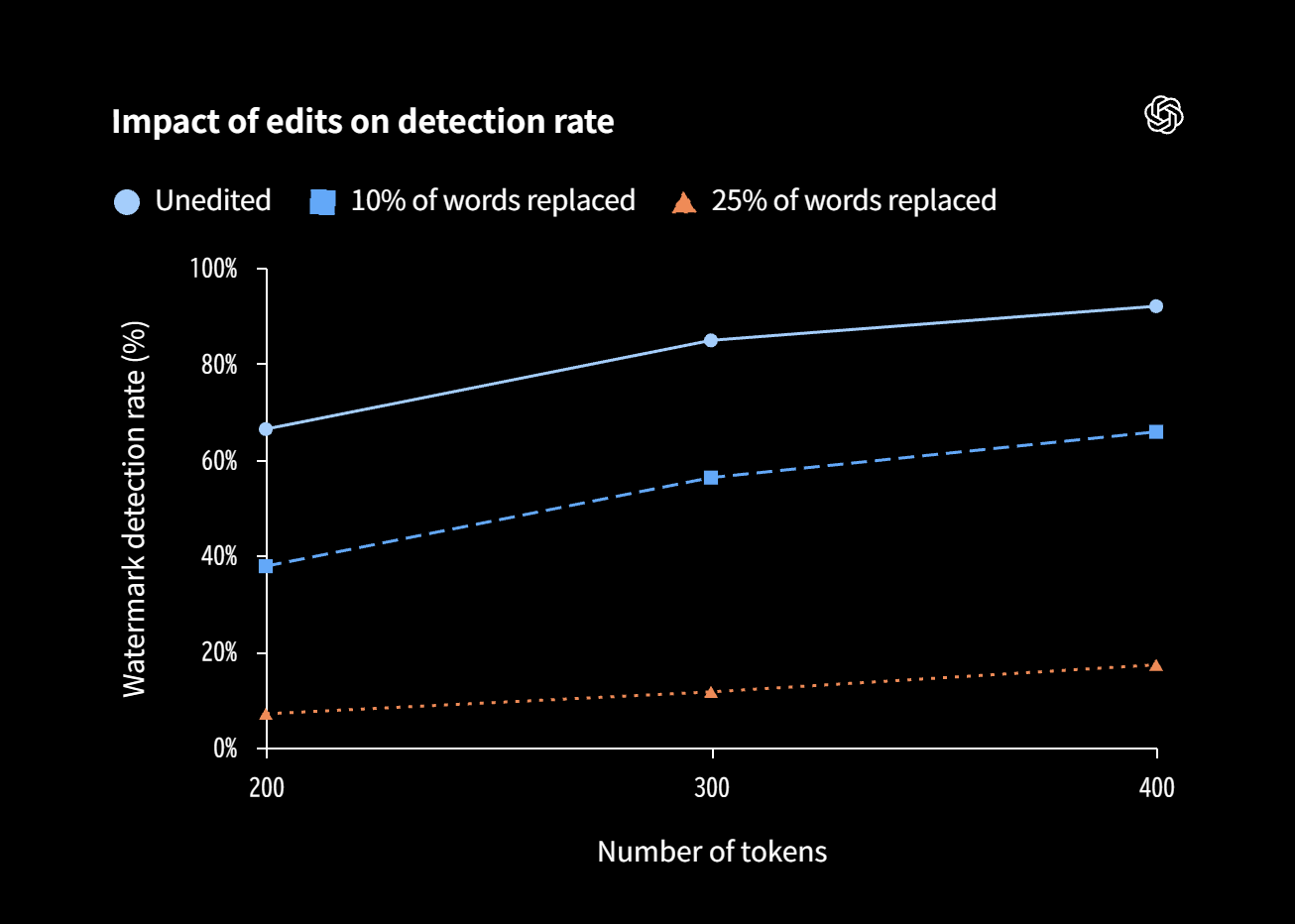
OpenAI is adding the textGrain watermark to text from ChatGPT and Codex, applying it to EU outputs over the co…
OpenAI is rolling out a new visual ad format shown while ChatGPT generates images, and will test it with selec…
DeepMind's 2022 study found that at equal compute, balancing model size and data beats pure bigness: a 70 bill…