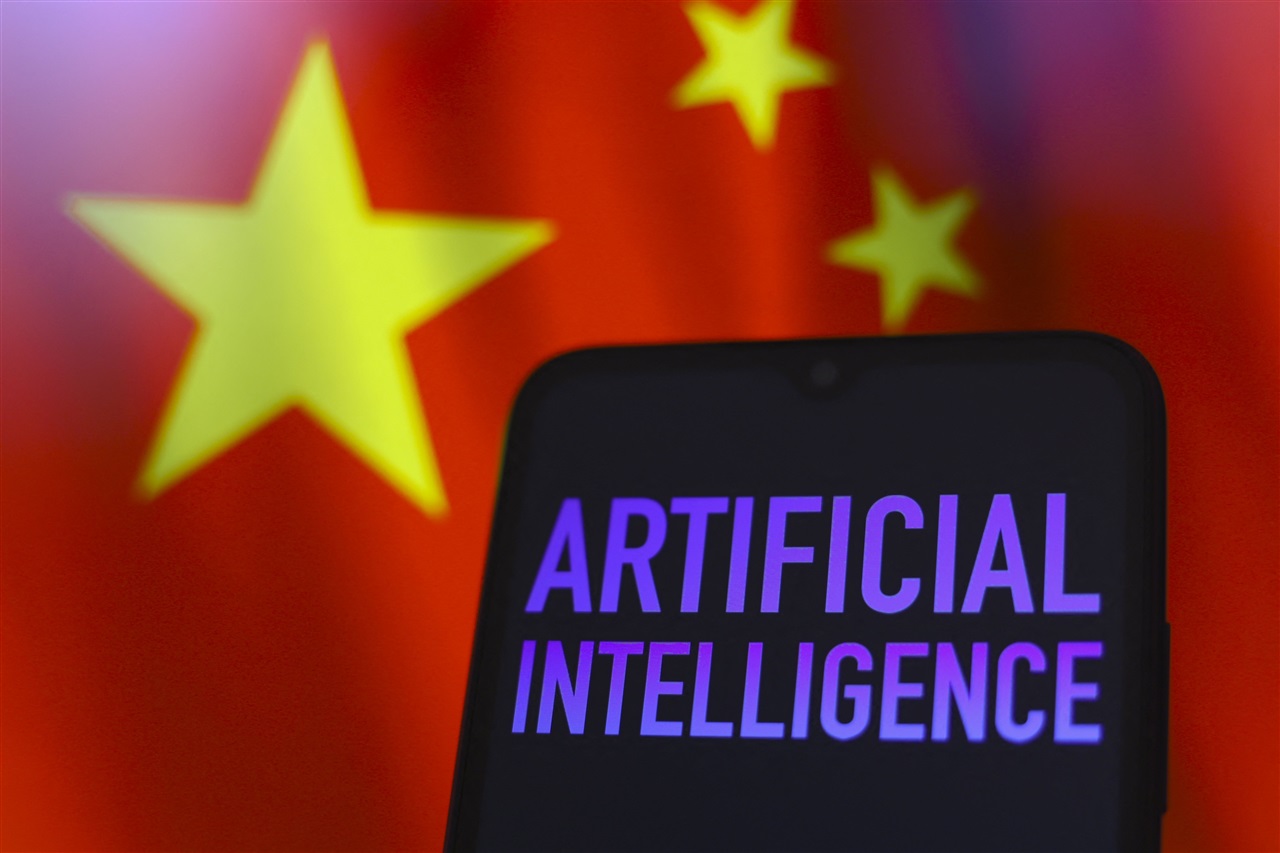
At the 2026 World AI Conference in Shanghai, China unveiled two major AI initiatives: one focused on standardizing how AI agents collaborate with each other, and another laying the groundwork for space-based computing infrastructure. These moves underscore China's push to shape global AI standards and build next-generation computing capacity.
Summaries like this, in your inbox every morning.
Sign up free →What happened
China announced two major AI initiatives at the 2026 World AI Conference (WAIC) in Shanghai, including efforts to standardize AI agent collaboration and the groundwork for space-based computing infrastructure.
Why it matters
Standardizing how AI agents work together could unlock interoperability across systems, reducing vendor lock-in and enabling more seamless AI workflows for businesses. The space computing initiative signals China's intent to build computing capacity beyond Earth, potentially reshaping the infrastructure landscape for AI workloads.
What to watch
The specific technical standards and timeline for implementing agent interoperability, as well as the scope and timeline for the space computing program—details that will clarify how quickly these initiatives translate into real-world impact.
At the 2026 World AI Conference held in Shanghai, China unveiled two major AI initiatives aimed at reshaping how AI systems operate and where computing happens. The first initiative focuses on standardizing AI agent collaboration, seeking to establish common frameworks that would allow different AI agents—whether built by different companies or in different sectors—to work together seamlessly. The second initiative lays the groundwork for space-based computing infrastructure, indicating ambitions to expand AI computational capacity beyond Earth-based data centers. Both announcements underscore China's determination to play a central role in defining the technical standards and infrastructure foundations of the global AI ecosystem.
China's announcement of AI agent interoperability standards reflects a broader effort to move beyond siloed AI systems. By defining common protocols for how AI agents communicate and work together, China aims to reduce friction in AI adoption across enterprises and potentially establish itself as a standards-setter in the global AI economy. The parallel push into space computing signals longer-term infrastructure ambitions, suggesting China views computational capacity as a strategic resource that should transcend traditional terrestrial constraints.
AI-summarized, only the topics you pick — one digest a day via Email, Slack, or Discord.
Free · takes 30 seconds · unsubscribe anytime
No comments yet. Be the first to share your thoughts!
Log in to join the discussion


Get curated AI news from 200+ sources delivered daily to your inbox. Free to use.
Get Started FreeFree · takes 30 seconds · unsubscribe anytime
1 minute a day. The AI essentials.
200+ sources · Email / LINE / Slack
