Alphabet's stock jumped about 3% on Monday after the company disclosed it is developing a next-generation AI server chip, code-named "Frozen v2," that could deliver six to 10 times more AI tokens at the same power consumption as current chips. The company targets deployment as early as 2028 and aims to ease infrastructure demands and reduce costs as it scales its Gemini AI models amid rising competition among major tech firms.
Summaries like this, in your inbox every morning.
Sign up free →What happened
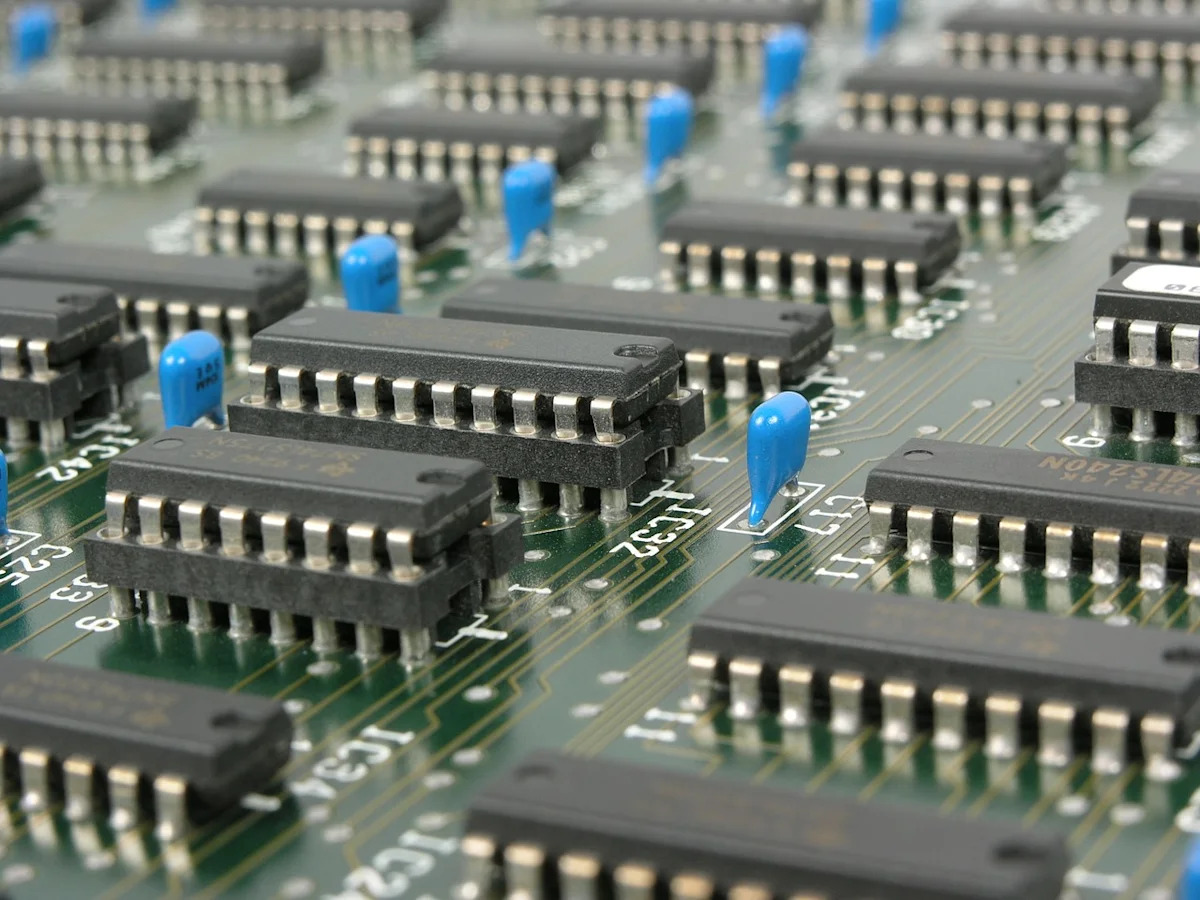
Alphabet shares rose about 3% on Monday after reports emerged that the company is developing a next-generation AI server chip code-named "Frozen v2," designed to deliver six to 10 times more AI tokens while consuming the same amount of power as current tensor processing units. Deployment is targeted as early as 2028.
Why it matters
The custom processor aims to reduce the energy and cost demands of training and running advanced AI applications, which is critical as Alphabet scales its Gemini AI models. A more efficient chip strengthens the company's in-house AI computing capability and reduces reliance on third-party hardware at a time when large technology companies are competing intensely over generative AI systems.
What to watch
The chip's actual deployment timeline and whether it achieves the projected six to 10 times performance gain per unit of energy. This is a key test of Alphabet's strategy to build proprietary infrastructure that supports its long-term AI ambitions.
Alphabet announced it is developing a next-generation artificial intelligence server chip code-named "Frozen v2," designed to substantially improve the efficiency of its AI infrastructure. The chip is expected to deliver six to 10 times more AI tokens while consuming the same amount of power as Google's current tensor processing units. The company is targeting deployment of the chip as early as 2028.
The initiative addresses growing infrastructure demands tied to large AI models and is intended to reduce both the cost and energy required to train and run advanced AI applications. By developing custom processors, Alphabet aims to expand its in-house AI computing capabilities and lessen its reliance on third-party hardware. A more efficient server chip is also intended to strengthen the company's Gemini platform—its large language model (AI system that understands and generates text)—amid intensifying competition among major technology companies developing generative AI systems.
News of the chip development sparked investor optimism: Alphabet shares rose about 3% on Monday following the report. The market reaction reflects confidence that continued investment in proprietary AI infrastructure could support the company's long-term artificial intelligence ambitions. The effort is consistent with Alphabet's broader strategy of investing heavily in custom silicon to support its AI strategy and gain greater control over its computing costs and capabilities.
Alphabet's push into custom silicon reflects a broader strategy among hyperscalers (large cloud and AI companies) to build proprietary infrastructure that gives them competitive advantage and cost control. The body notes that the company has been investing heavily in custom silicon to support its AI strategy; the "Frozen v2" chip represents a next phase of that effort, specifically targeting efficiency gains in token generation—a key metric for the performance of large language models (AI systems that understand and generate text). The timing matters: deployment targeted for 2028 aligns with accelerating AI infrastructure demands as companies like Alphabet scale their generative AI platforms. The projected six to 10 times improvement in tokens per unit of energy, if achieved, would be substantial enough to materially affect operating costs and competitive positioning in AI services.
The stock market reaction—a 3% rise—reflects investor confidence that this kind of proprietary infrastructure investment can sustain Alphabet's long-term competitive position. The body describes this as happening in a context of intensifying competition among major technology companies over generative AI systems, which suggests that efficiency gains from custom chips are becoming table stakes in that competition. For Alphabet specifically, a more efficient chip strengthens its Gemini platform by reducing the per-token cost of inference (the step where the AI produces an answer) and training, giving it more flexibility in pricing and margins on AI services.
AI-summarized, only the topics you pick — one digest a day via Email, Slack, or Discord.
Free · takes 30 seconds · unsubscribe anytime
No comments yet. Be the first to share your thoughts!
Log in to join the discussion



Get curated AI news from 200+ sources delivered daily to your inbox. Free to use.
Get Started FreeFree · takes 30 seconds · unsubscribe anytime
1 minute a day. The AI essentials.
200+ sources · Email / LINE / Slack
