What happened
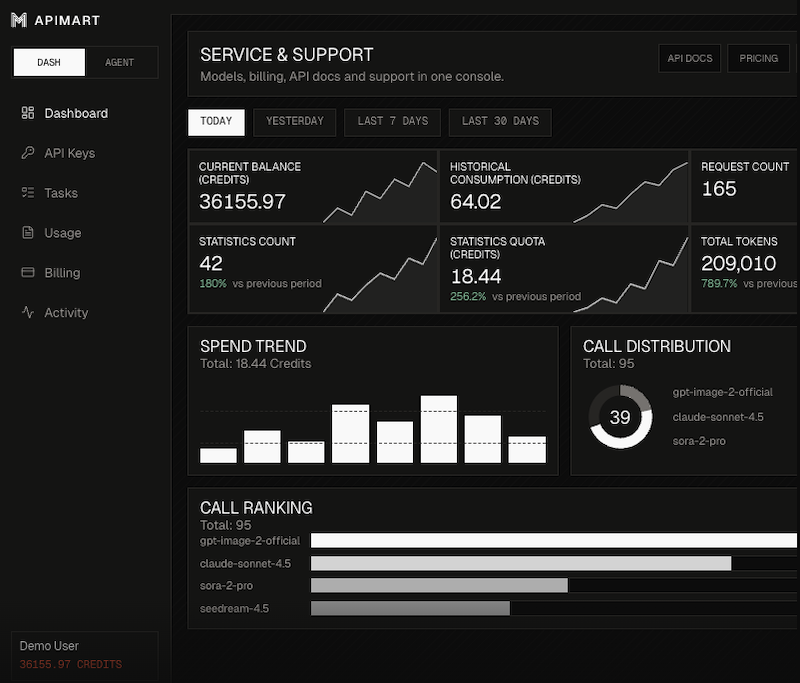
Automation companies are adopting multi-model AI APIs — standardized interfaces that route requests through a single gateway to hundreds of AI models from multiple providers, rather than hard-wiring systems to one vendor's API. This approach lets engineers switch between vision, text, and video models through one OpenAI-compatible endpoint and a single billing relationship.
Why it matters
The AI model market moves faster than most technology stacks, with new models shipping every few weeks and best-in-class solutions for tasks like visual inspection or speech changing several times a year. A system locked to one provider cannot adopt cheaper or more accurate replacements without a rewrite; a provider outage would cripple the automated system's intelligence. Multi-model routing solves this by treating model access as swappable infrastructure, letting teams route high-volume work to inexpensive models and reserve premium options for edge cases—all as configuration changes rather than engineering projects.
What to watch
Automation vendors benefit most by wrapping every AI call behind a single internal function (parameterized by model), tiering tasks by cost and quality, handling AI calls asynchronously to avoid stalling real-time processes, and logging model, latency, and cost per call. As AI models continue to get cheaper and capabilities shift, this foundation turns a constant stream of new releases from a maintenance burden into a compounding advantage.
Summaries like this, in your inbox every morning.
The article frames a fundamental tension in automation software: AI capabilities are now central to modern systems—vision for defect detection, natural-language interfaces, predictive maintenance—yet the AI model market moves far faster than the industrial software that relies on it. Where traditional software dependencies (databases, operating systems) remain stable for years, new AI models arrive every few weeks, prices fluctuate, and the best solution for a specific task rotates multiple times annually. This mismatch creates a trap: choosing one vendor offers immediate integration and reliability, but that same lock-in prevents the system from capturing the constant improvements and cost reductions flooding the market.
The multi-model gateway pattern solves this by decoupling the automation system's logic from the underlying model. Rather than integrating each provider separately—a complexity burden in industrial environments—or betting on a single vendor, teams route all AI requests through one standardized interface that abstracts away provider differences. This design preserves the reliability automation demands while restoring the flexibility needed to chase a moving market. The practical payoff is tangible: routing inspection work to a cheap, fast model while reserving expensive, premium models for rare edge cases becomes a configuration edit, not an engineering project. As the article concludes, this foundation turns the relentless stream of new models from a maintenance liability into a structural advantage.
Pick your industry and the AI tools you use, and get news related to your work every day.
Free · 30 seconds with Google · unsubscribe anytimeWhat is AIToday? →
Ask AI anything about this article. The AI reads this article, earlier AIToday articles, and Wikipedia, and cites its sources. Q&As are published on this page for other readers too.
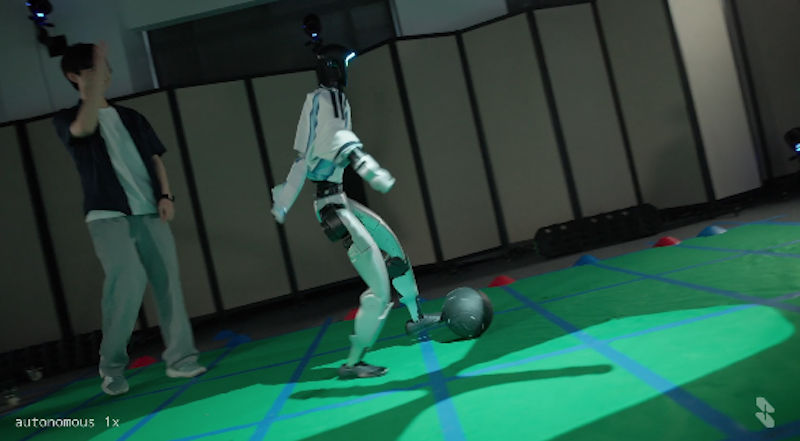
Skild AI used Nvidia Isaac Sim to give its S1 model one objective — score a goal — and let it compete against…
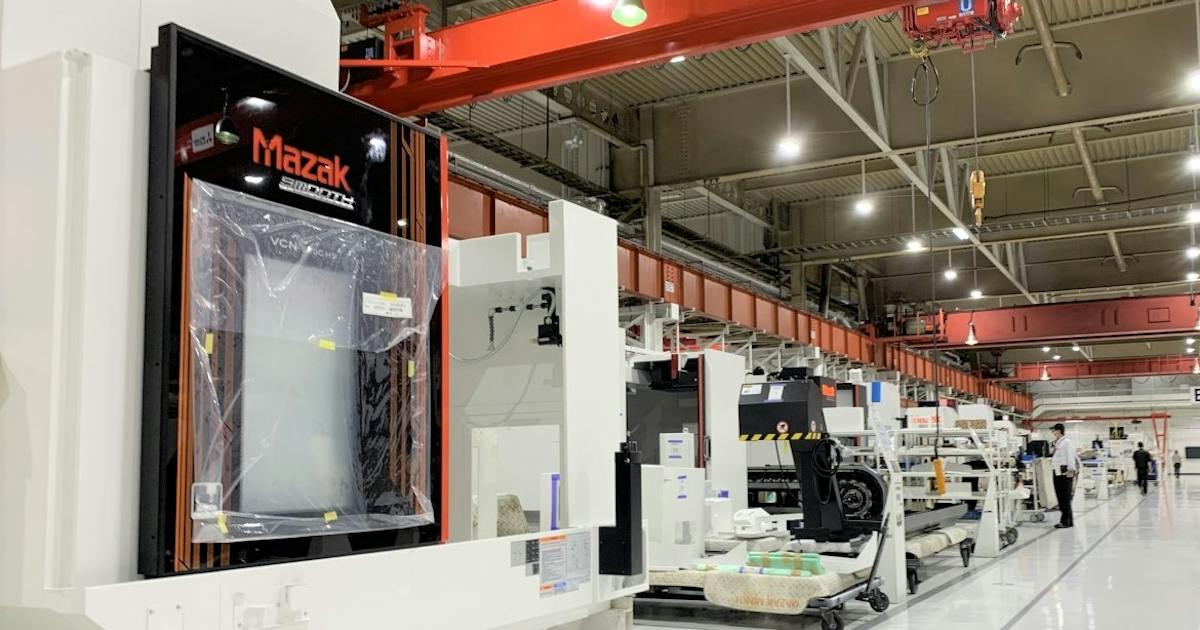
Yamazaki Mazak and ABEJA said on the 16th they will start joint development of physical AI, using ABEJA's ABEJ…
Toyota Motor's Japan Mobility Show Bizweek 2026 booth centers on its AI basketball robot CUE7, has no other ex…
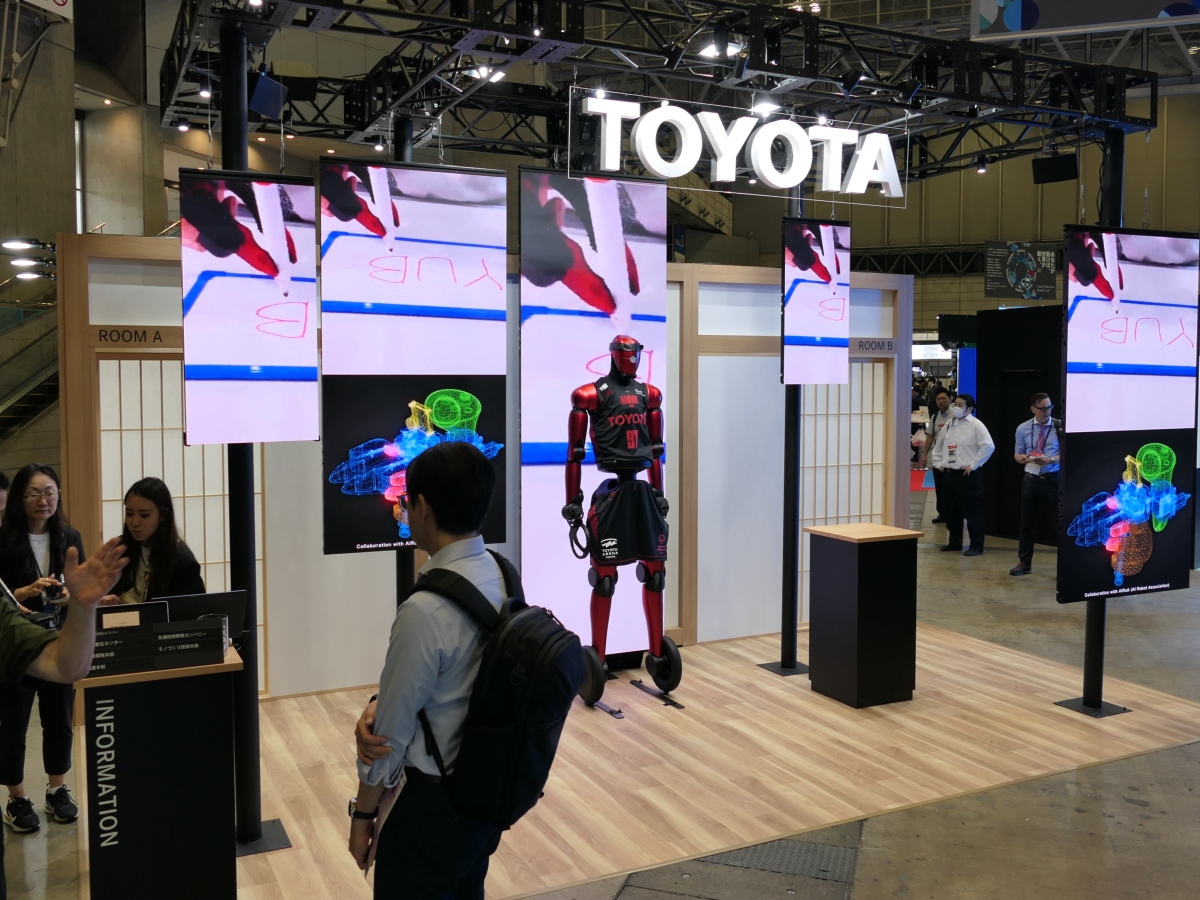
Japan Mobility Show Bizweek 2026 showcased Physical AI applications, including Toyota's basketball-playing rob…
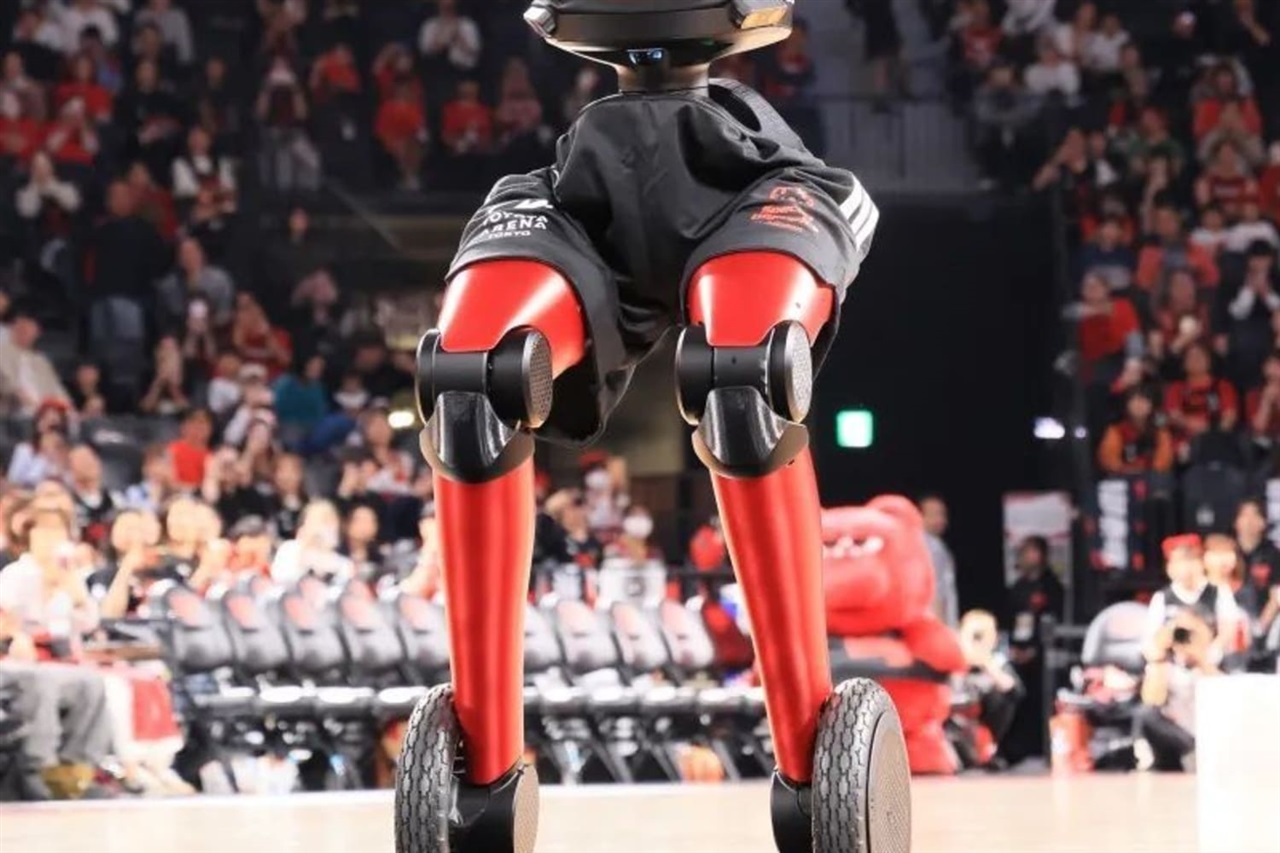
Google pitched Gemini 4 Argon as one model for robot control, simulation and training-data review, saying it s…
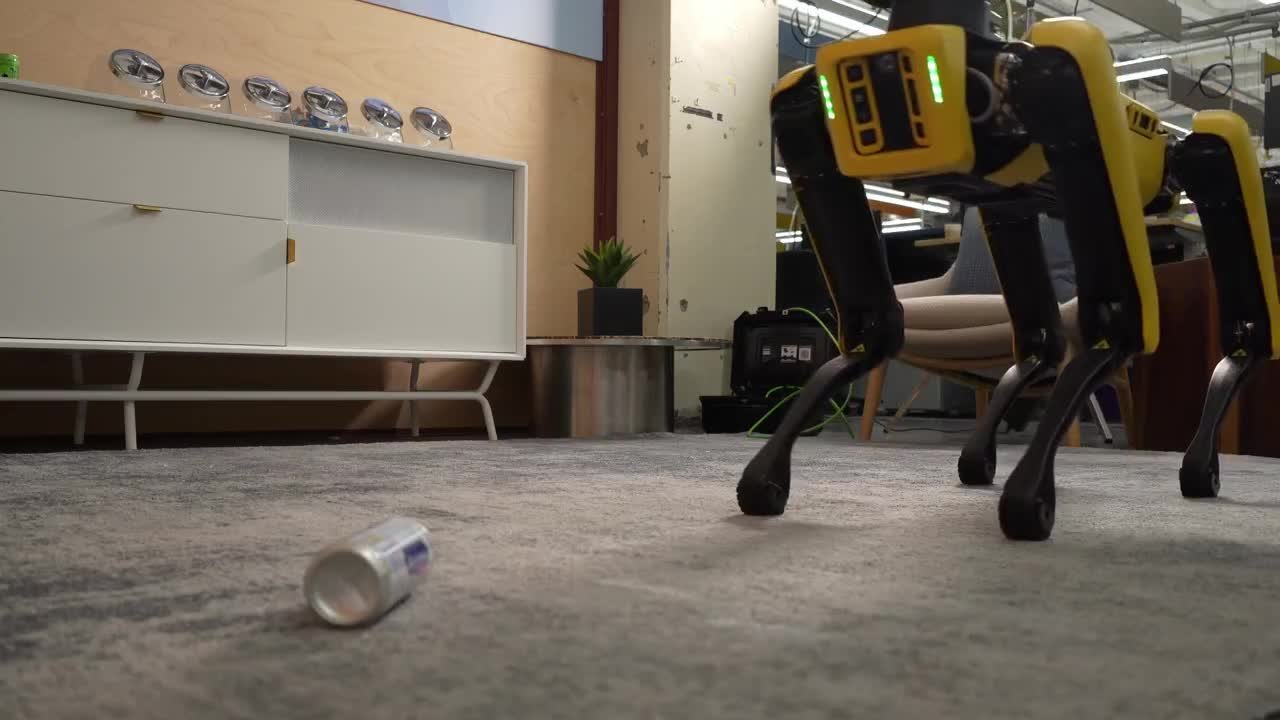
Researcher Sammy Azdoufal discovered Energize Lab's Eiliko robot stores 13 million conversations from 68,000 t…