What happened
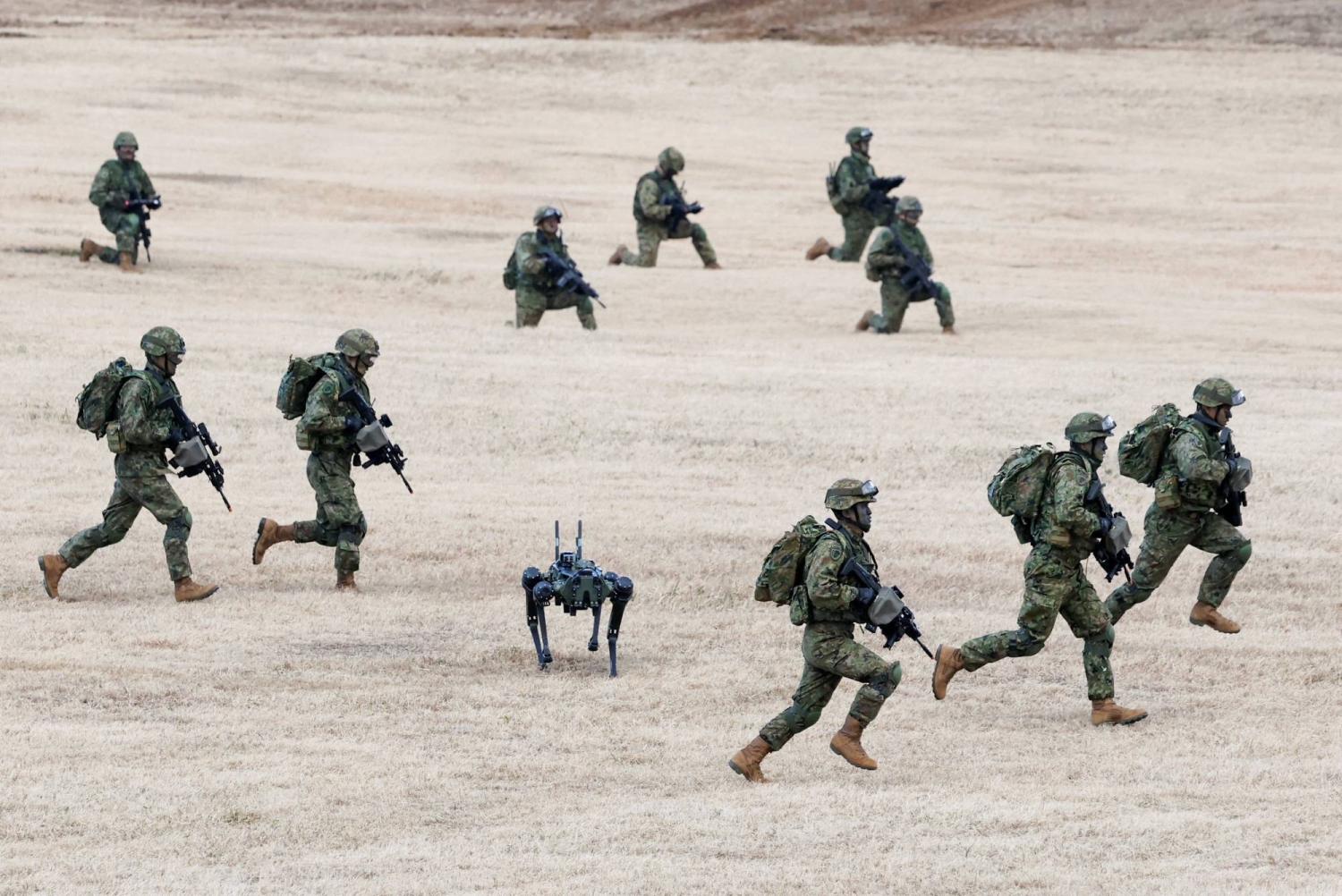
The Defense Ministry submitted a record ¥8.9 trillion ($56 billion) budget request for fiscal 2027, the final year of a five-year, ¥43 trillion plan. The request includes AI for command and control, hypersonic underwater-launched missiles, and drones.
Why it matters
The figure is widely expected to rise as Japan revises its three key national security documents by year-end. Some officials say it could top ¥10 trillion, in part due to U.S. pressure to spend 3.5% of GDP on defense, while Japan claims it already spends around 2%.
What to watch
The request includes ¥8.7 billion for UAVs, ¥36.3 billion for small attack drones, and ¥9.5 billion for uncrewed ground vehicles. It also outlines a new state-backed entity and a shift toward a government-owned, contractor-operated model for some defense businesses.
Summaries like this, in your inbox every morning.
The record request reflects Japan's response to regional security challenges from China, North Korea, and Russia, as well as pressure from the U.S. under President Donald Trump to increase defense spending. The inclusion of AI and drones aims to prepare for 'new ways of warfare,' but the ministry's focus on technology raises questions about manpower, as experts like Masashi Murano note the need to rethink force design and cut crewed platforms to staff uncrewed systems.
The request also signals a larger government role in the defense sector, with plans for a state-backed entity and a shift toward a GOCO model. However, legal changes are needed for permanent government ownership of facilities, with media reports suggesting legislation could come as early as next year. The emphasis on the Pacific flank, including deploying MQ-9B SeaGuardian UAVs and new bureaus, underscores Japan's focus on protecting sea lanes and responding to intensified military activities by neighbors.
Pick your industry and the AI tools you use, and get news related to your work every day.
Free · 30 seconds with Google · unsubscribe anytimeWhat is AIToday? →
Ask AI anything about this article. The AI reads this article, earlier AIToday articles, and Wikipedia, and cites its sources. Q&As are published on this page for other readers too.
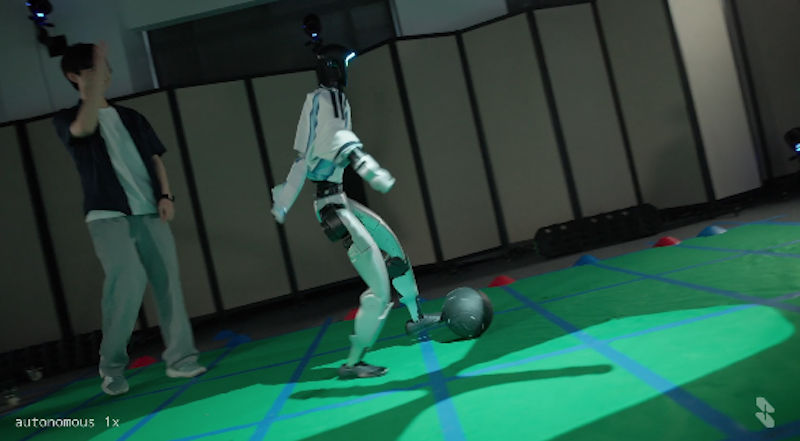
Skild AI used Nvidia Isaac Sim to give its S1 model one objective — score a goal — and let it compete against…
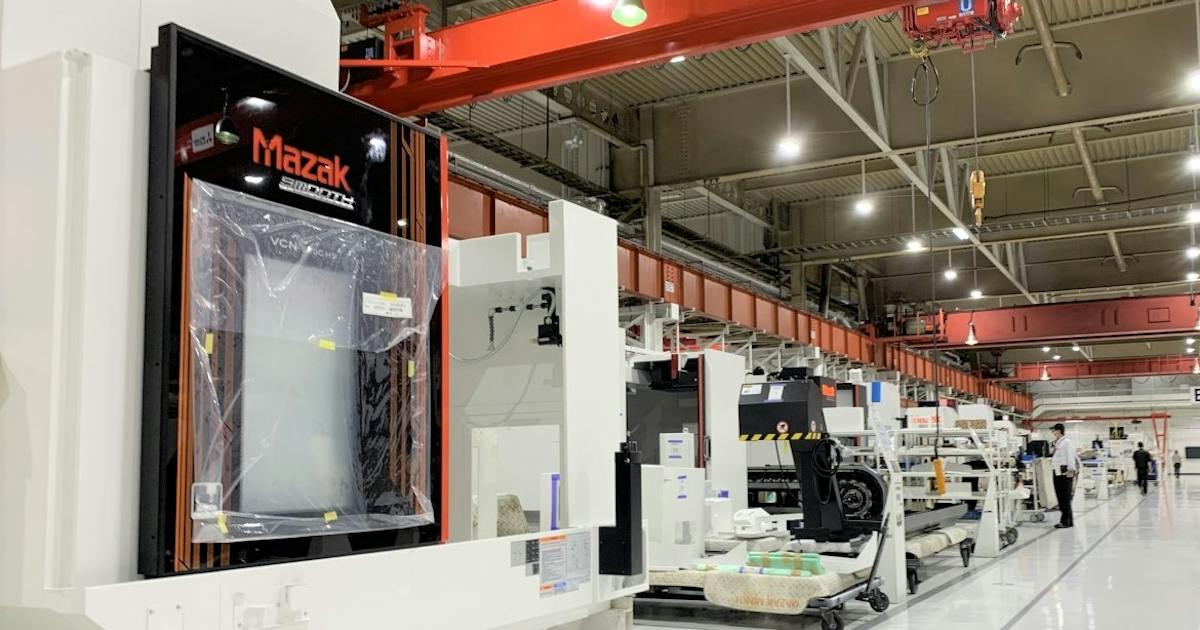
Yamazaki Mazak and ABEJA said on the 16th they will start joint development of physical AI, using ABEJA's ABEJ…
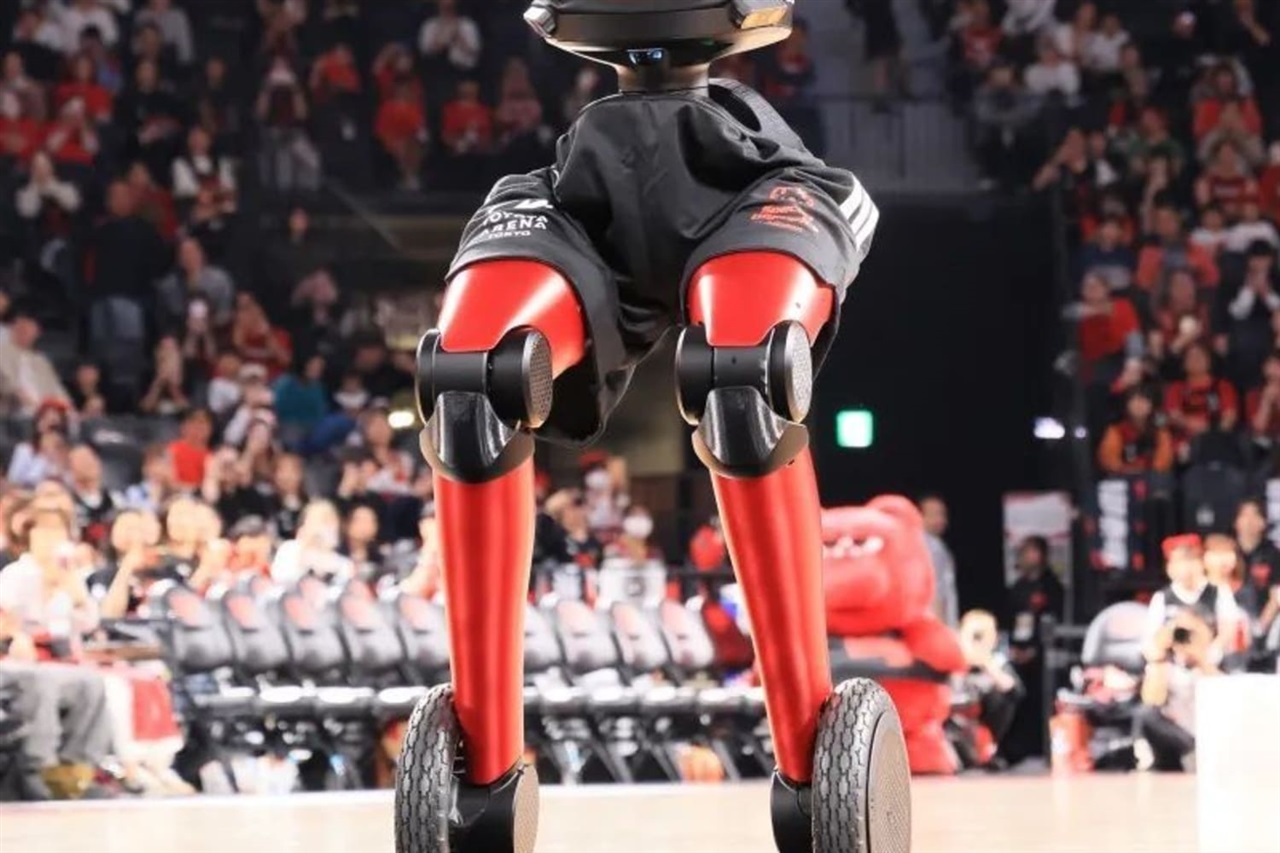
Toyota Motor's Japan Mobility Show Bizweek 2026 booth centers on its AI basketball robot CUE7, has no other ex…
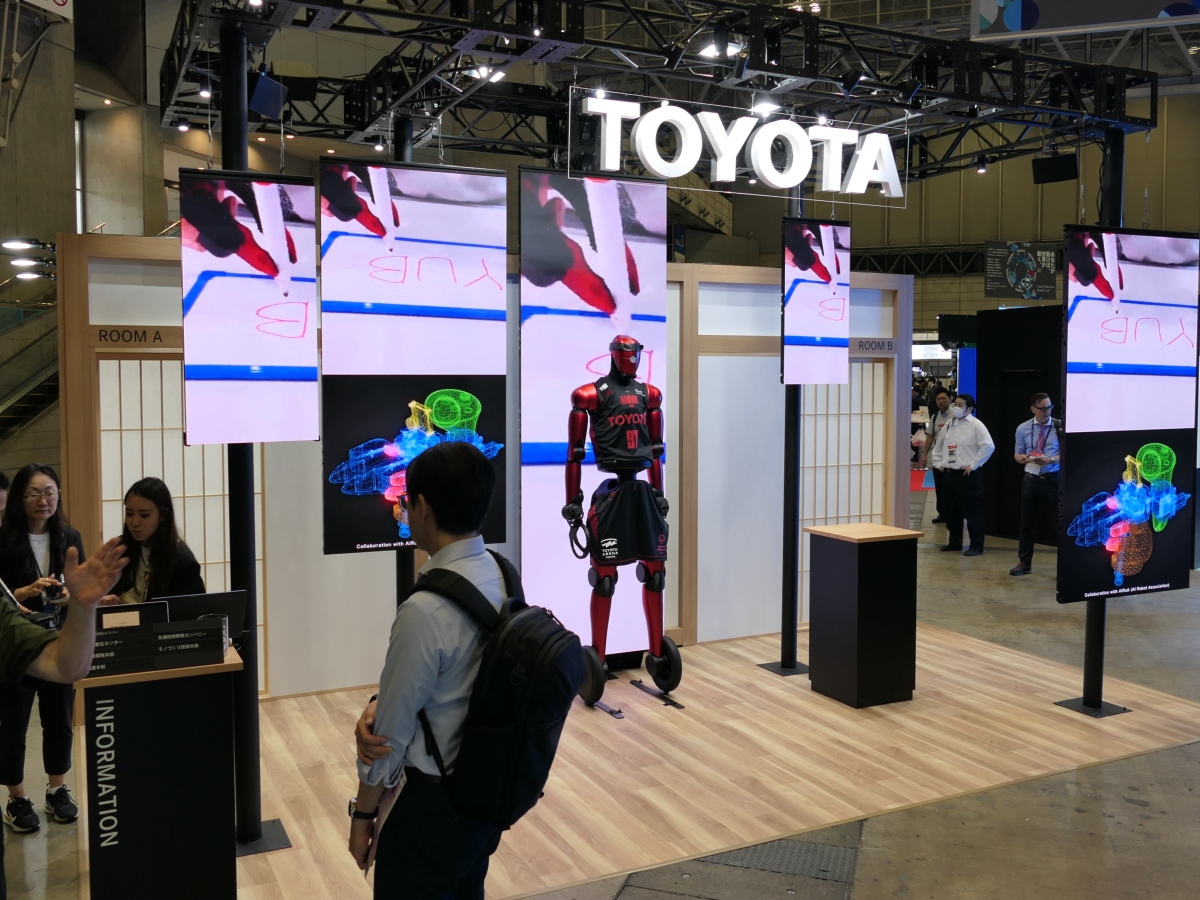
Japan Mobility Show Bizweek 2026 showcased Physical AI applications, including Toyota's basketball-playing rob…
Google pitched Gemini 4 Argon as one model for robot control, simulation and training-data review, saying it s…
Researcher Sammy Azdoufal discovered Energize Lab's Eiliko robot stores 13 million conversations from 68,000 t…