What happened
Guitar company D'Addario has admitted that Suno AI was used to regenerate a track in a promotional video for new strings. The company had denied the allegation for nearly two weeks, offering alternative explanations including low-quality exports, Autotune artifacts, and AI-assisted mastering tools from LANDR and Logic, before editing its original Instagram post from July 29th to acknowledge the error.
Why it matters
D'Addario's initial denials and heavy-handed deletion of critical comments damaged trust with customers and the broader music community. The company now faces credibility questions and has committed to requiring employees and creative partners to disclose any use of generative AI going forward, signaling that at least some music brands view AI-generated content as inconsistent with their brand values.
What to watch
The admission follows scrutiny from guitarist and YouTuber Rhett Shull, who obtained the original Logic session files directly from D'Addario and concluded Suno was used to regenerate an original recording. This is one of several recent AI controversies in the guitar industry, including the Fender CEO's comments comparing bandmates to analog AI.
Summaries like this, in your inbox every morning.
D'Addario's initial response to allegations of AI use reveals how defensive companies can become when caught using generative tools they believe may conflict with customer expectations. The company's escalating explanations—from technical audio artifacts to established tools like LANDR and Logic—suggest internal uncertainty rather than a deliberate cover-up, but the effect was the same: erosion of credibility. The turning point came when YouTuber Rhett Shull obtained direct access to the Logic files and independently concluded that Suno had been used to regenerate an original recording. This external verification made continued denial untenable.
The fact that D'Addario chose to edit its original post rather than issue a new statement suggests a desire to minimize the controversy's visibility, though the apology itself is substantive: the company commits to disclosure requirements and closer review of all content. This pledge indicates that at least in the music industry, there remains consumer and brand sensitivity around AI-generated audio, positioning transparency as a competitive advantage. The incident is part of a wider pattern of AI friction in music and music-adjacent industries, as evidenced by the recent Fender CEO controversy.
Pick your industry and the AI tools you use, and get news related to your work every day.
Free · 30 seconds with Google · unsubscribe anytimeWhat is AIToday? →
Ask AI anything about this article. The AI reads this article, earlier AIToday articles, and Wikipedia, and cites its sources. Q&As are published on this page for other readers too.
A solo developer built Yurune, a web app that plays synthesized rain, wave and forest sounds and lets users ta…

The developer benchmarked Moonshine Voice's Japanese "Small Streaming" model against faster-whisper's small mo…

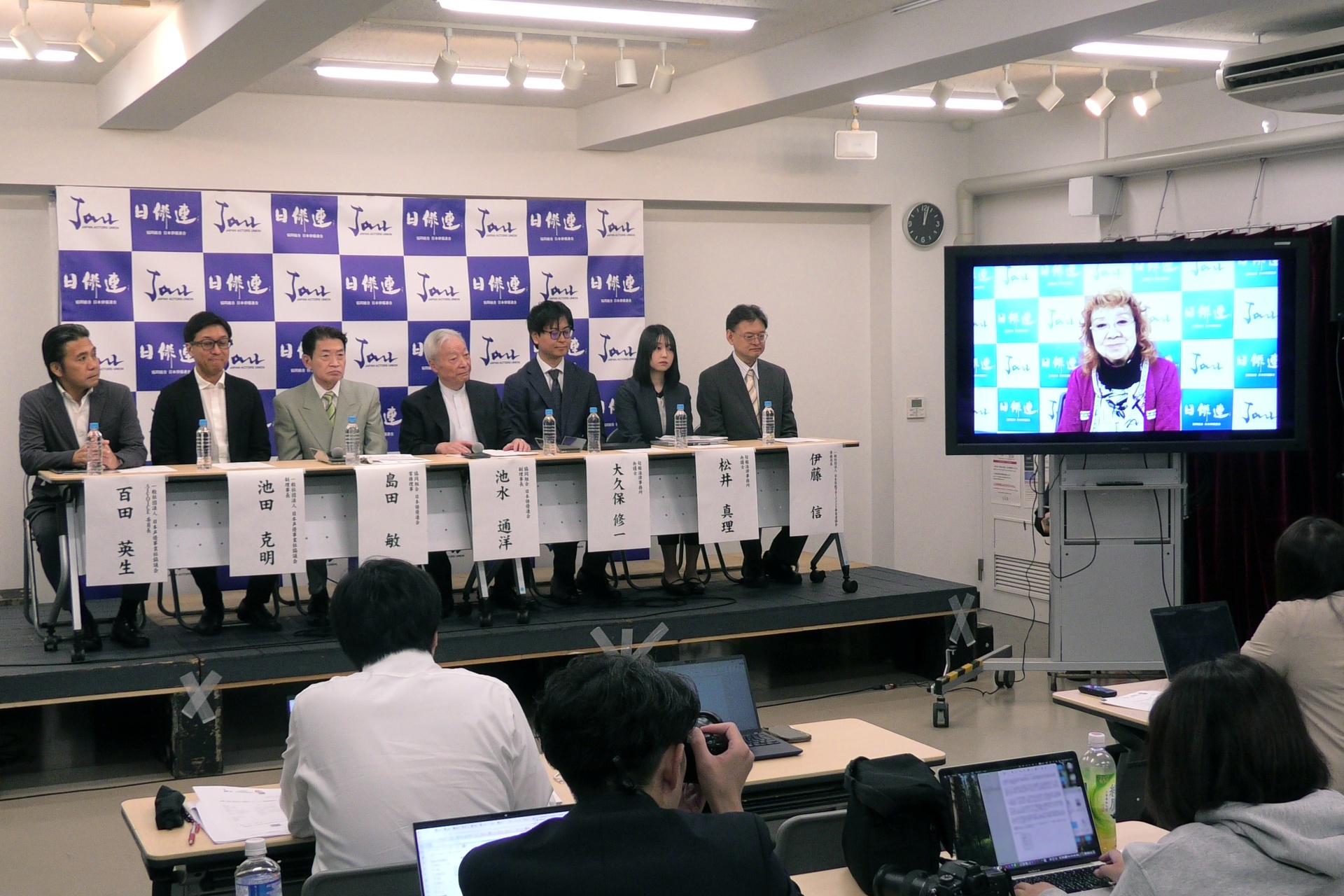
The Japan Actors Union adopted a generative AI guideline for voice on October 15, requiring prior consent from…
SpaceXSI released Grok Voice 3.0, rated 86.9 on Artificial Analysis' Speech-to-Speech Index, ahead of OpenAI's…

Square launched the Square Kiosk, a pill-shaped ordering device with a 21.5-inch touchscreen and an AI voice l…

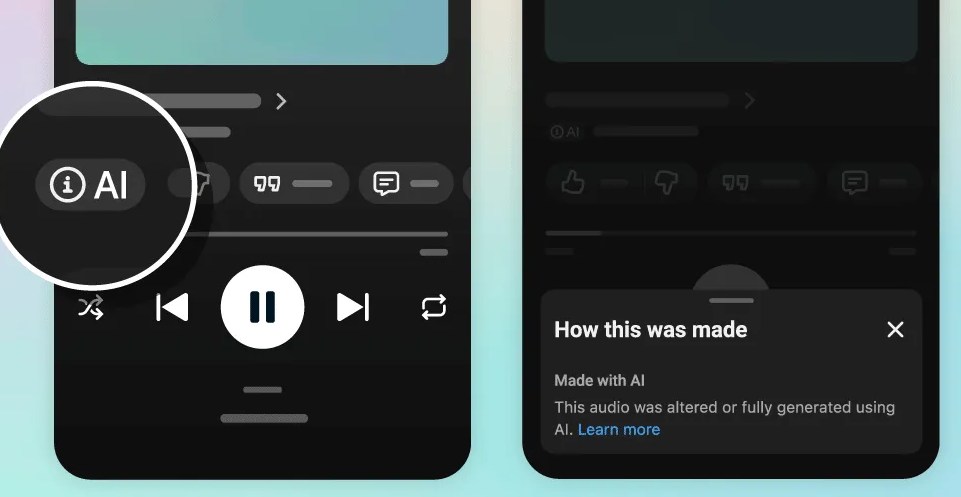
YouTube is adding a "Made with AI" label to tracks "altered or fully generated" using AI, starting today in th…