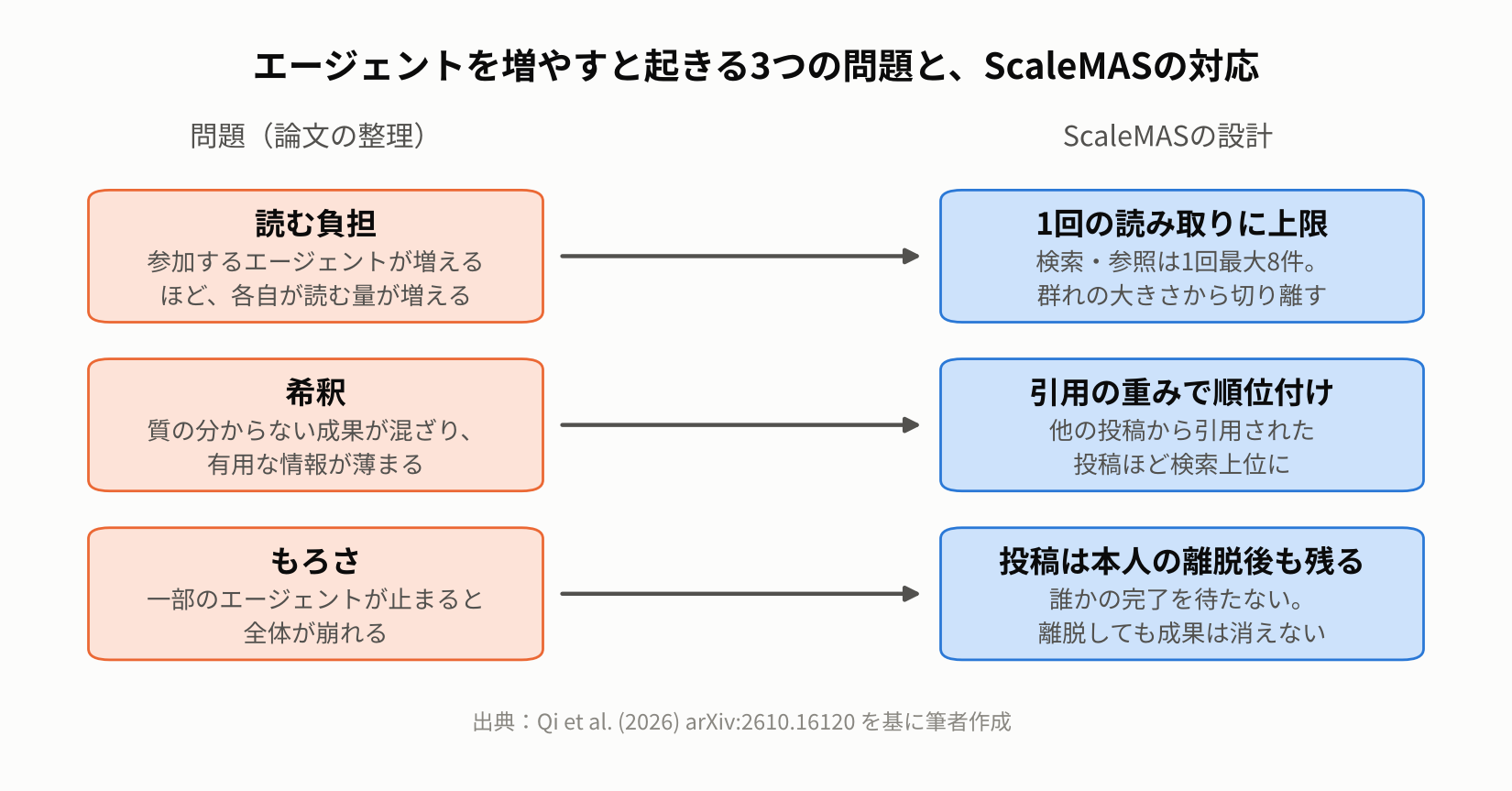
What happened
A paper titled "Scaling Multi-Agent Intelligence with Substrate-Centric Coordination," published Oct 12 by Meta's FAIR lab and Harvard researchers, proposed ScaleMAS and reported that 4 ScaleMAS agents matched 8 independent agents on software-repair tasks using nearly half the tokens.
Why it matters
The findings suggest adding more AI agents does not automatically improve results — the coordination mechanism and the task type appear to matter more, which challenges the assumption that more agents is better.
Summaries like this, every morning.
Pick your industry and the AI tools you use, and get news related to your work every day.
Free · 30 seconds with Google · unsubscribe anytimeWhat is AIToday? →
Ask AI anything about this article. The AI reads this article, earlier AIToday articles, and Wikipedia, and cites its sources. Q&As are published on this page for other readers too.
Crux Labs launched with over $6 million in funding led by Benchstrength and Misneach, with Analog Ventures and…
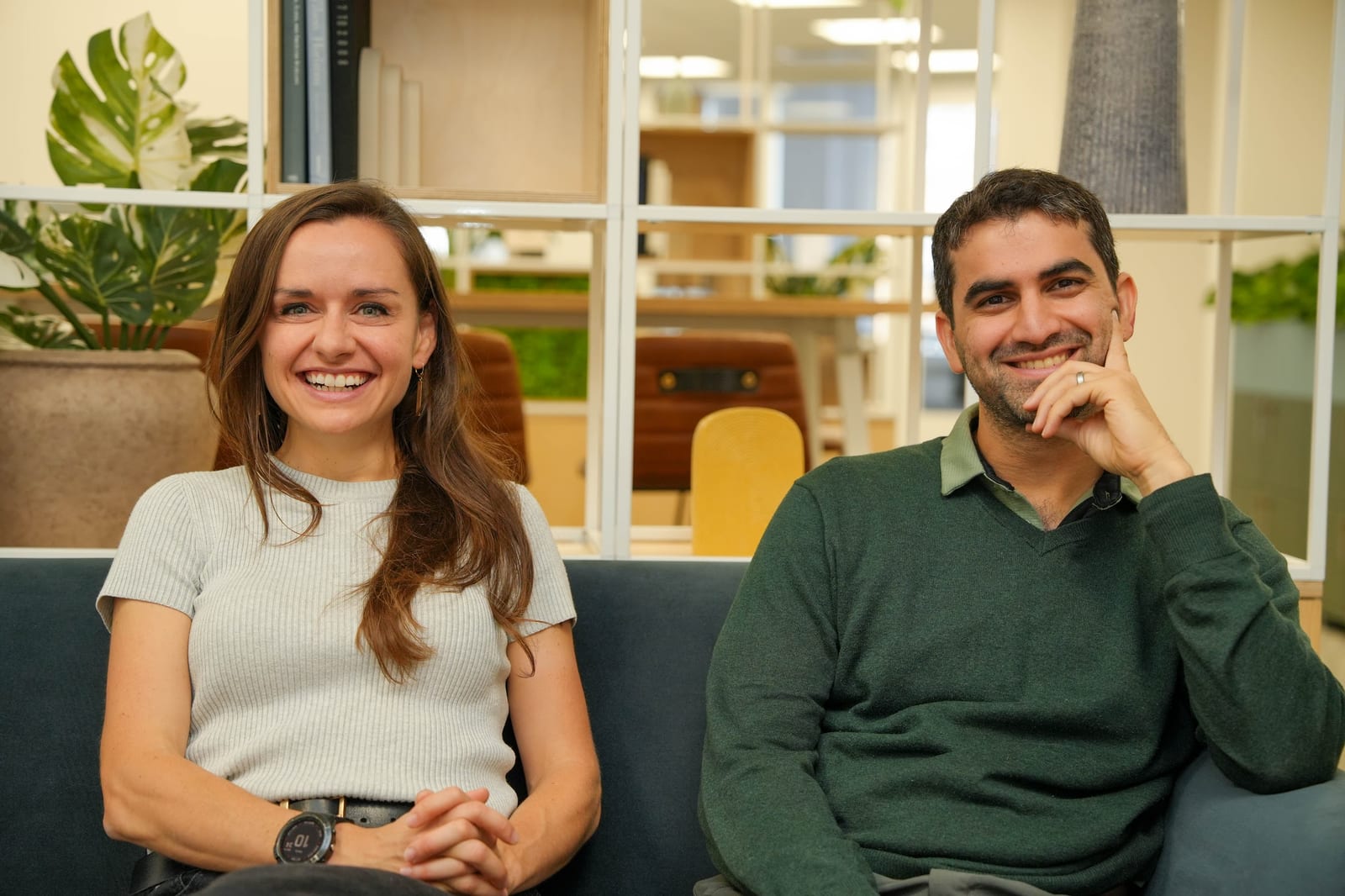
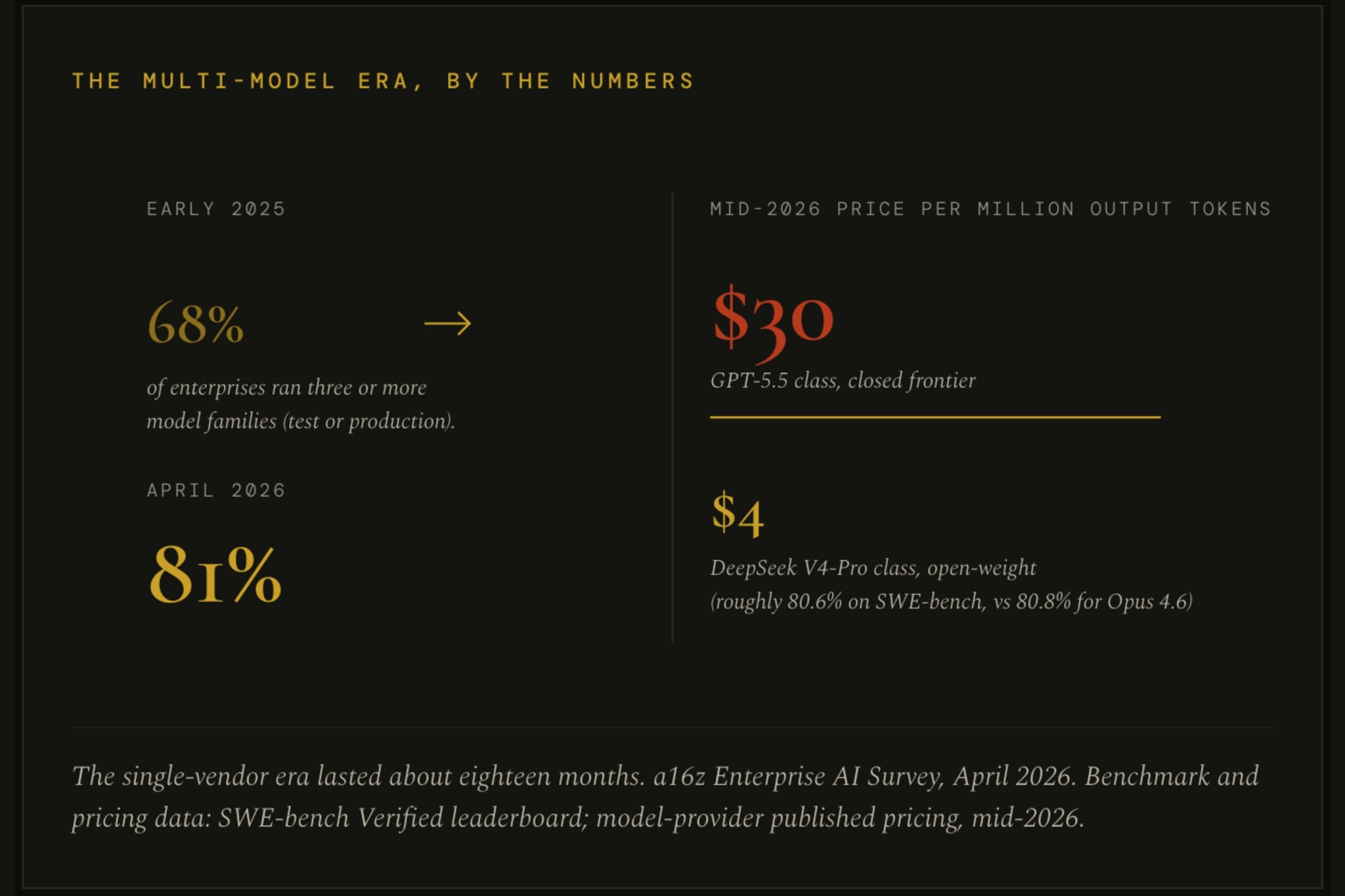
In a Fortune essay, Collective[i] argues companies should treat AI models as swappable commodities and own the…
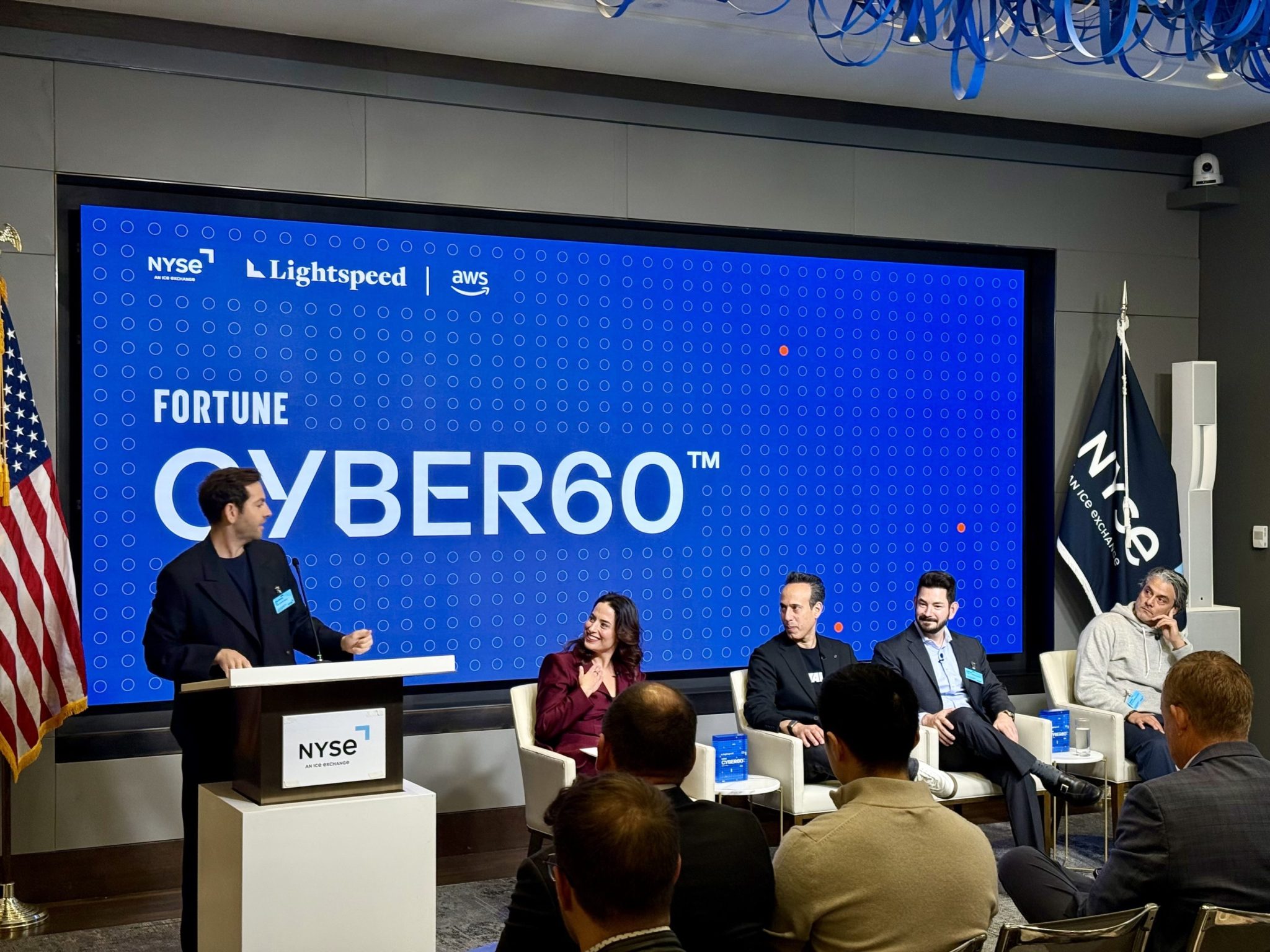
At Fortune's Cyber 60 event, Armadin cofounder Evan Peña said attackers using AI can scan a Fortune 500's more…
A 31-year-old Seattle woman on epilepsy medication died in February 2026; her parents sued OpenAI in October 2…

Nscale is asking US investors for a roughly $30 billion valuation on first-half 2026 revenue of $140.6 million…

Studying the four most widely used agent frameworks, Partnership on AI researchers found key observability req…