What happened
OpenAI and Broadcom unveiled Jalapeño, OpenAI's first custom accelerator designed for LLM inference. Engineering samples are running GPT-5.3-Codex-Spark workloads in the lab at production target frequency and power.
Why it matters
Early testing shows the chip will deliver performance per watt substantially better than current state-of-the-art. OpenAI says this is part of a multi-generation platform to make AI faster, more reliable, and more affordable for people and businesses.
What to watch
The chip is targeted for initial deployment by end of 2026 at gigawatt-scale data centers with Microsoft and other partners. Whether it meets the performance and efficiency claims will depend on the detailed technical report due in the coming months.
Summaries like this, in your inbox every morning.
OpenAI's move into custom silicon is a strategic step to own more of its infrastructure stack, from chips to products. By designing the accelerator with its own models and serving systems in mind, OpenAI aims to close the gap between theoretical and realized performance, which could lower costs and improve reliability for its services like ChatGPT and Codex. The collaboration with Broadcom and Celestica leverages their manufacturing and networking expertise to industrialize the platform. This is part of a broader trend where AI companies seek to reduce dependence on general-purpose chips and tailor hardware to their specific workloads, potentially reshaping the competitive landscape in AI compute. The nine-month development cycle, which OpenAI calls the fastest ASIC development cycle ever achieved, highlights the accelerating pace of hardware innovation aided by AI itself. However, the actual performance benefits remain to be validated, and the long-term success will hinge on scaling production and integrating with data centers by 2026. For business readers, this could mean more affordable and dependable AI services in the future, but the immediate impact is limited until deployment.
Pick your industry and the AI tools you use, and get news related to your work every day.
Free · 30 seconds with Google · unsubscribe anytimeWhat is AIToday? →
Ask AI anything about this article. The AI reads this article, earlier AIToday articles, and Wikipedia, and cites its sources. Q&As are published on this page for other readers too.
Danaher announced a collaboration with NVIDIA combining its instruments, automation and workflow software with…
OpenAI presented a 166-page potential Navier-Stokes proof in early September, saying it followed the approach…

Researchers gave models 1,600 synthetic work logs, each with a hidden flaw

A simulation of Crescendo, the multi-turn jailbreak by Russinovich, Salem and Eldan published at USENIX Securi…

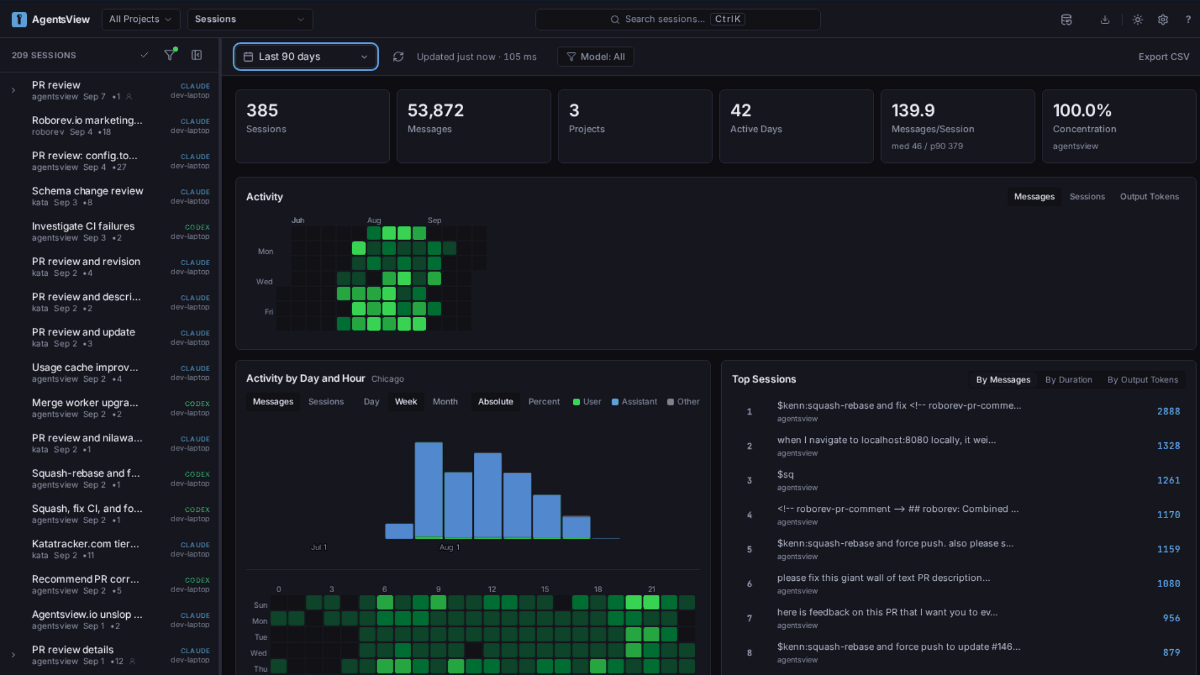
AgentsView automatically detects the local logs of Claude Code, Codex, Cursor, Copilot, Gemini and 60-plus oth…
Genomic foundation models like Evo 2, Genos and Google DeepMind's AlphaGenome learn correlations from DNA sequ…