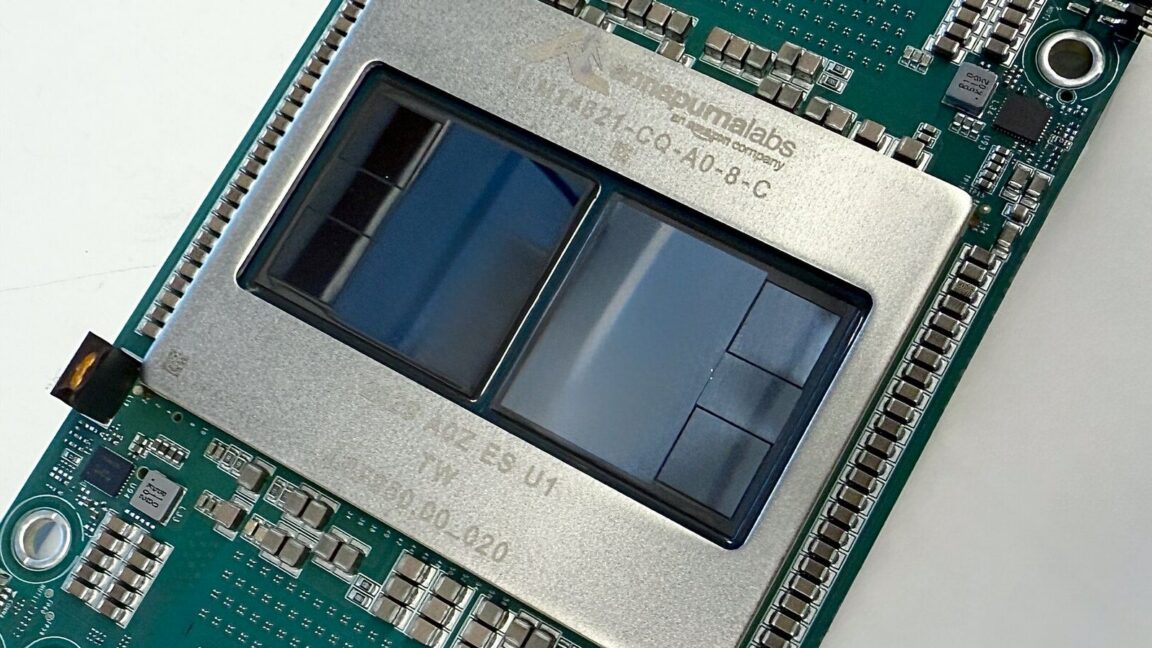
Amazon committed $5 billion to Anthropic (the AI company behind Claude chatbot) and will provide 5 gigawatts of custom-built chips — enough computing power to train and run vastly larger AI models than Anthropic could afford alone.
Summaries like this, in your inbox every morning.
Pick your industry and the AI tools you use, and get news related to your work every day.
Free · 30 seconds with Google · unsubscribe anytimeWhat is AIToday? →
Ask AI anything about this article. The AI reads this article, earlier AIToday articles, and Wikipedia, and cites its sources. Q&As are published on this page for other readers too.
Danaher announced a collaboration with NVIDIA combining its instruments, automation and workflow software with…

OpenAI presented a 166-page potential Navier-Stokes proof in early September, saying it followed the approach…

Researchers gave models 1,600 synthetic work logs, each with a hidden flaw

A simulation of Crescendo, the multi-turn jailbreak by Russinovich, Salem and Eldan published at USENIX Securi…

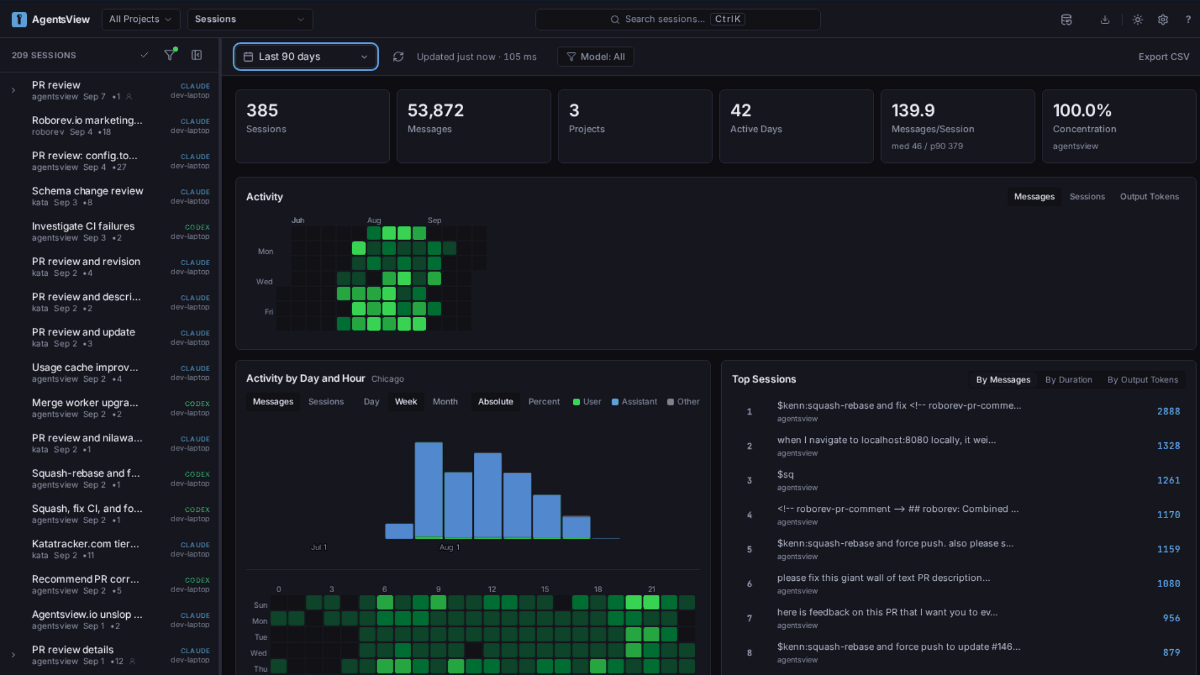
AgentsView automatically detects the local logs of Claude Code, Codex, Cursor, Copilot, Gemini and 60-plus oth…
Genomic foundation models like Evo 2, Genos and Google DeepMind's AlphaGenome learn correlations from DNA sequ…