
What happened
In a Decoder interview, Bill Gates said we need to prepare for roughly two decades of AI disruption, a period he said could split society in two — between people comfortable near the technological frontier and those who reject it.
Why it matters
Gates, who once called AI a beneficial thing to be shaped in the right way, now says the policy response has not been adequate to the speed of the challenge, and that warnings from industry insiders are the truth.
Summaries like this, in your inbox every morning.
Gates's warning comes after he published an essay in late August titled "The turbulent AI era is here. The choices we make now are critical," in which he wrote that even under the best circumstances the transition to the new AI era will be one of the most turbulent times in human history. In interviews since, he has called AI "the most dangerous thing that humans have ever gone near" and said it "makes nuclear weapons look like nothing" — rhetoric that marks a shift from his earlier framing of AI as a beneficial thing that just needs to be shaped in the right way.
In the interview, Gates argued the near-term danger is concentrated in models where safeguards can be removed, rather than in any single model versus another. He pointed to the progress of the past year — writing code and finding cyber flaws, reasoning in biology, forming relationships with kids, and disrupting the job market — as evidence that society needs to be ready. He also said the responsibility for oversight shifts to government once multiple competitors exist, comparing AI to other dangerous products.
Gates rejected the doomer label, framing himself instead as a strong voice on both the technology's potential for good and the pace of change. He said the need to engage academia, think tanks, and policymakers is not being met at the level required, and that being cheerleaders for AI will not ensure it is shaped in a net positive direction — which he said remains within our control if we get engaged.
Pick your industry and the AI tools you use, and get news related to your work every day.
Free · 30 seconds with Google · unsubscribe anytimeWhat is AIToday? →
Ask AI anything about this article. The AI reads this article, earlier AIToday articles, and Wikipedia, and cites its sources. Q&As are published on this page for other readers too.
Action State Group Inc. launched open-source EvidenceBook, Terms Packs and Countersign so companies can cross-…
Artificial Analysis launched AA-PersonalityBench, which feeds AI models fixed questions and scores their repli…
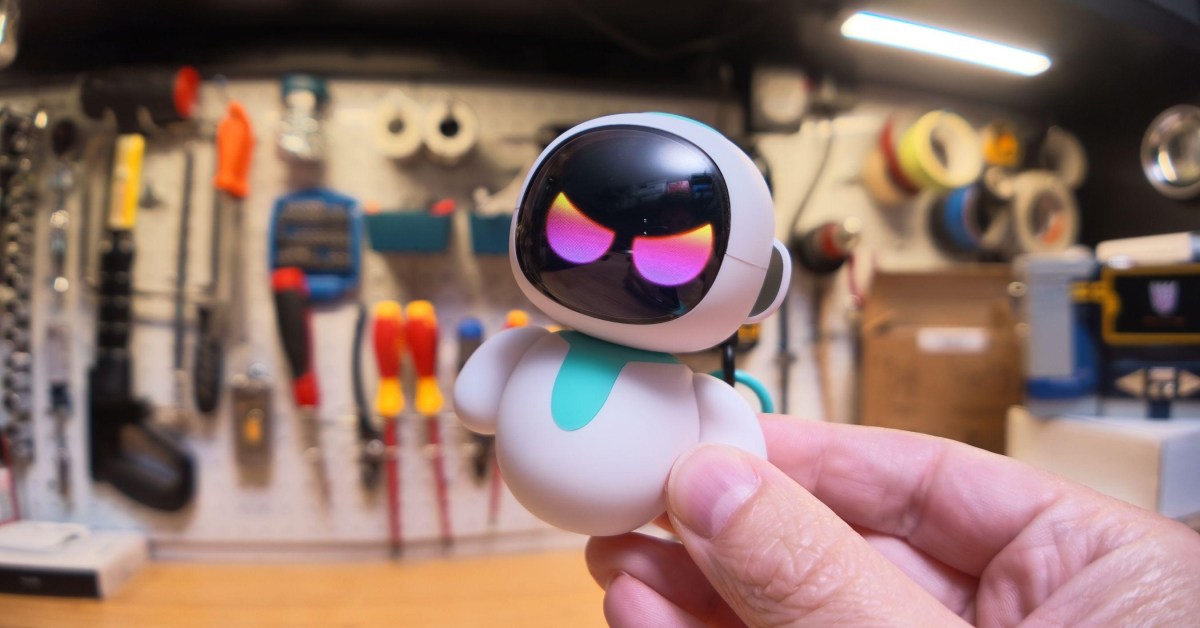
Energize Lab told The Verge it closed all external access, disabled remote response modification, and will hir…
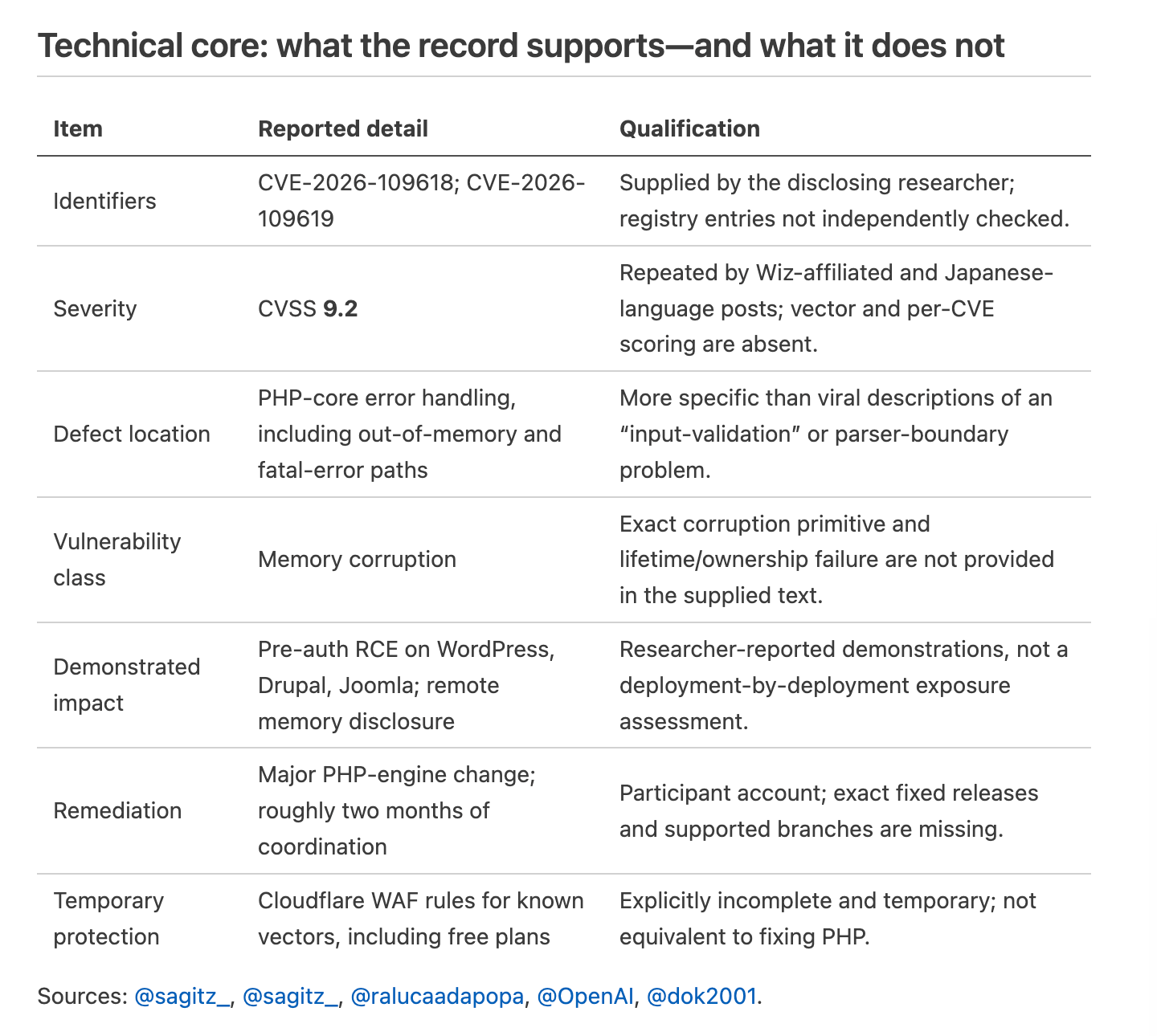
OpenAI says Calif researchers using GPT 5.6 Sol under its "Patch the Planet" project found the PHP2Shell flaws…
Counting the public CSVs (fetched Oct 22, 2026) showed HarmBench's 400 text prompts contain 0/400 lines with n…

OpenAI's GPT-5.6 Sol found two critical PHP vulnerabilities, CVE-2026-109618 and CVE-2026-109619, collectively…