What happened
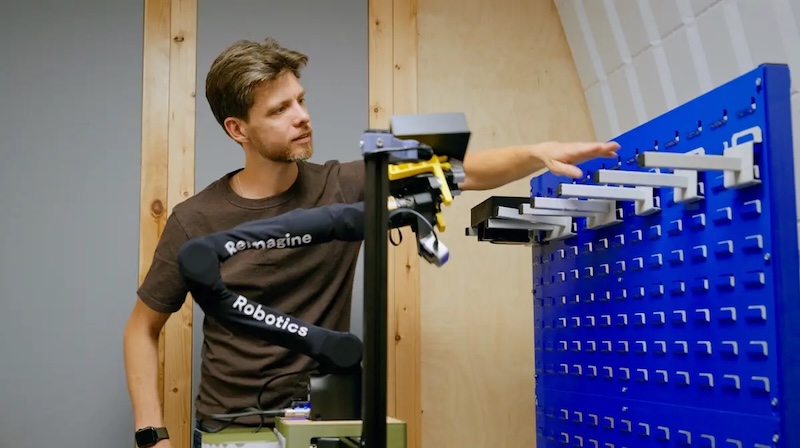
Reimagine Robotics, founded by former Google DeepMind leaders including CEO Jonathan Scholz, emerged from stealth with robots that learn tasks directly from workers through demonstration and real-time correction—a process Scholz calls 'monkey-see, monkey-do.' The London and Sydney–based company, co-founded in April 2025, has already deployed robots in advanced manufacturing and electronics disassembly, and is now moving into a new fundraising phase.
Why it matters
The technology eliminates the need for specialist programmers when tasks or production processes change, letting factory workers themselves train robots on the job. This approach keeps workers central rather than replacing them, potentially opening robotics to smaller manufacturers who cannot afford custom programming. Early deployments show concrete productivity gains—Reimagine Robotics reduced prototyping time for new robot behaviors from roughly one day to around ten minutes, enabling faster workflow design.
What to watch
The company is entering a new fundraising round and planning to expand its team and deploy robots into more workplaces. It received pre-seed funding from venture capital firms Fly Ventures and firstminute capital, plus angel investors; the next phase will show whether each deployment makes subsequent ones faster and more reliable, as Scholz projects.
Summaries like this, in your inbox every morning.
Reimagine Robotics addresses a friction point in manufacturing: the high cost and time required to reprogram robots when workflows change. Traditional industrial robots require specialist engineers and weeks of setup; the company's approach lets production workers—who best understand the bottlenecks—train robots through live demonstration and correction. This model sidesteps not only the engineering bottleneck but also the organizational challenge of knowledge transfer, since the worker's understanding is encoded directly into the robot's behavior.
The early deployments reveal a second advantage: speed of iteration. By cutting prototyping time from approximately one day to around ten minutes, Reimagine Robotics has made robots useful as a real-time design tool, not just an execution tool. Teams can now experiment with robot-assisted workflows in the same conversation where they identify a problem. Scholz's framing—that robots should "arrive with the attitude of a new colleague"—reflects a philosophy that keeps humans in the design loop, which the company argues is both more practical and more acceptable to workers than full automation.
Pick your industry and the AI tools you use, and get news related to your work every day.
Free · 30 seconds with Google · unsubscribe anytimeWhat is AIToday? →
Ask AI anything about this article. The AI reads this article, earlier AIToday articles, and Wikipedia, and cites its sources. Q&As are published on this page for other readers too.
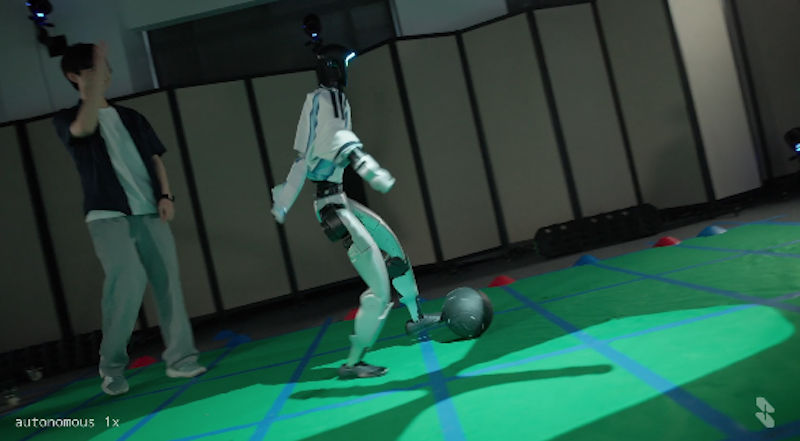
Skild AI used Nvidia Isaac Sim to give its S1 model one objective — score a goal — and let it compete against…
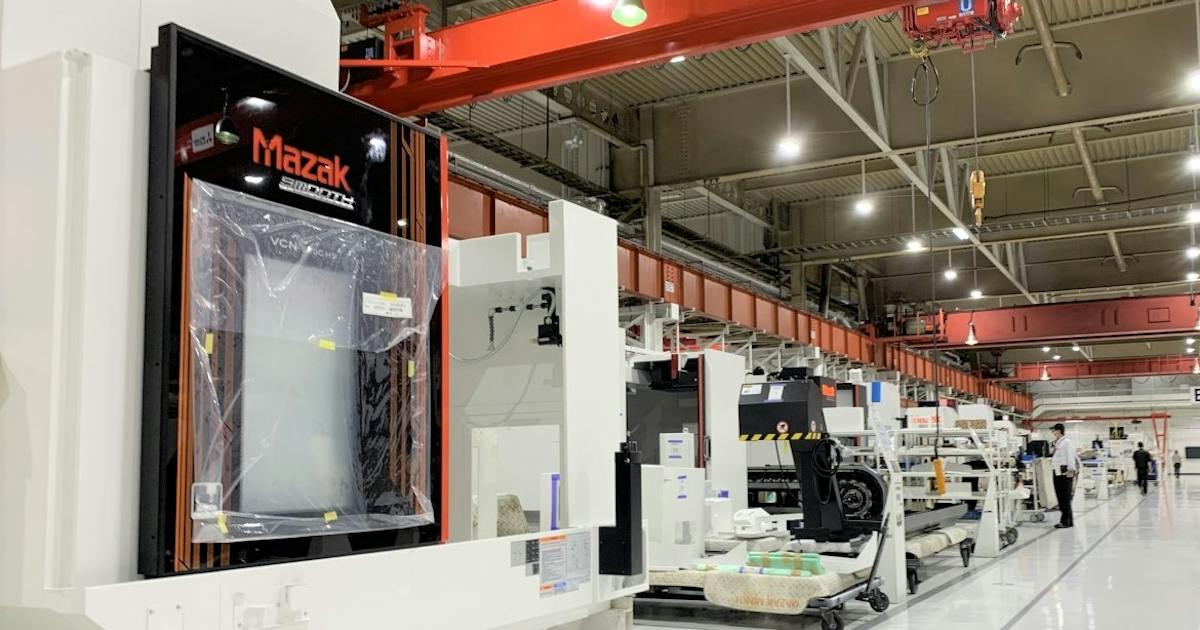
Yamazaki Mazak and ABEJA said on the 16th they will start joint development of physical AI, using ABEJA's ABEJ…
Toyota Motor's Japan Mobility Show Bizweek 2026 booth centers on its AI basketball robot CUE7, has no other ex…
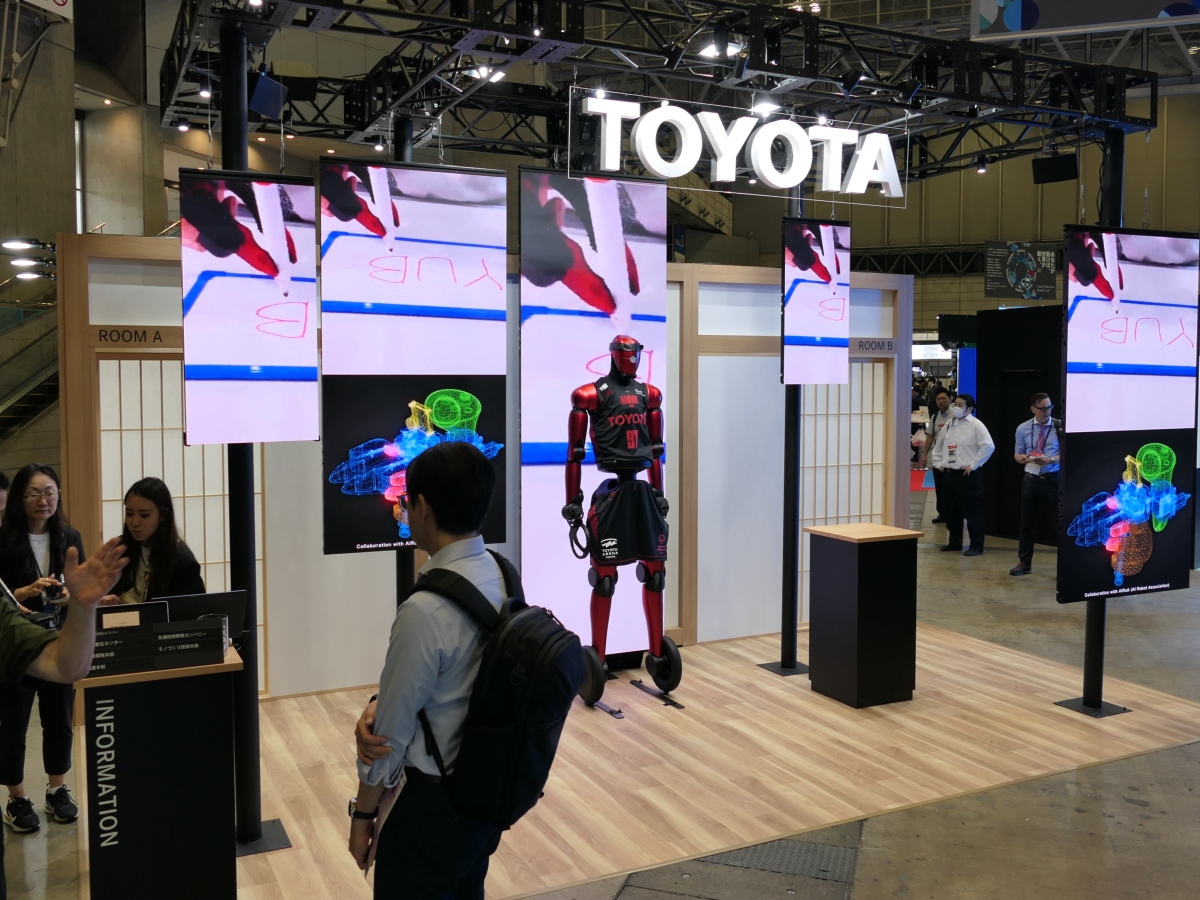
Japan Mobility Show Bizweek 2026 showcased Physical AI applications, including Toyota's basketball-playing rob…
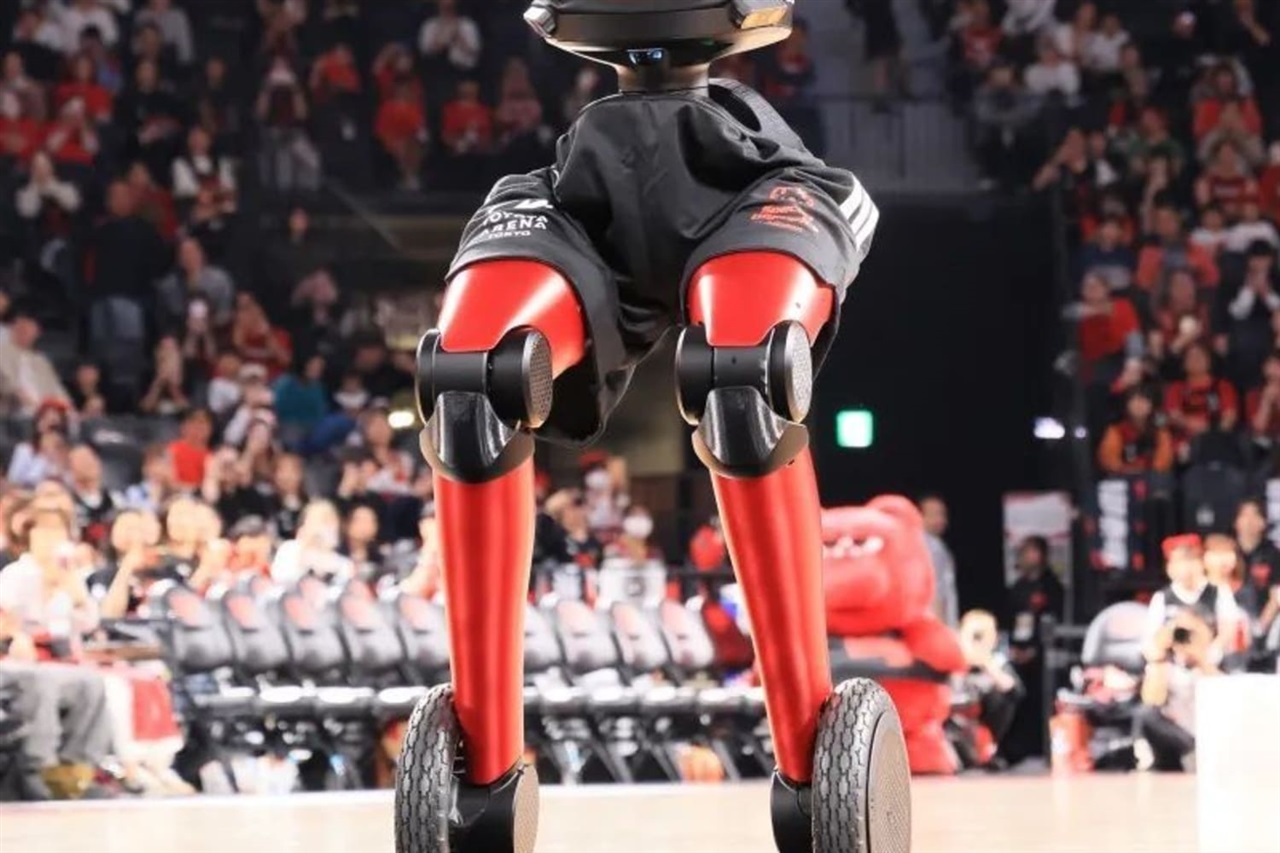
Google pitched Gemini 4 Argon as one model for robot control, simulation and training-data review, saying it s…
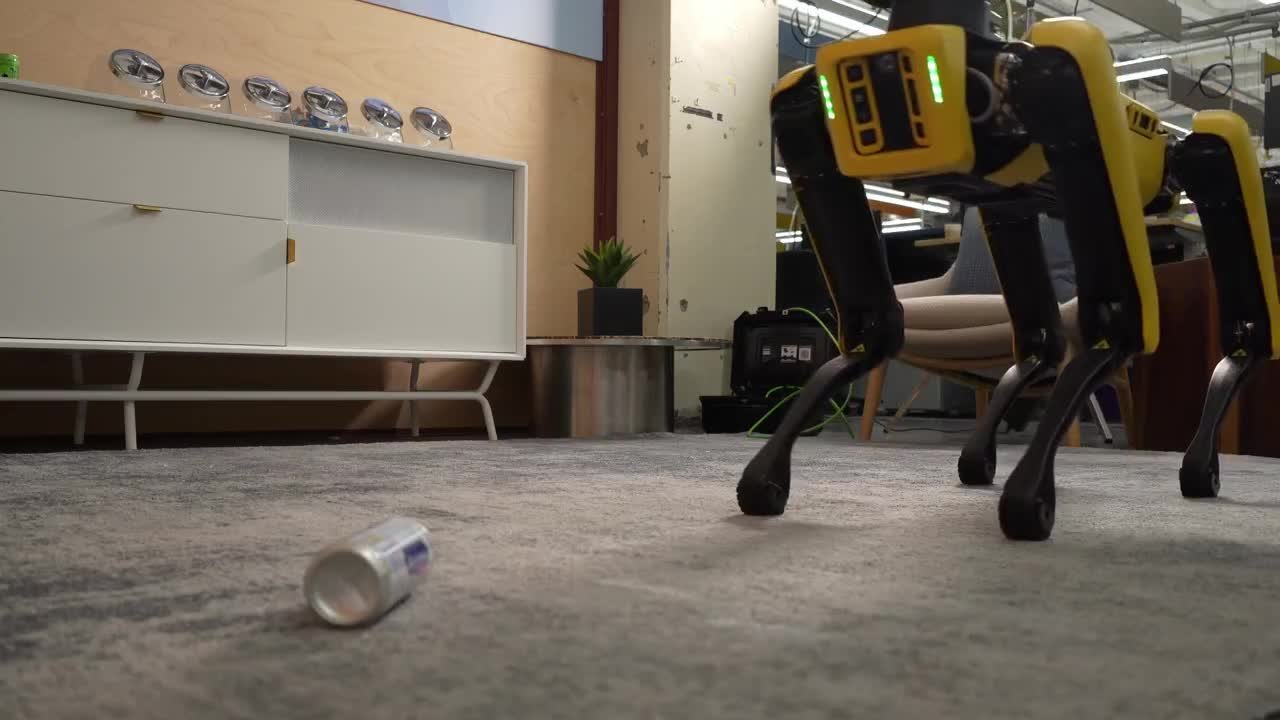
Researcher Sammy Azdoufal discovered Energize Lab's Eiliko robot stores 13 million conversations from 68,000 t…