What happened
Meta and Apple revealed Thursday that developers can run Meta's new open-weight Muse Spark Open model locally on Mac Studio PCs, pairing two to four machines; it's an 816-billion-parameter mixture-of-experts model.
Why it matters
Running the model locally instead of in the cloud adds a layer of security and saves users money, and Apple and Meta declined to say whether the collaboration is the start of a deeper relationship.
WHO IT HITSDevelopers and AI engineers who want to run large open-weight models on their own desks may now find it practical on Mac Studio hardware, though the required M5 Ultra chip and 256GB of memory configuration costs at least $10,799 and needs multiple machines.
Summaries like this, in your inbox every morning.
The announcement follows months of collaboration and marks a thaw in a relationship that had been frosty for years. Apple and Meta, then known as Facebook, partnered on iPhone extensions over a decade ago, but they hadn't struck any public partnerships since 2017, after Apple removed system-level Facebook integration from the iPhone. The relationship hit rock bottom after Apple introduced privacy changes in 2021 that limited ad targeting; Meta estimated in early 2022 that the change would cut its revenue that year by $10 billion. Their leaders also traded harsh words: Tim Cook criticized Meta over privacy during the Cambridge Analytica scandal, and Mark Zuckerberg told Joe Rogan that Apple "hasn't invented anything great since the iPhone." Meta AI chief Alexandr Wang pointed to one member of his team, AI researcher and former Apple director Daniel Gross, as a reason for the collaboration.
The move is not Apple's first AI partnership. In 2024, Apple announced a partnership with OpenAI to integrate ChatGPT into Siri, and earlier this year it announced a deal with Google to use Gemini models in Apple Intelligence and Google Cloud infrastructure. Meta, meanwhile, has bet big on becoming a leading lab but has struggled to keep up, with its business still almost entirely reliant on ads. Recent developments like Meta's Muse personal agent app and its proprietary Muse Wonder model have begun to excite investors. Open source remains part of Zuckerberg's strategy: in August, Meta debuted a small open-weight model called Muse Glimmer, with Zuckerberg pledging to eventually release something bigger and more powerful.
The collaboration comes as open-source AI has become a point of contention in Washington, where politicians worry that free Chinese models could undercut American AI. Meta said Muse Spark Open is the most capable open-weight model released under a license that allows for limited commercial use. The move could also signal Apple's growing strength in AI chips, a market Nvidia has dominated so far due to their prevalence in large data centers.
Pick your industry and the AI tools you use, and get news related to your work every day.
Free · 30 seconds with Google · unsubscribe anytimeWhat is AIToday? →
Ask AI anything about this article. The AI reads this article, earlier AIToday articles, and Wikipedia, and cites its sources. Q&As are published on this page for other readers too.
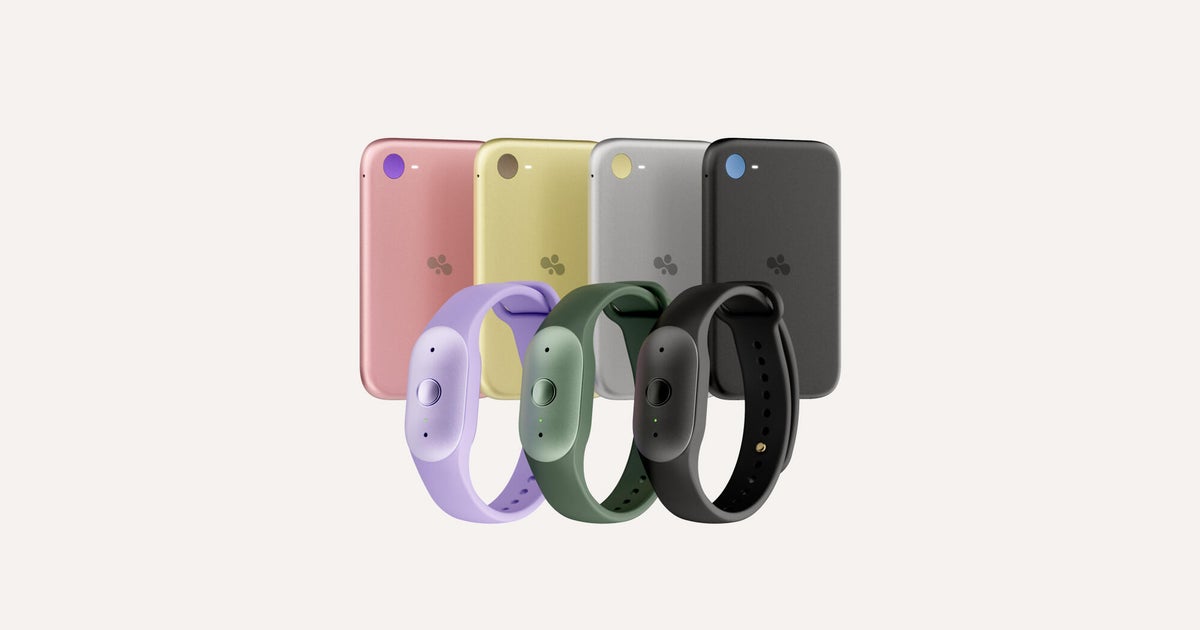
Amazon launched two Bee "personal AI" devices on Thursday: the $74.99 Bee Frontier wristband and the $99.99 Be…
Chip stocks pared losses after a debt-driven AI sell-off

Apple released MLX today, which runs the 816B-parameter Muse Spark Open on four Mac Studios at over 36 tokens…

Bloom Energy stock fell 4% to $229.83, still up 165% year to date, while Caterpillar slipped 3% to $727.55 and…

The S&P 500 closed up 0.33% at 7,744.06 points, as Eli Lilly gained over 3%, UnitedHealth added 2.8% and Walma…

LogicMonitor announced its 2026 Elevate Award winners at its Elevate Community Conference in Chicago, honoring…