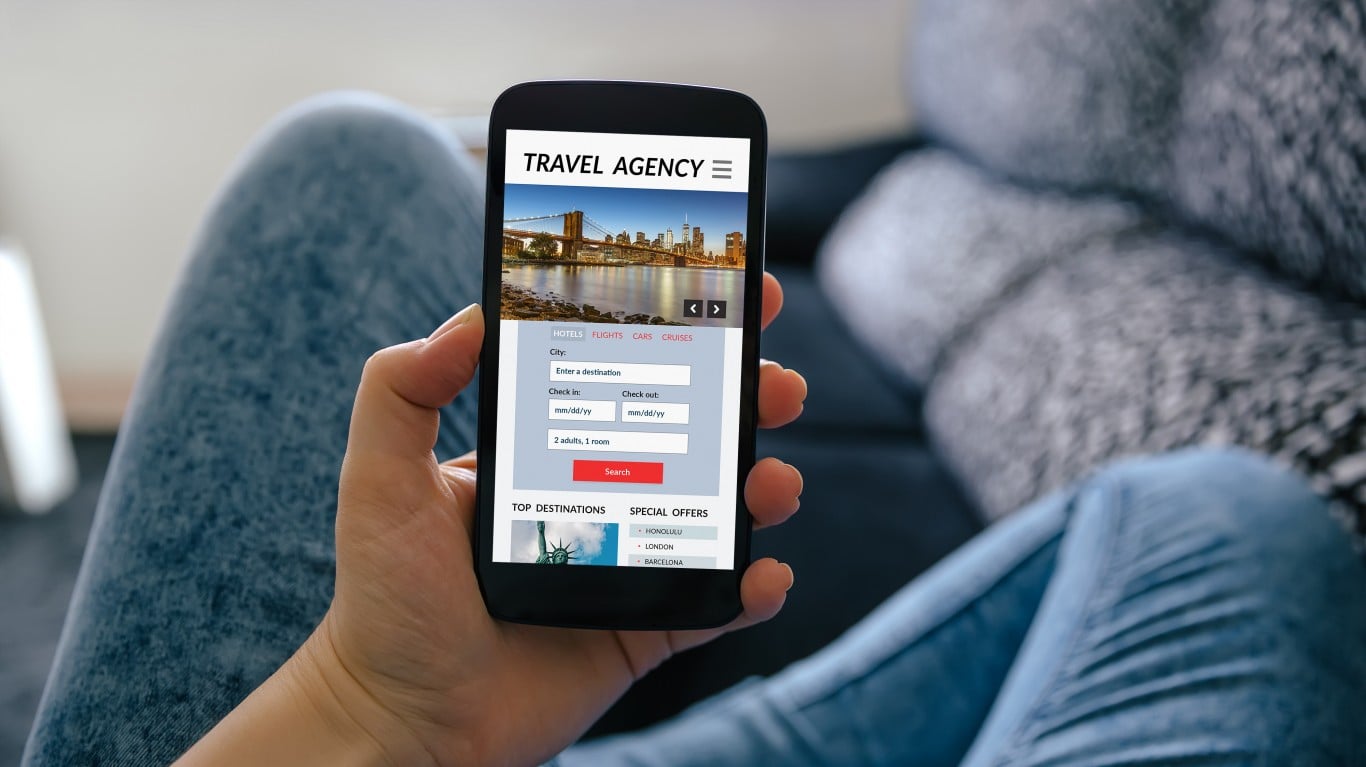
What happened
Meta's Muse shopping agent reached 560,000 daily active users in 11 days, Truist cut price targets on Booking Holdings and Expedia, and Expedia partnered with Muse while Booking stayed out.
Why it matters
Partnering with Muse could teach Meta how travelers shop and let it bypass Expedia later, while Booking's direct channel and widely processed payments may keep it essential to AI agents.
What to watch
Booking's approach hinges on whether large language model traffic stays below 1% of room nights and its consumer direct mix holds in the mid-60% range; watch for any climb above those levels.
WHO IT HITSOnline travel agencies and their investors face pressure from AI shopping agents, as Meta's Muse can influence how travelers book and where margins go. Independent hotels that lack their own booking technology may remain reliant on platforms like Booking to reach AI agents.
Summaries like this, in your inbox every morning.
Meta's launch of Muse, a shopping agent that reached 560,000 daily active users within 11 days, prompted Truist to cut price targets on both Booking Holdings and Expedia on the same day. The two online travel agencies chose opposite responses: Expedia integrated with Muse for travel booking, while Booking stayed out and relied on its direct consumer channel. Booking's direct mix held in the mid-60% range for four quarters, and large language models send significantly below one percent of its room nights, giving it less incentive to partner. Expedia's B2B revenue, which powers other brands' travel sites, grew 23% last quarter, aligning with its partnership approach.
The broker noted that Meta poses greater downside risks to OTAs given its strong consumer position, but also admitted that the extent to which Muse or other AI agents will affect OTA bookings share remains highly uncertain. Retailers showed a similar split, with Amazon blocking Muse while Walmart, Wayfair and Sephora joined as launch partners. Meta's chief executive said Meta will profit from a small transaction fee, a toll that would likely come out of travel sellers' margins.
Booking looks better placed of the two, with revenue of $7.35 billion beating estimates, Transformation Program savings targeting about $650 million by the end of 2027, and a hotel base further from Muse. Expedia posted 14% revenue growth and raised guidance, but its partnership strategy leaves it more exposed if Meta's fee pressures partner economics. The outcome hinges on whether Booking's large language model traffic stays tiny and its direct mix holds, or whether those measures shift enough to make its standalone stance costly.
Pick your industry and the AI tools you use, and get news related to your work every day.
Free · 30 seconds with Google · unsubscribe anytimeWhat is AIToday? →
Ask AI anything about this article. The AI reads this article, earlier AIToday articles, and Wikipedia, and cites its sources. Q&As are published on this page for other readers too.
Applied Materials reported record revenue for its fiscal third quarter on Aug

Eli Lilly's Brian Lewis detailed LillyPod at CoreWeave's Fully Connected 2026, an Nvidia DGX SuperPOD B300 sys…

Berkshire invested an additional $10 billion in Alphabet via private stock purchase, buying $5 billion of Clas…
Sell ratings are 13.1% of 61 analyst recommendations on Tesla — the lowest share since April 2023, down from a…

On Micron's fiscal Q4 2026 earnings call, CEO Sanjay Mehrotra said humanoid robots are expected to need memory…

Marvell Technology trades at 25.1 times sales versus 3.0 times for the S&P 500, with 79% of fiscal Q2 2027 rev…