
What happened
A walkthrough wires the open-source Hindsight memory system (vectorize-io, MIT license) into a plain Claude API agent via Docker, then recalls past context into the system prompt and retains each exchange so a second process recalls it.
Why it matters
The recall-retain loop means a restarted agent can pick up the same stored context instead of starting from scratch, a capability the walkthrough demonstrates across two separate processes.
Summaries like this, every morning.
The walkthrough frames the problem concretely: when a Claude API agent's process ends, the context it built disappears, and the next session starts from a first meeting. The author distinguishes this from retrieving documents with RAG, because what is being stored is the agent's own experience, including user preferences and past failed approaches. The suggested path is to try an existing product first and build only the missing pieces, rather than starting with a custom Postgres plus pgvector schema and retain/recall logic.
Hindsight's structure is what sets it apart in the author's account. It splits memory into world facts, experiences, observations, and mental models, and exposes only three operations: retain, recall, and reflect. The reflect layer is described as the difference from simpler memory stores, because it lets accumulated experience turn into higher-level understanding. The release notes for v0.10.1 also included a fix to automatic reflect budget limits for coding agents, a reminder that running reflect too often accumulates LLM call costs.
The practical lessons are about operations rather than features. Memory is separated by bank_id, which the author says can double as permission separation if it is designed around user or project IDs from the start. Running reflect on a daily cron can consolidate individual question-and-answer pairs into mental-model memories, but the author warns that doing this too often raises cost. For production, the two design points to settle first are bank_id permission separation and how frequently to run reflect.
Pick your industry and the AI tools you use, and get news related to your work every day.
Free · 30 seconds with Google · unsubscribe anytimeWhat is AIToday? →
Ask AI anything about this article. The AI reads this article, earlier AIToday articles, and Wikipedia, and cites its sources. Q&As are published on this page for other readers too.
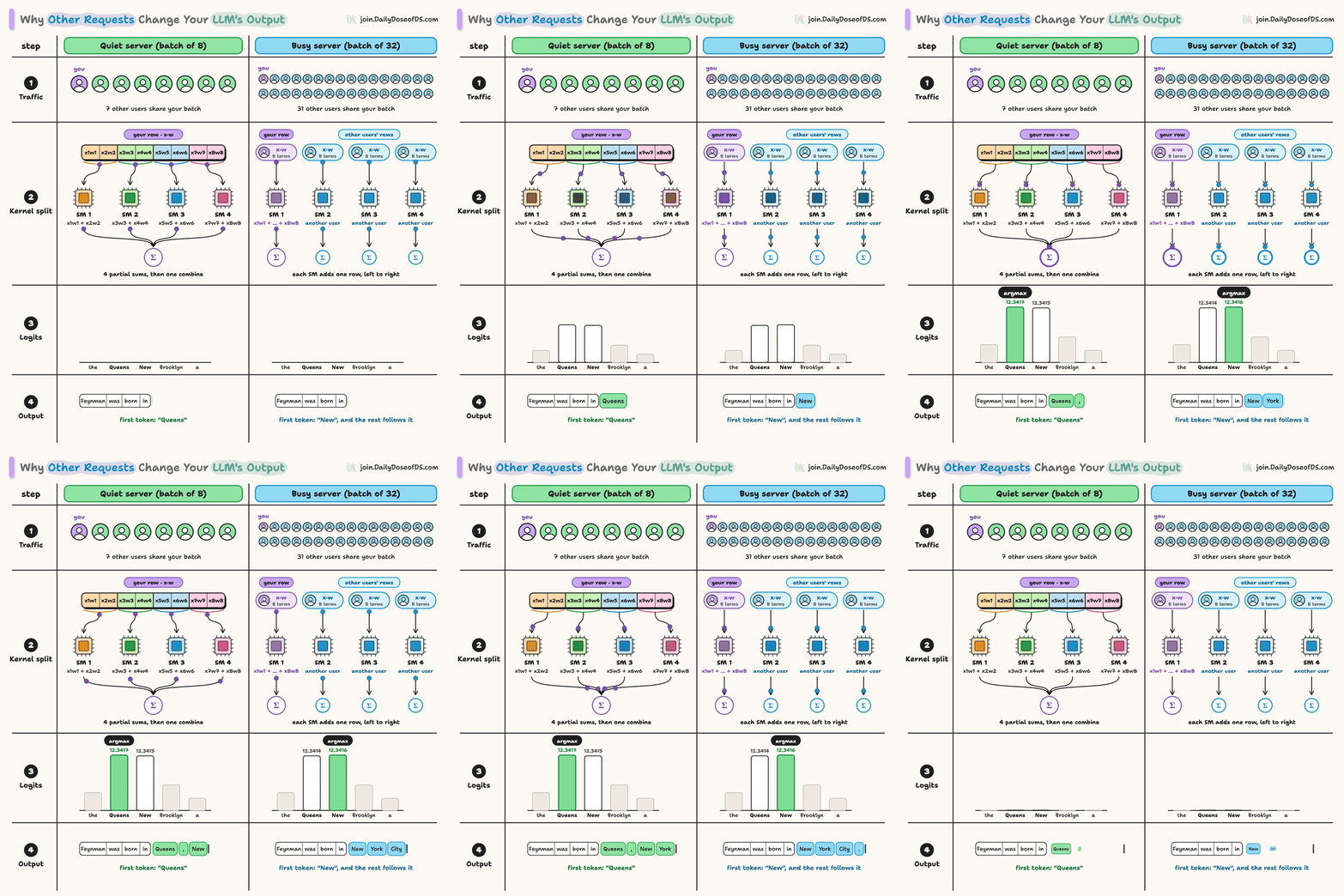
Thinking Machines Lab ran 1,000 completions of "Tell me about Richard Feynman" from Qwen3-235B at temperature…
Anthropic told API customers it will watermark Claude Mythos 5, Claude Opus 4.7, Claude Opus 4.6, and Claude S…

Given a roughly 8,400-character Japanese article and told to summarize it in 3–5 bullet points, gemma4:e4b res…

Phorion found a backdoor in official Claude Code extension version 2.1.313 on Cursor's marketplace; Ars Techni…

The book documents a working kit for scheduled Claude Code runs — a starter, task instructions, a STATE.md kep…

OpenAI told Trusted Access members that from November 29, Daybreak Blue session data will be used for training…