What happened
The author builds a browser-based potential field method simulator, showing the method's two forces — attraction to the goal and repulsion from obstacles — make a robot slide down a potential "slope" in about 20 lines of gradient code. But when obstacles are arranged in a U shape with the goal in the middle, the robot stops at the entrance, unable to escape.
Why it matters
The local minimum means the simple "always go downhill" strategy — cheap enough to run on a few-thousand-yen microcontroller without a GPU — needs a fallback like RRT, which can reach the goal by randomly growing a search tree but produces jagged paths.
Summaries like this, in your inbox every morning.
The potential field method dates back to the 1980s and is still in active use for factory transport robots and drone autopilot. The reason is not sophistication but extreme lightness: unlike deep learning, it needs no GPU, and a microcontroller costing a few thousand yen can recompute a path in real time.
The body walks through a numeric example to show why the method works and where it breaks. At the start, the obstacle at (5, 0) is outside the repulsion radius d_0=3.0, so the robot moves straight right. As it approaches within 0.1 of the obstacle, the repulsive gradient spikes to about 483.35, overpowering the attractive gradient of 5.1 and pushing the robot back — collision avoided. The trouble comes when the obstacle geometry creates a pocket: the forces cancel, and the robot stops at the U's entrance.
In practice, cap the maximum number of steps (for example, 1000), add random disturbance when movement becomes tiny, and treat obstacles as inflated by the robot's radius plus a safety margin — a 60cm-wide transport robot would enlarge obstacle radii by 30cm. The realistic answer, it concludes, is to combine the potential field method with something like RRT: smoothness from one, reachability from the other.
Pick your industry and the AI tools you use, and get news related to your work every day.
Free · 30 seconds with Google · unsubscribe anytimeWhat is AIToday? →
Ask AI anything about this article. The AI reads this article, earlier AIToday articles, and Wikipedia, and cites its sources. Q&As are published on this page for other readers too.
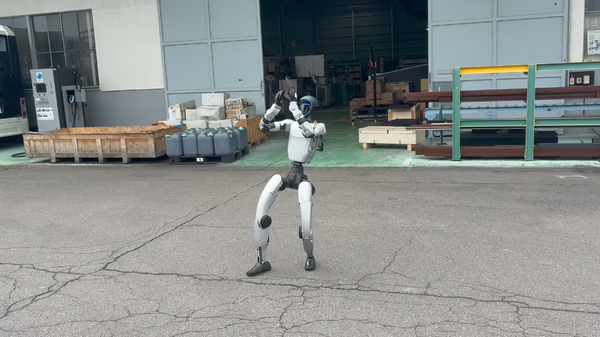
Kakuichi's incoming new-graduate humanoid, Miyazawa Noah, arrived at the company and demonstrated dancing and…
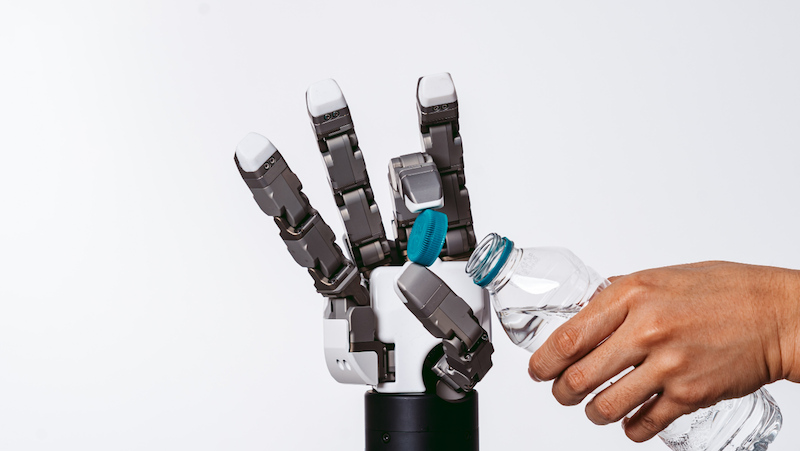
Tesollo expects cumulative sales of its robotic hands and grippers to exceed 1,000 units by the end of 2026, a…
ASTM International's robotics committee (F45) is developing proposed method WK100792, which measures how degra…
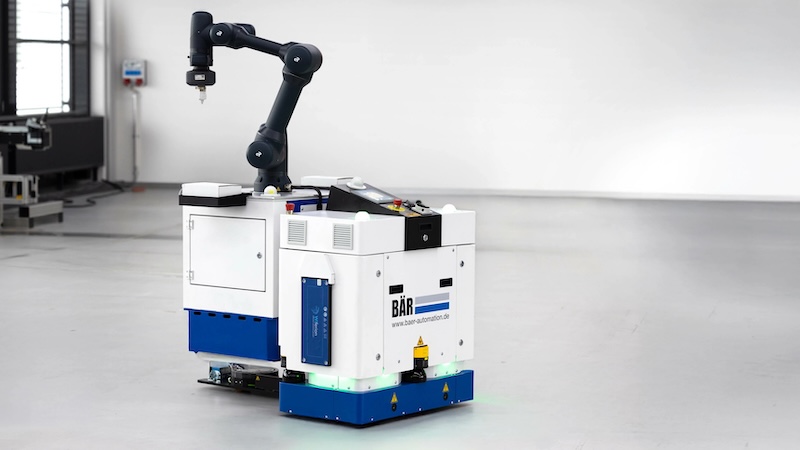
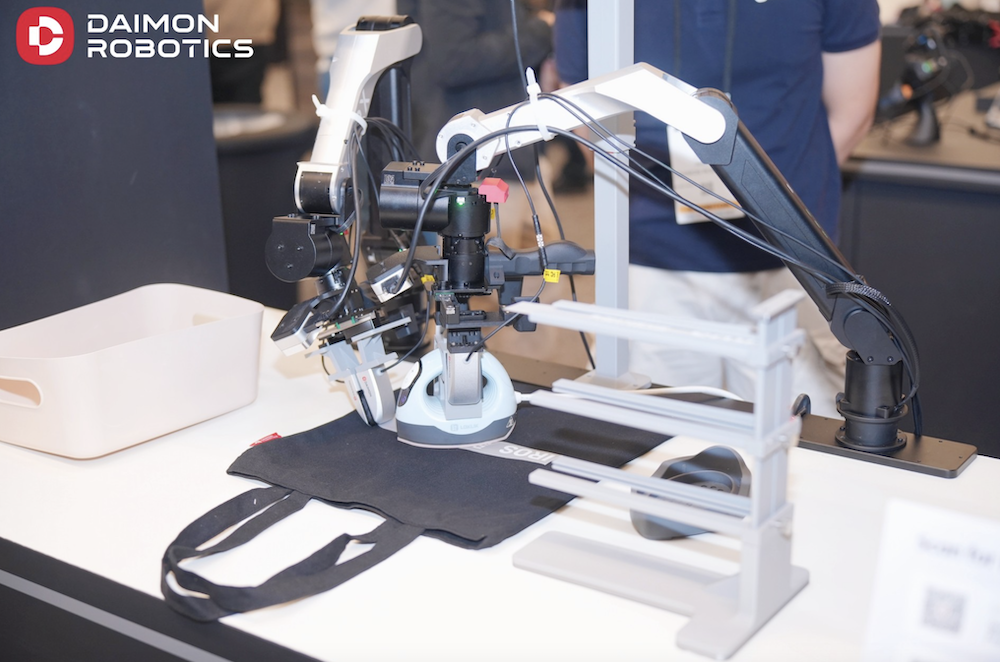
Daimon Robotics is building a pipeline linking tactile sensing, data collection, simulation, and AI models, wi…
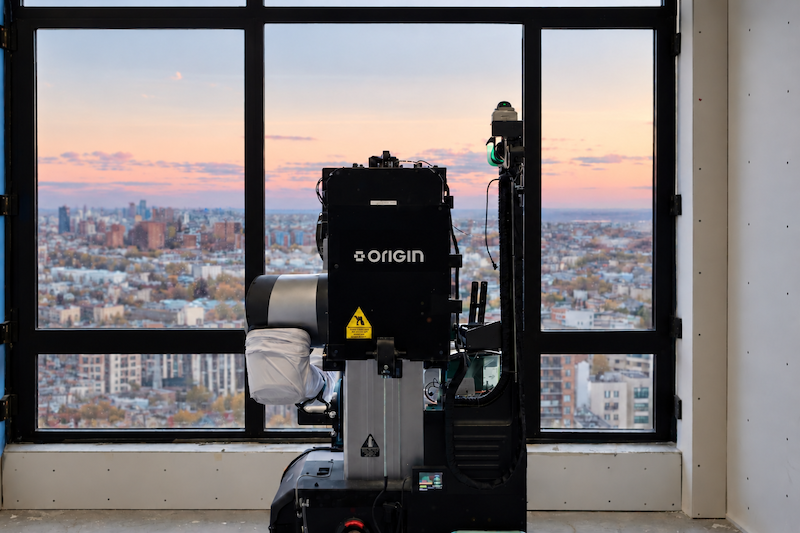
Origin exited stealth with $20 million in total funding co-led by Accel and Zacua Ventures, and its OG-1 robot…
AWS released the Physical AI Toolchain on AWS, a publicly available collection of reference architectures, Inf…