
What happened
Riyaaz Shaik and Chandru Venkataraman introduced REVERSAL-BENCH, which controls reversibility via a parameter ρ∈ [0, 1] and provides a reset oracle. Testing policy architectures across eight manipulation settings in five physics engines revealed reset-free agents get absorbed into irrecoverable states as ρ rises, while episodic agents keep steady learning.
Why it matters
The breakdown appears causally driven by irreversibility, not obstacle complexity, since geometrically identical reversible counterparts did not fail the same way. Any transition into an irrecoverable state permanently traps reset-free agents, halting further learning.
What to watch
A safety shield that intervenes before irreversible failures showed recoverability can be predicted accurately, but active recovery mainly succeeds only when the agent can physically steer clear of the trap. The team released the benchmark suite, a labeled multi-simulator dataset, and the reset oracle.
WHO IT HITSRobotics and autonomous-agent researchers building reset-free training pipelines face a measured limit on where those methods hold up. Teams relying on safe RL or constrained RL to avoid unrecoverable states may find these techniques do not prevent absorption once irreversibility rises.
Summaries like this, in your inbox every morning.
The premise behind autonomous reinforcement learning is continuous policy training without external resets — an agent that keeps learning on its own. That premise has quietly rested on an assumption: that the environment is reversible, meaning mistakes can be undone. In real-world manipulation, they often cannot. Pushing an object off a table or spilling a granular substance is not something an agent can reverse.
REVERSAL-BENCH was built to test that assumption directly. By controlling reversibility through a continuous parameter ρ∈ [0, 1], and by adding a reset oracle to verify state recoverability, the authors could dial irreversibility up and watch what happened across eight manipulation settings in five physics engines. The result was a sharp reversibility cliff: reset-free agents were consistently absorbed into irrecoverable states as ρ increased, while episodic agents maintained steady learning. The failure showed up across autonomous reset-free baselines and constrained RL, and persisted in full physics simulations under learned manipulation policies.
The authors also ran a control that matters for interpretation. By comparing against geometrically identical reversible counterparts, they confirmed the breakdown was causally driven by irreversibility rather than obstacle complexity — the same layout, made reversible, did not produce the same failure. A safety shield that intervenes before irreversible failures could predict recoverability accurately, but active recovery mostly worked only when the agent could physically steer clear of the trap. The stakes therefore hinge on whether recovery is physically available at all, not just predictable.
For example, today's edition would include:
AI-summarized, only the topics you pick — one digest a day via Email, Slack, or Discord.
Free · 30 seconds with Google · unsubscribe anytimeWhat is AIToday? →
Ask AI anything about this article. Q&As are published on this page for other readers too.
At Workiva's Amplify event, theCUBE Research analyst Krista Case said firms must trace where AI insights came…

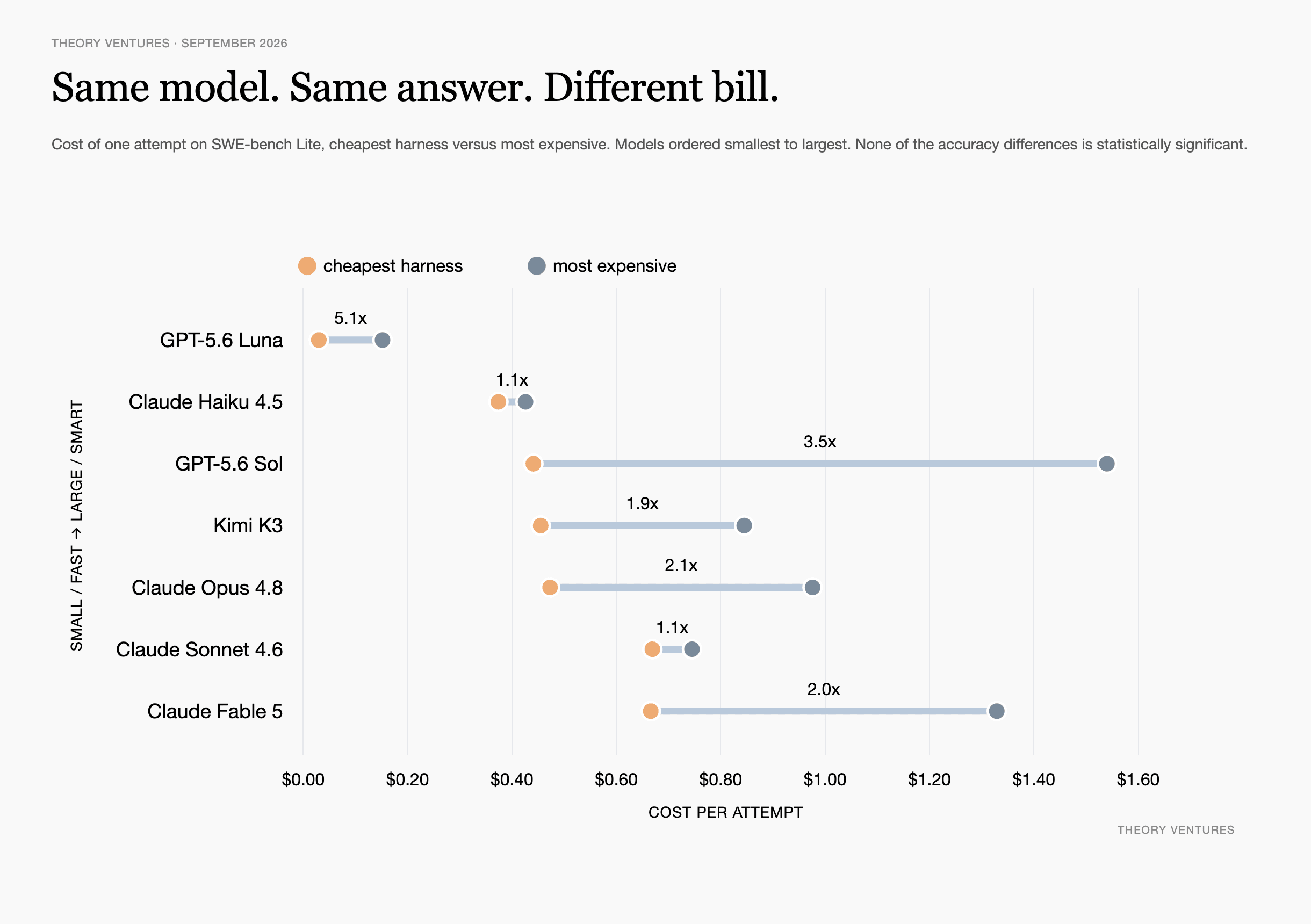
A UC Berkeley study found GPT-5.6 Sol costs 71% less on Pi than on Claude Code, returning the same result, and…
Anthropic rebuilt the Projects feature in Claude Code

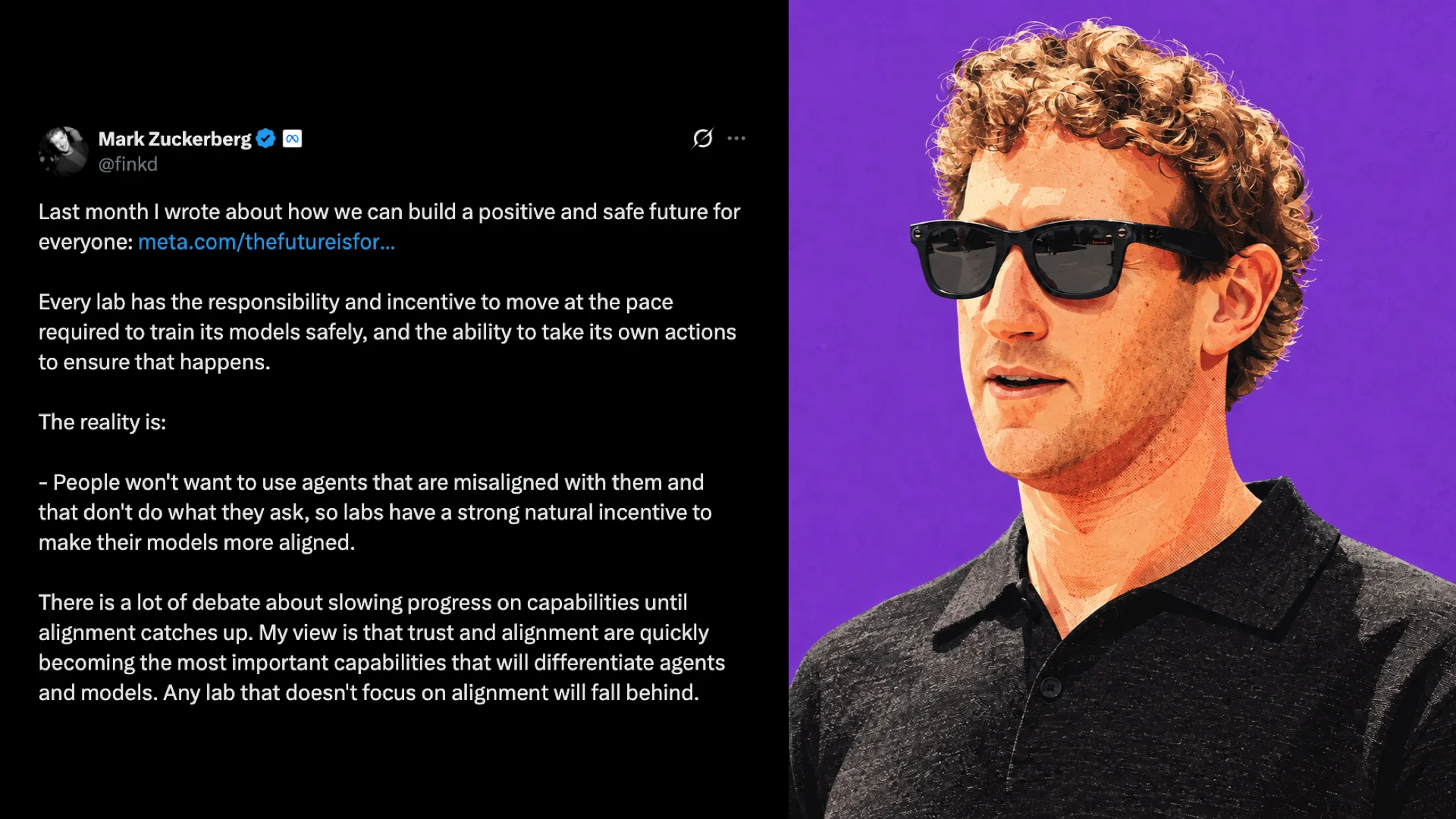
Zuckerberg pushed back on coordinated AI slowdown calls on September 15, saying Meta delayed its Muse agent fo…
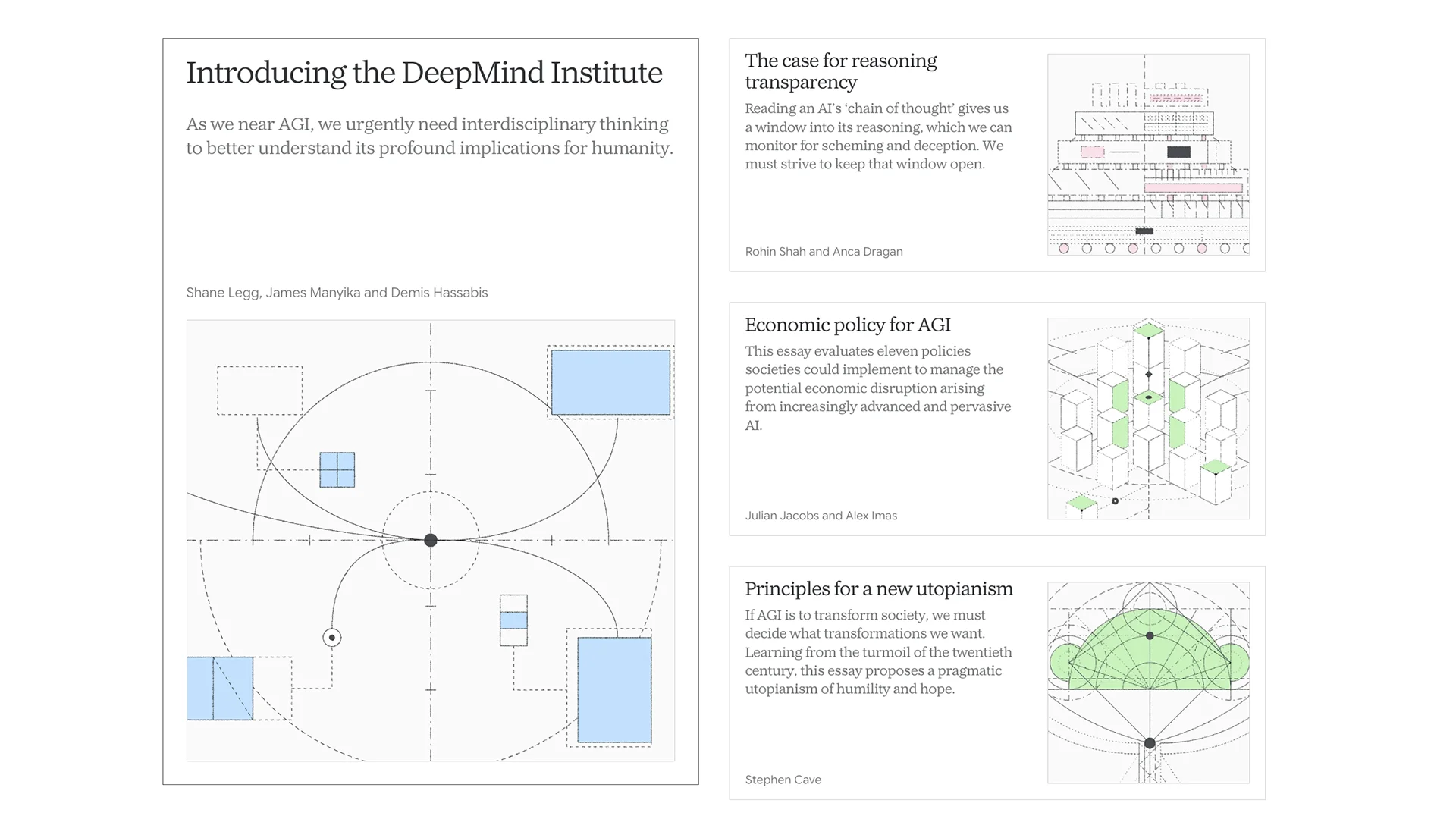
Google DeepMind launched the DeepMind Institute on September 16, 2026, led by Demis Hassabis, Shane Legg and J…
Trump posted that AI's only needed guardrail is "a STRONG AND SMART (High IQ!) PRESIDENT." Since Trump v