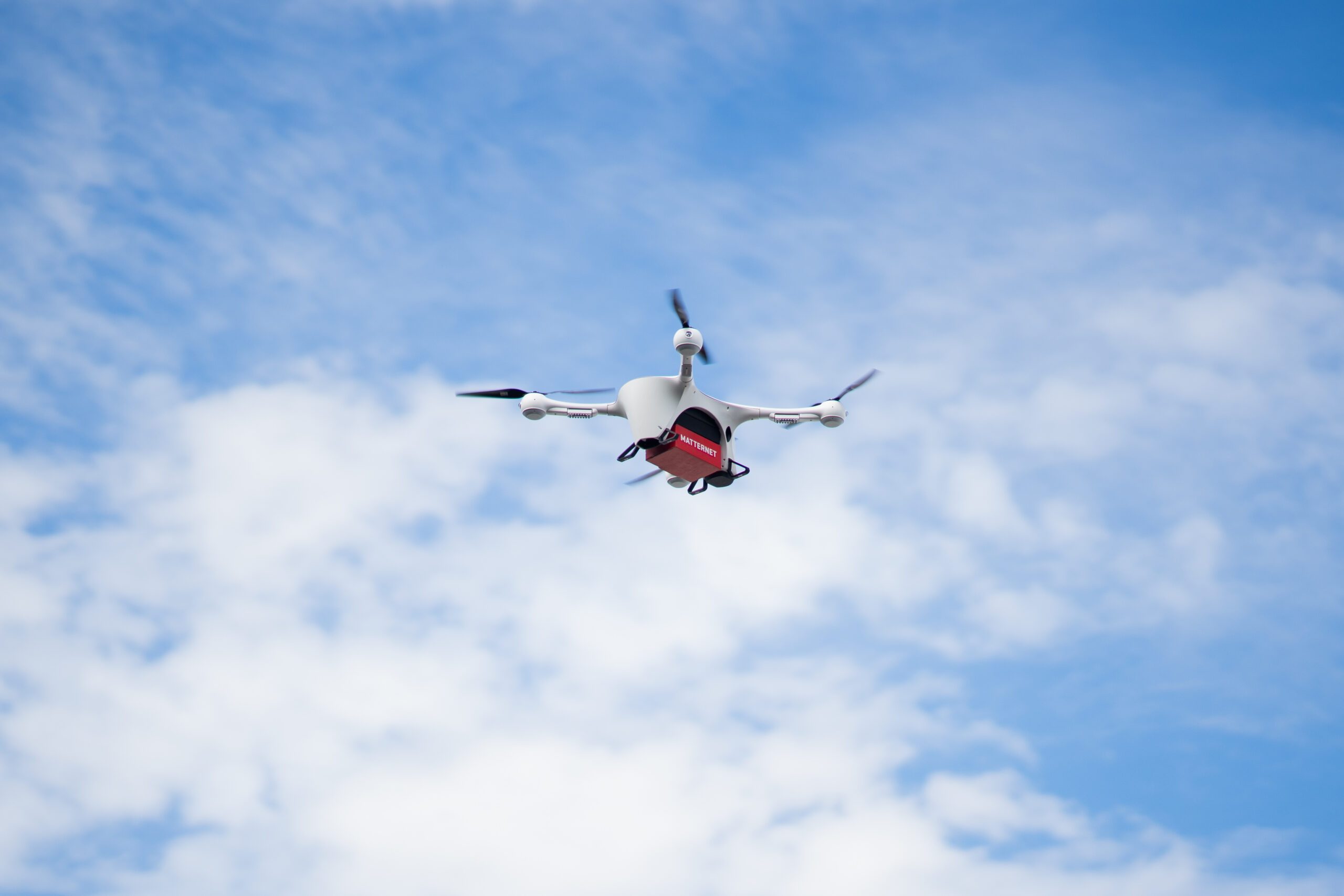
Amprius Technologies silicon anode lithium-ion cells now power Matternet's M2 drone, with the companies planning deeper integration into Matternet's next-generation platform, targeting production readiness aligned with Matternet's planned fleet expansion beginning in early 2027.
Amprius silicon anode cells can deliver up to twice the energy density of traditional graphite-based lithium-ion batteries, which in aviation applications can reduce battery weight while increasing aircraft endurance and payload capability.
Matternet has conducted more than 60,000 commercial flights across the U.S. and Europe and was the first drone delivery operator to receive FAA Type Certification for a delivery drone platform in the United States.
Summaries like this, in your inbox every morning.
Pick your industry and the AI tools you use, and get news related to your work every day.
Free · 30 seconds with Google · unsubscribe anytimeWhat is AIToday? →
Ask AI anything about this article. The AI reads this article, earlier AIToday articles, and Wikipedia, and cites its sources. Q&As are published on this page for other readers too.
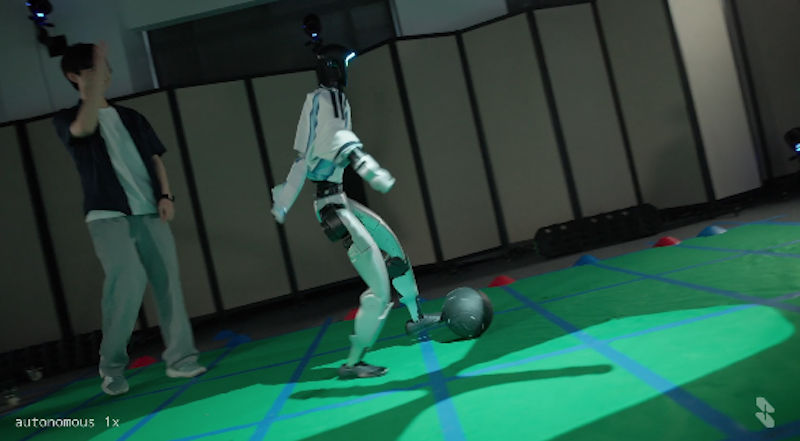
Skild AI used Nvidia Isaac Sim to give its S1 model one objective — score a goal — and let it compete against…
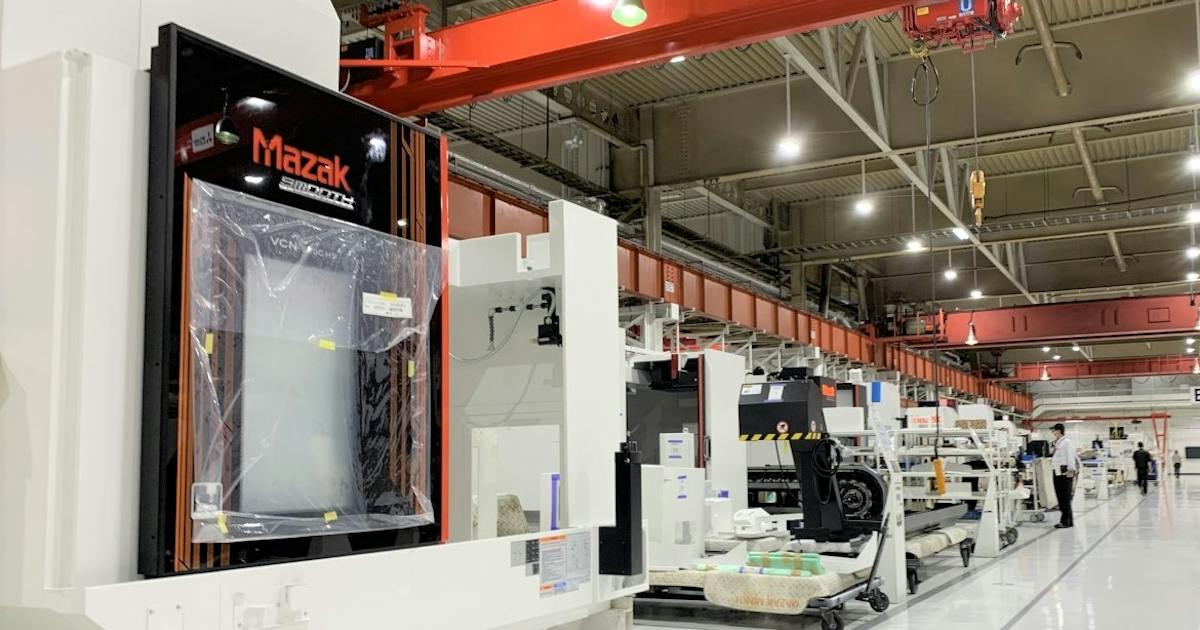
Yamazaki Mazak and ABEJA said on the 16th they will start joint development of physical AI, using ABEJA's ABEJ…
Toyota Motor's Japan Mobility Show Bizweek 2026 booth centers on its AI basketball robot CUE7, has no other ex…

Japan Mobility Show Bizweek 2026 showcased Physical AI applications, including Toyota's basketball-playing rob…

Google pitched Gemini 4 Argon as one model for robot control, simulation and training-data review, saying it s…
Researcher Sammy Azdoufal discovered Energize Lab's Eiliko robot stores 13 million conversations from 68,000 t…