What happened
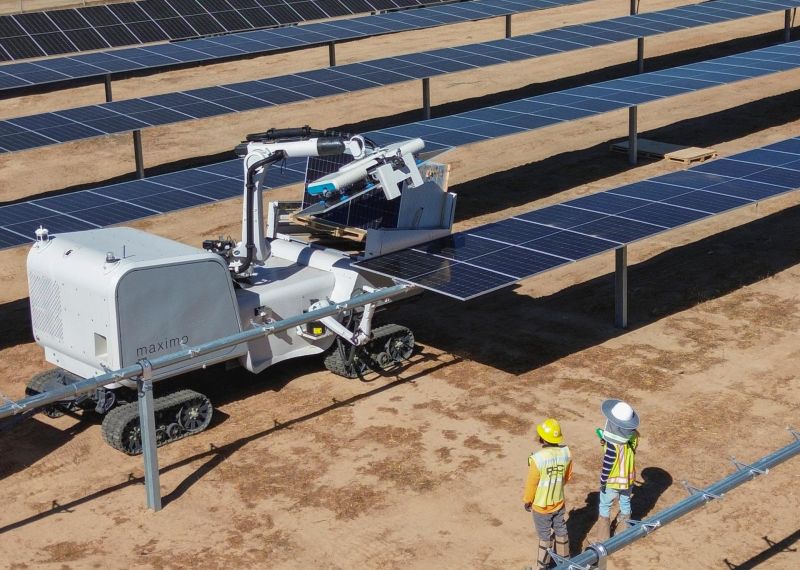
AES's Maximo, an AI-powered robotic system, has installed more than 180,000 solar modules representing more than 100 MW of generating capacity on utility-scale solar construction sites. Robots using Maximo have exceeded 500 installations per day, and crews using the technology install up to 24 modules per person per shift hour. In December 2025 and January 2026, the system reached an installation pace of 20 MW a month, prompting two of the five largest engineering, procurement, and construction (EPC) firms in the country to fast-track their technology evaluation.
Why it matters
Unlike most robotics ventures still in prototype stage, Maximo has moved from pilot programs to being integrated into standard construction workflows. The shift happened because customers, facing labor shortages and increasingly heavy solar modules, now count on the system to meet contractual deadlines—transforming robotics from an experiment to a risk-reducing tool. Maximo delivers installation rates more than double the industry average and can shave up to two months off utility-scale timelines, addressing the pressure EPCs face to accelerate projects while managing workforce constraints.
What to watch
AES is exploring automation in material handling and site logistics—the movement of modules, pylons, and components across active construction sites—as the next major opportunity. The company is also monitoring how panel manufacturers are beginning to adjust hardware designs with automated installation in mind, suggesting that robotics is starting to influence upstream product development in the renewable energy sector.
Summaries like this, in your inbox every morning.
Maximo represents a rare case of physical AI moving beyond prototype to commercial scale, but the path reveals a crucial advantage: institutional access to real-world deployment sites from day one. Developed inside AES Next and tested immediately on the parent company's active solar projects in the desert, Maximo avoided the years of chasing pilot sites that most robotics startups face. This speed to the field—testing in actual heat, terrain, and crew conditions rather than controlled labs—allowed the system to mature under pressure, learning to handle unpredictable environments (moving equipment, personnel, terrain changes) without requiring customers to redesign their own workflows.
The shift in customer perception occurred when installation volumes proved both reliable and transformative. By December 2025 and January 2026, Maximo had demonstrated a 20 MW per month pace, prompting two of the country's five largest EPCs to fast-track evaluation. Customers were no longer asking whether the robot worked in theory; they were asking whether it could reduce project risk and timeline pressure. On those metrics, Maximo delivered: installation rates more than double industry average and up to two months shaved from utility-scale project timelines. The convergence of labor shortages, heavier modules, and deadline pressure created genuine demand, but trust came from proven field performance and seamless integration into existing processes.
Looking forward, AES sees material handling and site logistics—the movement of components across active sites—as the next frontier, with technology already close to utility-scale automation. The fact that panel manufacturers are beginning to design hardware with automated installation in mind suggests that robotics adoption is starting to influence upstream product development, a sign that the sector views physical AI as a lasting tool rather than a temporary experiment.
Pick your industry and the AI tools you use, and get news related to your work every day.
Free · 30 seconds with Google · unsubscribe anytimeWhat is AIToday? →
Ask AI anything about this article. The AI reads this article, earlier AIToday articles, and Wikipedia, and cites its sources. Q&As are published on this page for other readers too.
Michelle Lu, co-founder and CEO of Vsim Technology, appeared on Robot Talk Episode 164 to discuss using simula…

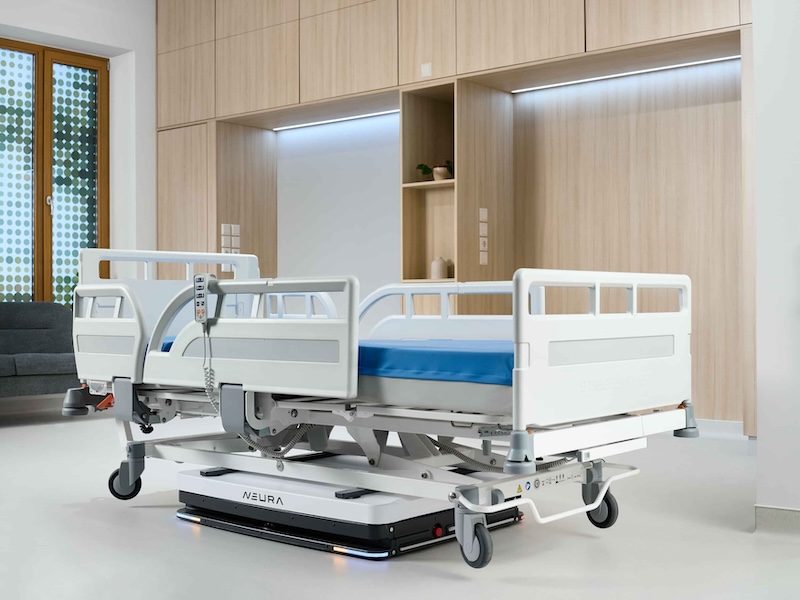
Neura Robotics set up Neura HealthTech, led by Sven Lange, to bring an autonomous mobile robot for empty-bed a…
Anthropic's new study says that if robot prices decline along past trends, it will take 40 years for robots to…
Astribot debuted its T1 humanoid to North America at IROS 2026, held September 27 to October 1 in Pittsburgh…
EQUES opened its Naraha Town office on September 8, and in 2026 began an 'Energy AI' business applying physica…

Flexiv demonstrated four force-controlled robot setups at IROS 2026, including a dual Rizon 4 teleoperation sy…