What happened
The OECD's latest PISA assessment found students who used AI moderately—about once a month to once or twice a week—recorded higher average science scores than rare or daily users, with 86% of students across OECD countries having used AI chatbots for schoolwork.
Why it matters
Students who used AI almost every day and those who rarely used it tended to have lower science scores, while weekly users performed at about the same level as nonusers after accounting for socioeconomic status, suggesting a shift from the assumption that any AI use harms learning.
What to watch
The findings say critical-thinking skills are declining, with the share of 'hasty readers' almost doubling between 2018 and 2025, so the test is whether schools can guide purposeful, moderate use rather than leaving students to unguided daily reliance.
WHO IT HITSSchool administrators, teachers, and education policymakers deciding how to set AI-use guidelines will find that blanket bans or unrestricted daily use both miss the moderate range linked to stronger science scores. Parents monitoring their children's study habits may also see the daily-use group as a warning sign.
Summaries like this, every morning.
The OECD's latest PISA assessment arrives at a moment when schools are still wrestling with whether to embrace or restrict AI chatbots. The report itself notes that reading, mathematics and science scores have been dropping since 2003, so AI is not the sole culprit behind declining results. What the data adds is a more granular picture: 86% of students across OECD countries have used AI chatbots for at least one schoolwork purpose, and about one in five use it almost every day. Within that group, the report describes a feedback loop—students who struggle to read critically may find it harder to spot incomplete or incorrect AI answers, while routinely letting AI handle reading, summarizing or reasoning could deprive them of chances to build those very skills.
The report's own framing is careful. It states that the relationships do not necessarily imply a negative impact of AI on science performance, and that moderate, intentional use may be positively related to student performance. The analogy it offers—that learning does not occur through consumption of content but through a productive cognitive struggle with new material—suggests the concern is less about AI itself than about how it is used. The finding that weekly users performed about the same as nonusers after accounting for socioeconomic status reinforces that the difference may lie in purpose and moderation rather than in access alone.
What the outcome ultimately hinges on is whether schools can translate this nuance into practical guidance. If the decline in skills like evaluating information and making connections across multiple sources continues—and the report calls this decline 'most troubling'—the pressure will be on educators to design AI use that supports cognitive struggle rather than replaces it. The test is whether guidance can steer students away from unguided daily reliance without discarding the moderate use linked to stronger performance.
Pick your industry and the AI tools you use, and get news related to your work every day.
Free · 30 seconds with Google · unsubscribe anytimeWhat is AIToday? →
Ask AI anything about this article. The AI reads this article, earlier AIToday articles, and Wikipedia, and cites its sources. Q&As are published on this page for other readers too.
FlashLabs started offering Orca Connect for OrcaRouter, which adds local runtimes such as Ollama, vLLM and LM…

Anthropic's prospectus discloses SpaceX compute agreements of up to $120.5 billion through 2029, with monthly…

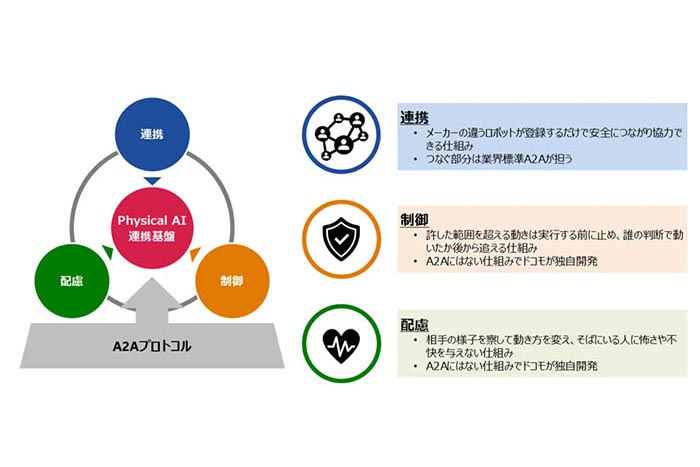
NTT Docomo developed "Physical AI連携基盤," which unifies linking AI agents to robots, controlling permitted actio…
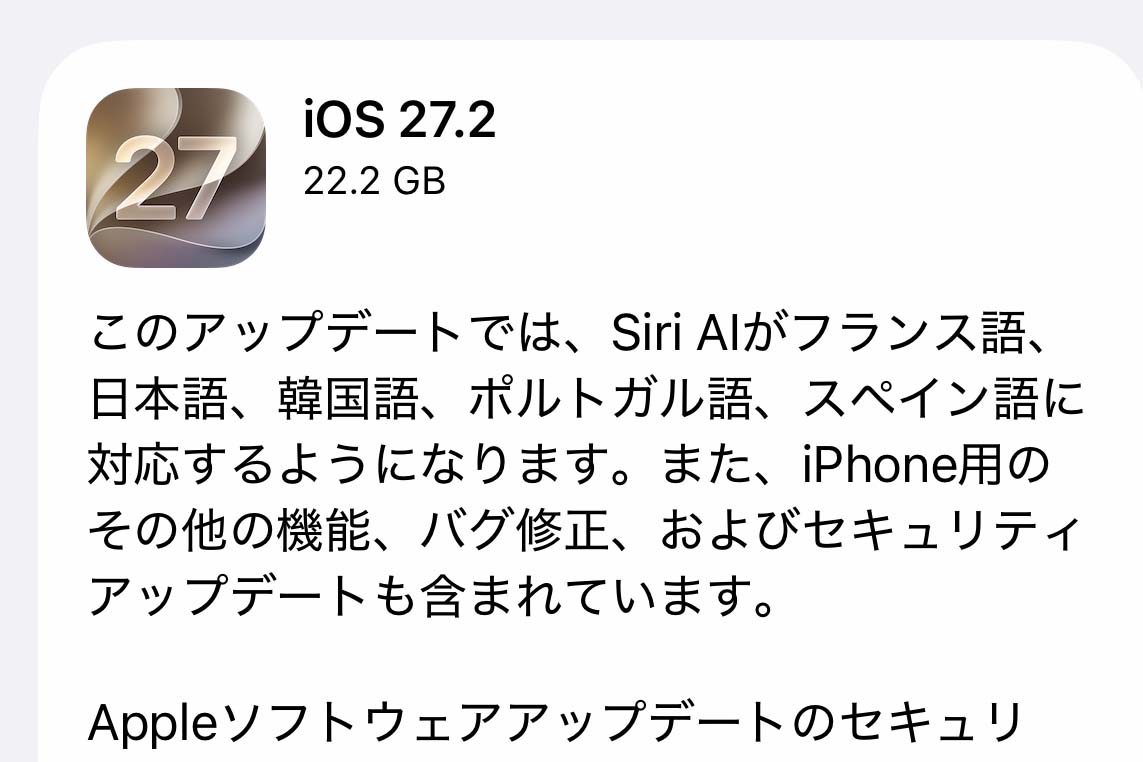
Apple released iOS 27.2, bringing Siri AI to iPhone 16 and later plus iPhone 15 Pro and Pro Max, with support…
chrome-use, an Apache-2.0 CLI and MCP server, connects agents such as Claude Code, Codex and Cursor to your ev…

Folkbench published a guide, reworked for Japanese readers on Zenn, laying out four checks for AI relays used…