
What happened
KAIST researchers presented TAC-CoT, accepted to EMNLP 2026 Main, which keeps tool calls and answers as explicit text while converting intermediate reasoning into latent representations. It reports up to 8.8-point accuracy gains and up to 6.8x fewer model forward passes than explicit chain-of-thought baselines.
Why it matters
Explicit chain-of-thought raises latency and cost through heavy token generation, while fully implicit reasoning drops the textual signals agentic pipelines rely on for tool dispatch and answer extraction. TAC-CoT preserves those signals while cutting overhead, with no reported trade-off between accuracy and efficiency.
WHO IT HITSEngineering teams running agentic AI pipelines at scale, particularly those weighing token cost and latency against reliability of tool calls, may see a direct throughput and infrastructure cost lever in the reported forward-pass reductions. The gains are benchmark results from a paper, so real-world deployment effects are still to be shown.
Summaries like this, every morning.
The paper sits at a fork in how AI models are made to reason. TAC-CoT splits the difference by keeping only the externally visible moments — tool calls, observations and final answers — as text, while the intermediate steps stay latent.
The reported numbers come from three benchmark families: agentic math (GSM8K, SVAMP), multi-hop QA (HotpotQA, 2WikiMultihopQA) and ToolBench for single- and multi-tool use. The efficiency result is not uniform across them: the 6.8x forward-pass reduction appeared on QA benchmarks, while math tasks showed up to 2.6x reductions. The authors report no trade-off between the accuracy gain and the efficiency gain, which is the claim most likely to draw scrutiny at EMNLP 2026 Main.
For teams building agentic workloads, the appeal is that orchestration layers keep working without paying the full token overhead of explicit reasoning. Whether that holds outside the benchmark setups, and at production scale, is not established by the paper as described.
Pick your industry and the AI tools you use, and get news related to your work every day.
Free · 30 seconds with Google · unsubscribe anytimeWhat is AIToday? →
Ask AI anything about this article. The AI reads this article, earlier AIToday articles, and Wikipedia, and cites its sources. Q&As are published on this page for other readers too.
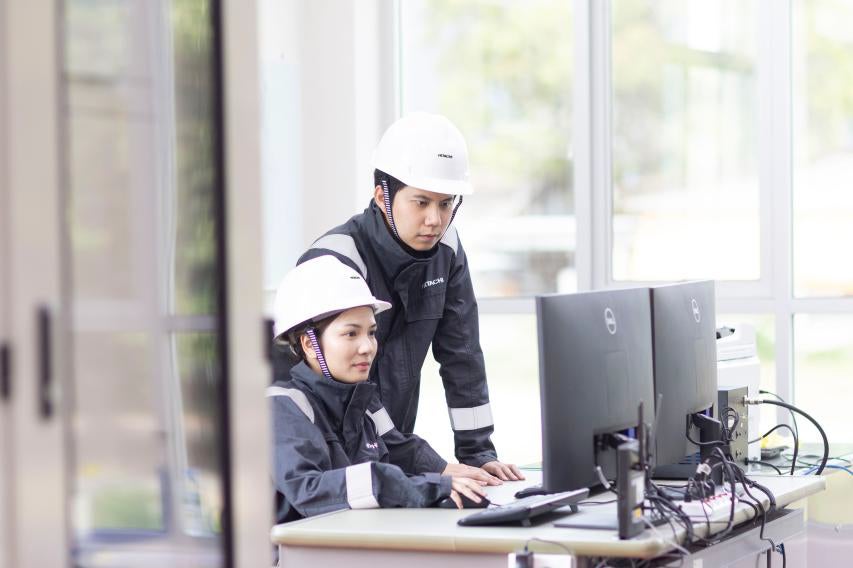
Hitachi Energy is expanding its partnership with Celonis, the process-intelligence leader, to scale AI use acr…
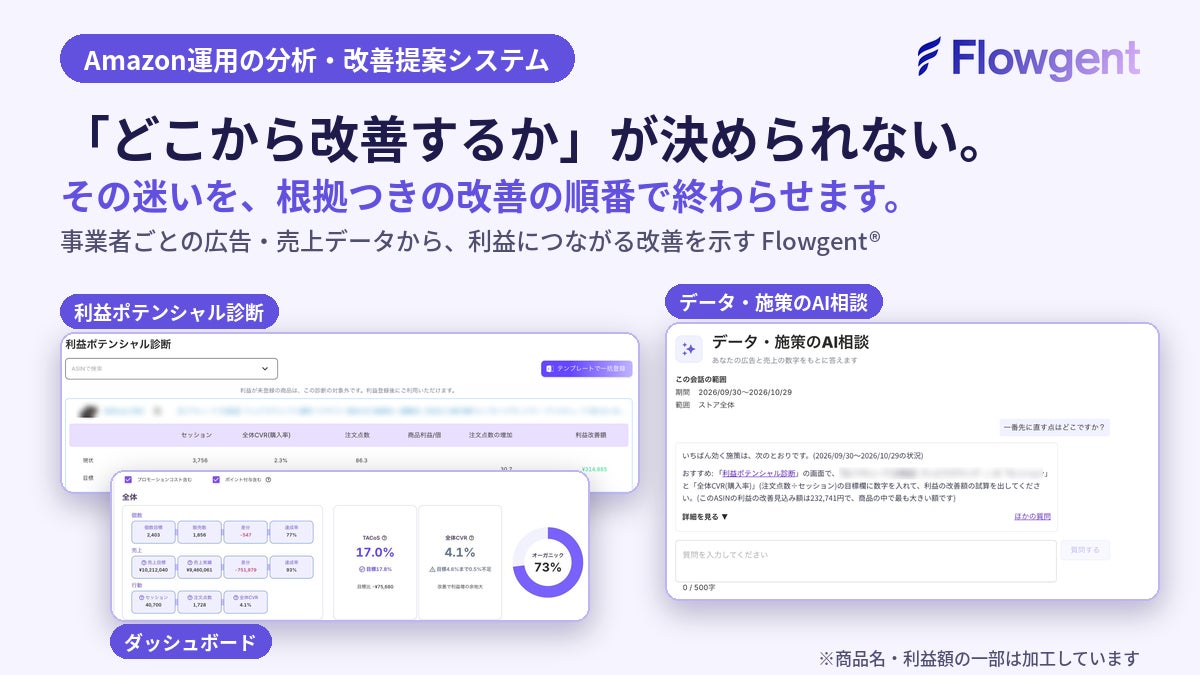
Spesia added an "AI consultation on data and measures" chat to Flowgent, its Amazon operations analysis system
For April–September 2026, Nomura Research Institute posted revenue of 4299億円, up 8% year on year, and operatin…

In Branding Works' October 2026 survey of ChatGPT and Gemini answers, 辻・本郷税理士法人 appeared in 50% of responses…

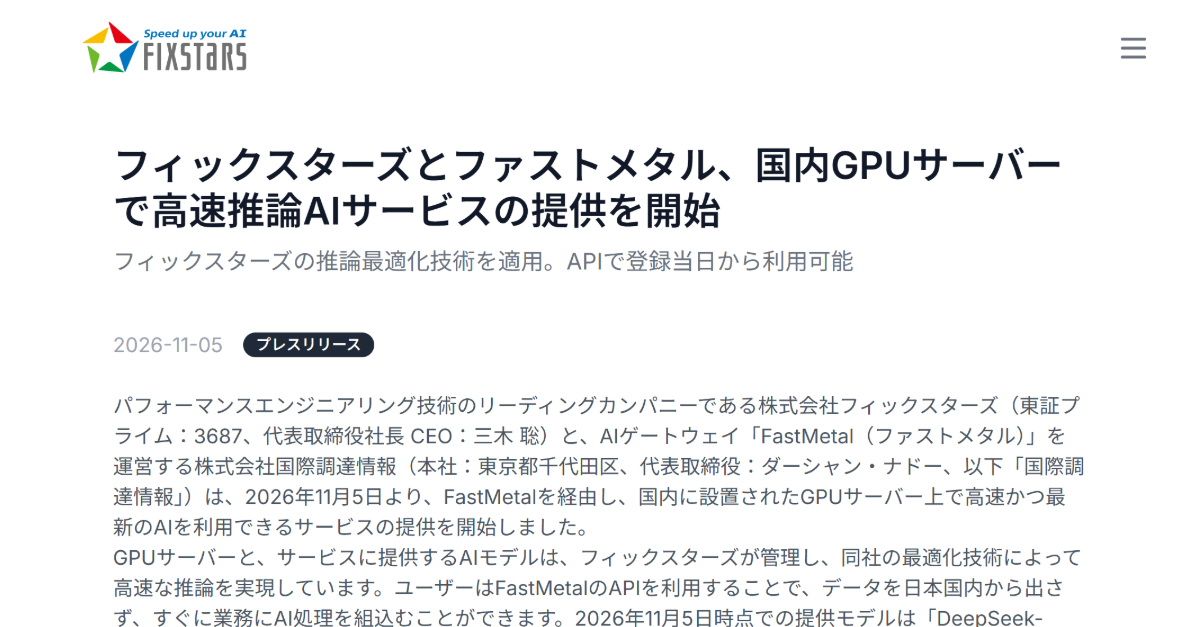
Fixstars said on Nov 5 it began offering open-weight models on GPU servers in Japan, working with Kokusai Chot…
At its Global Brand Launch on October 21, LUXEED introduced the LLounge MPV and Stormax SUV, both with AI smar…