What happened
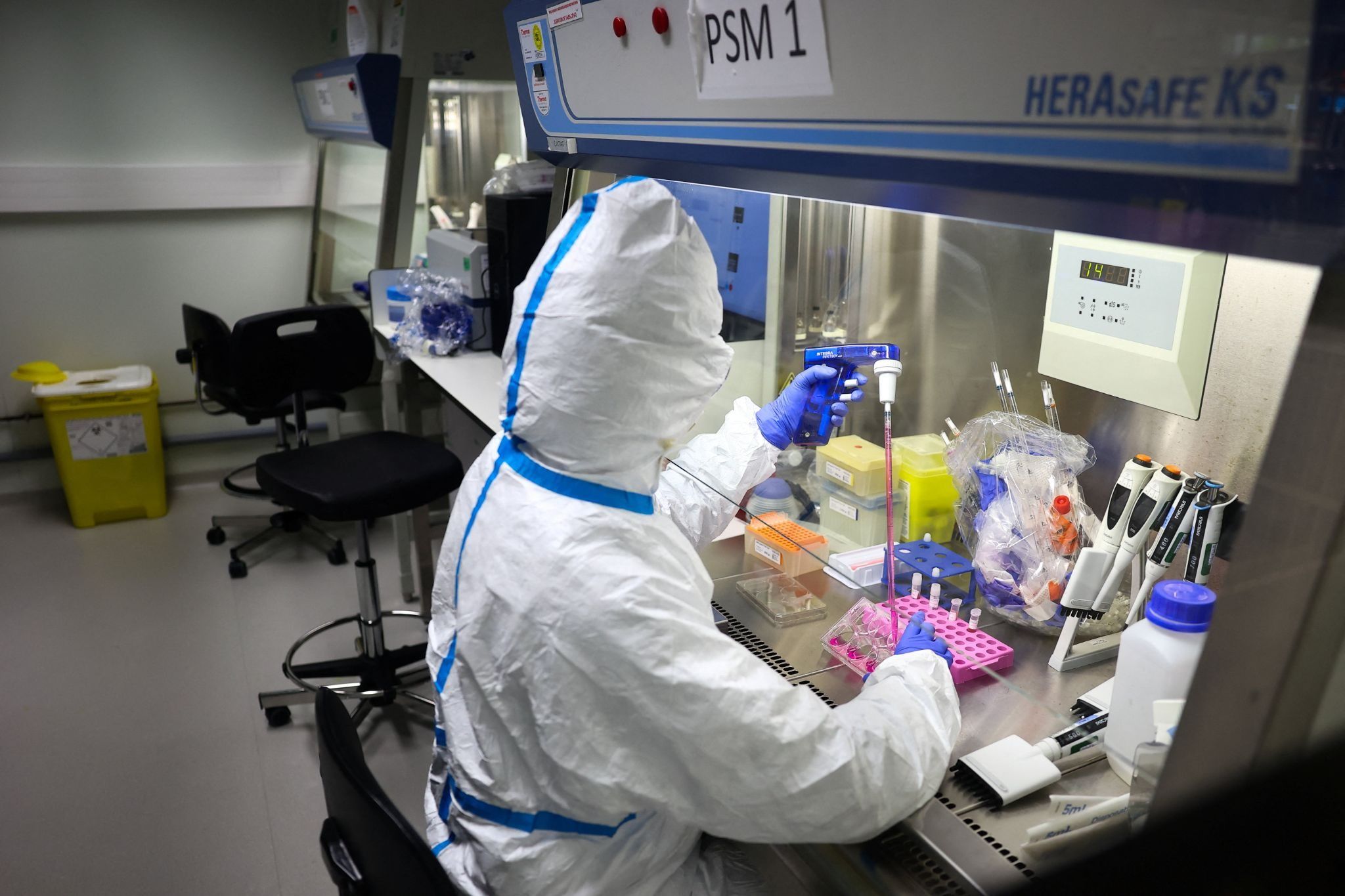
Researchers have unveiled the first viruses generated entirely by artificial intelligence, using a model trained on DNA sequences (similar to how ChatGPT learns from text) to design new genomes with minimal human oversight. The bacteriophages created are harmless to humans.
Why it matters
While engineered viruses have long been used safely in genetic therapies, AI generation lowers the technical barrier to creating them. The same capabilities that enable benign research could be repurposed to design dangerous pathogens, potentially within reach of people lacking deep biological expertise.
What to watch
The tension between AI's research benefits and dual-use risks. An AI safety campaigner has framed the problem as "Moore's law of mad science": every 18 months, the minimum skill required to cause biological harm decreases by one point — a warning that broader access to these tools may outpace safety guardrails.
Summaries like this, in your inbox every morning.
The creation of AI-generated viruses marks a milestone in computational biology, extending the pattern of AI systems trained on biological data (here, DNA sequences) to design novel organisms. The work builds on established knowledge—engineered viruses have been a staple of genetic medicine for years—but the automation and reduced human input represent a qualitative shift in accessibility.
The body itself identifies the core concern: dual-use risk. Biological tools, the article notes, are inherently "double-edged swords." A model that can generate harmless bacteriophages for research can, in principle, be adapted to design pathogens. The safety risk is not that the technology is new in concept (custom viruses are not), but that AI dramatically reduces the expertise and resources a person would need to deploy it. An AI safety campaigner quoted in the article frames this as "Moore's law of mad science"—the idea that every 18 months, the minimum IQ (or by extension, skill and resources) to cause biological destruction drops by one point. This suggests a race between capability expansion and safety norm-setting, with the former outpacing the latter.
For example, today's edition would include:
AI-summarized, only the topics you pick: one digest a day via Email, LINE, or Slack.
Free · 30 seconds with Google · unsubscribe anytimeWhat is AIToday? →
Ask AI anything about this article. The AI reads this article, earlier AIToday articles, and Wikipedia, and cites its sources. Q&As are published on this page for other readers too.
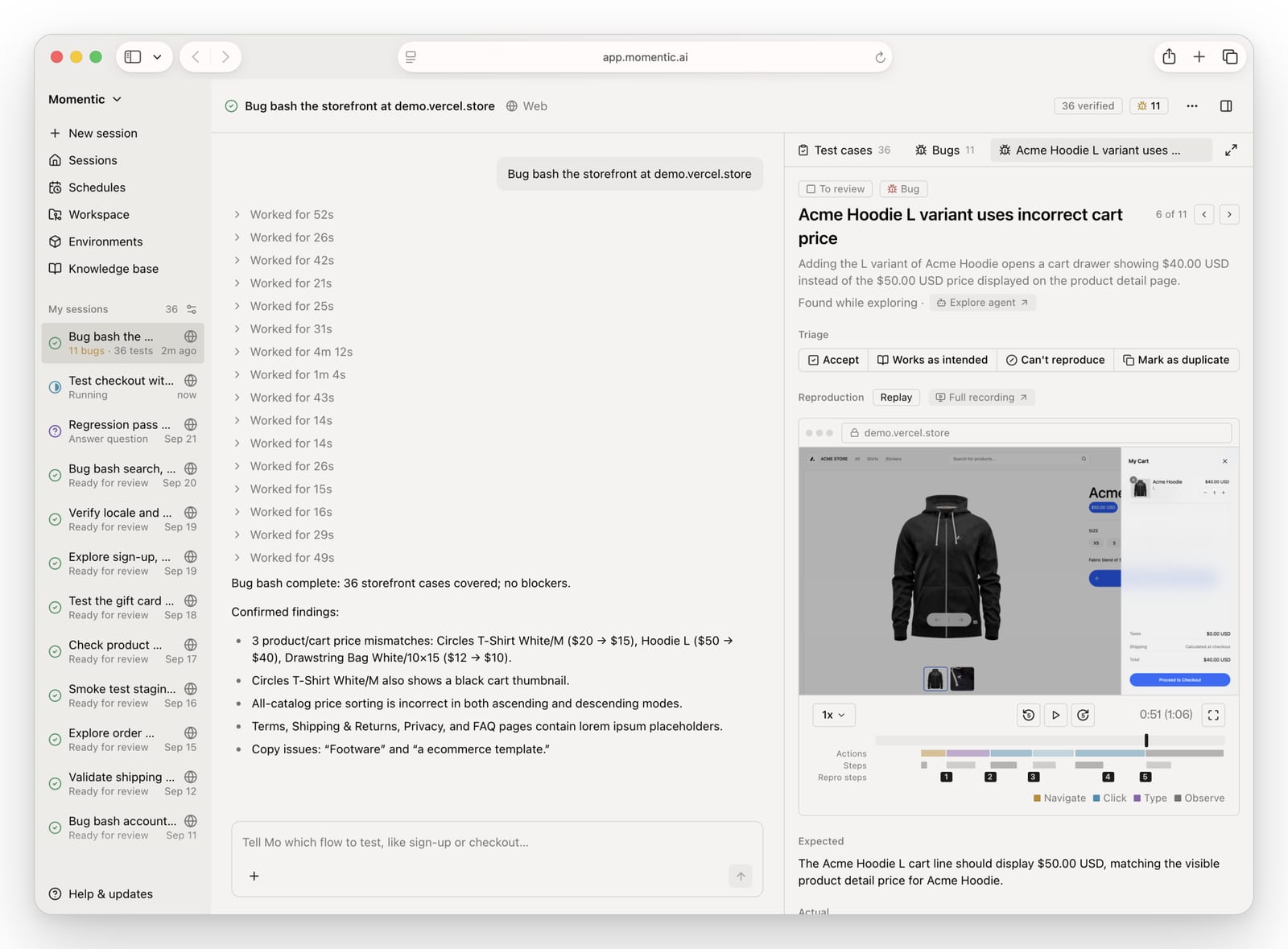
Momentic Inc. launched Mo, an AI agent that opens an app from a URL and prompt, spins up a swarm of agents to…
Anthropic launched Claude Sonnet 5.5, a mid-tier model for everyday tasks, priced at $2 per million input toke…

Oracle group VP Johnnie Konstantas told theCUBE that agentic AI lets agents and sub-agents act as a proxy for…
Qiagen has manually curated biomedical data for more than 25 years with over 150 MD- and PhD-level experts, Bh…
NEAR, the token of the NEAR Protocol, has more than doubled in value over the past two weeks, helped by surgin…

NVIDIA announced its Open Agent Safety Platform, made of the OpenShell open-source runtime and the Sentry refe…