
What happened
Realtime-Bench, built by researchers at the University of Texas at Austin, Ohio State, UIUC, NVIDIA, Northwestern and Steadyworks, tested models from OpenAI, Anthropic, Google, Deepseek, Moonshot AI and Jev on 50 interactive game and web tasks; GPT-6 Astra (high) led the wall-clock setting at a 36% pass rate.
Why it matters
The low scores show where AI agents cannot yet be trusted for tasks with real-time deadlines, such as buying tickets or bidding in online auctions, so businesses should not assume agents are ready for time-sensitive work.
Summaries like this, every morning.
Realtime-Bench arrives as businesses increasingly look to AI agents for tasks that involve deadlines and changing conditions. The benchmark's design separates three skills that real-time work demands: tracking changes in the world, adjusting how long a model deliberates, and timing actions correctly. The gap between wall-clock and paused-clock results suggests that current models can often solve these tasks when given unlimited time, but struggle when actions must be committed under real latency. That distinction matters for anyone planning to deploy agents in customer-facing or transactional settings, where a missed window can mean a failed purchase or a lost auction. The researchers frame the benchmark as a proxy for where agents will break, pointing to specific task types where caution is warranted.
Pick your industry and the AI tools you use, and get news related to your work every day.
Free · 30 seconds with Google · unsubscribe anytimeWhat is AIToday? →
Ask AI anything about this article. The AI reads this article, earlier AIToday articles, and Wikipedia, and cites its sources. Q&As are published on this page for other readers too.
Casap announced a $56 million Series B led by Base10 Partners, with Experian and Synchrony as strategic invest…

Kindai University will give 4,000 Paperpal licenses to full-time faculty and doctoral students at all campuses…

HIX AI's connector update on 11月4日 links Microsoft 365 (Outlook Mail, Outlook Calendar, OneDrive), Google Work…

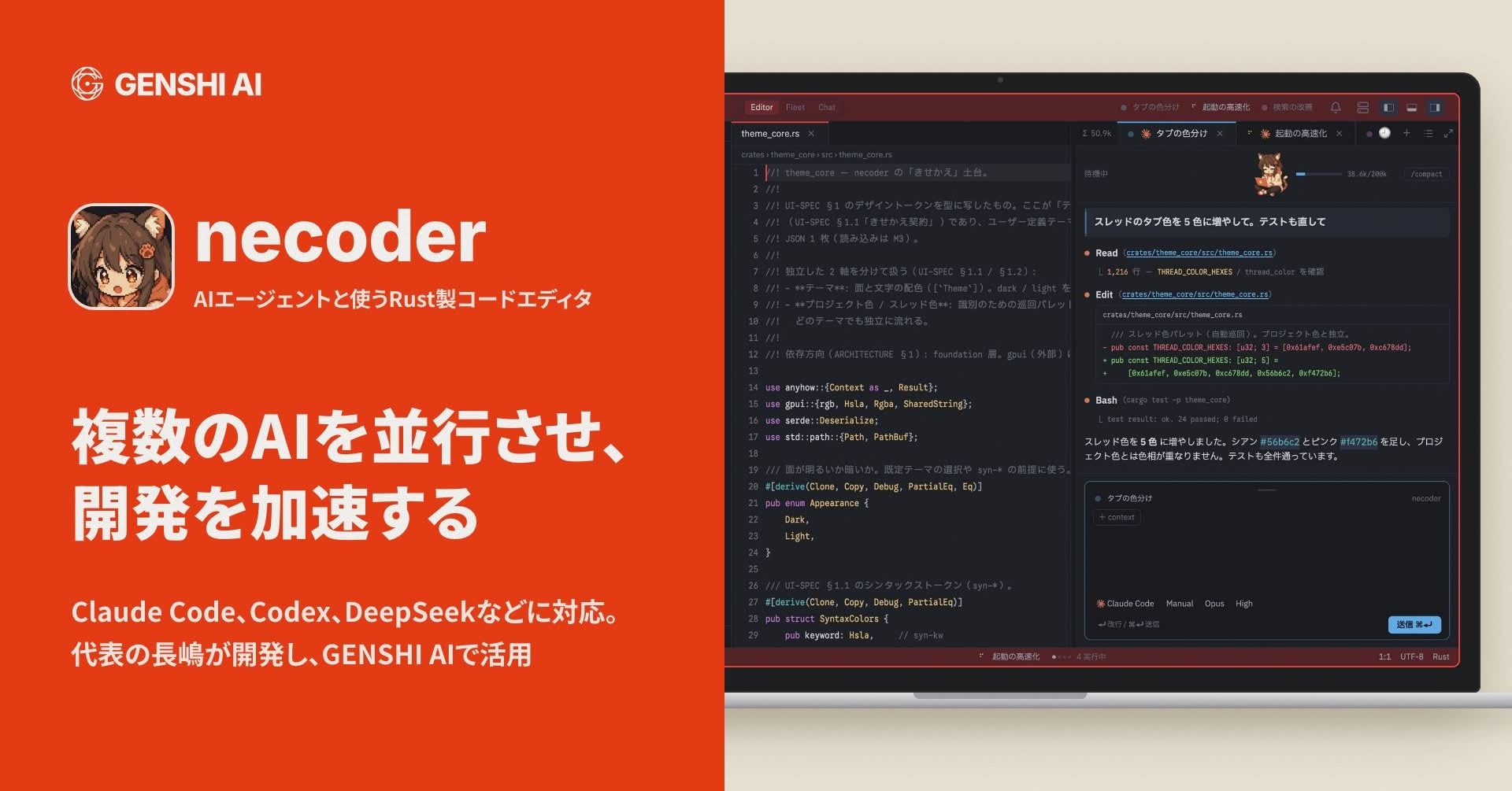
GENSHI AI said it adopted necoder in-house — a free, AGPL-3.0 Rust editor that Daichi Nagashima began building…
Nicholas Carlini matched Stockfish 17, ported to a 200MHz Pentium Pro, against 1996's Crafty 11.13 on a modern…

Xin Liu and co-authors surveyed 291 open-weight LLM repositories and found 20 of 38 untied gated and hybrid ch…


