What happened
The author recalls a first solo analysis project where accuracy fell to nearly half on real data, caused by preprocessing leakage and sloppy evaluation design, and selects four Japanese-edition books to close that gap.
Why it matters
The books are ordered as a learning sequence — data handling, classical machine learning, deep learning, then generative models — so readers can pick one matching their current bottleneck instead of buying all four.
Summaries like this, in your inbox every morning.
The starting point is a concrete failure: a first solo analysis project that scored well in cross-validation but dropped to roughly half its accuracy once real data replaced the test set. The author traces that to two causes — preprocessing leakage and a careless evaluation design — and draws a lesson about ordering rather than volume of knowledge: algorithm names without the fundamentals of raw-data handling and model validation do not help.
The four books are arranged to match that diagnosis. The first two build the foundation — NumPy and pandas internals, then feature engineering, evaluation and Pipeline practice — while the last two extend expressive range into deep learning and generative models. The author notes that the first book's machine learning section stays at the level of algorithm introductions, but that the earlier groundwork keeps reading speed up, and that the second book deliberately limits formulas in favor of decision-boundary diagrams and code.
The closing advice ties the list to specific symptoms rather than seniority: tangled data cleaning points to the handbook, validation-versus-production gaps to the scikit-learn book, unexamined deep learning use to the Keras volume, and curiosity about generative AI internals to the final title.
Pick your industry and the AI tools you use, and get news related to your work every day.
Free · 30 seconds with Google · unsubscribe anytimeWhat is AIToday? →
Ask AI anything about this article. The AI reads this article, earlier AIToday articles, and Wikipedia, and cites its sources. Q&As are published on this page for other readers too.
Schneider Electric, Nvidia and HPE formed a strategic collaboration to launch Industrial AI Agents at the Edge…
Anthropic released Claude Duet, built on Claude Opus 5.5

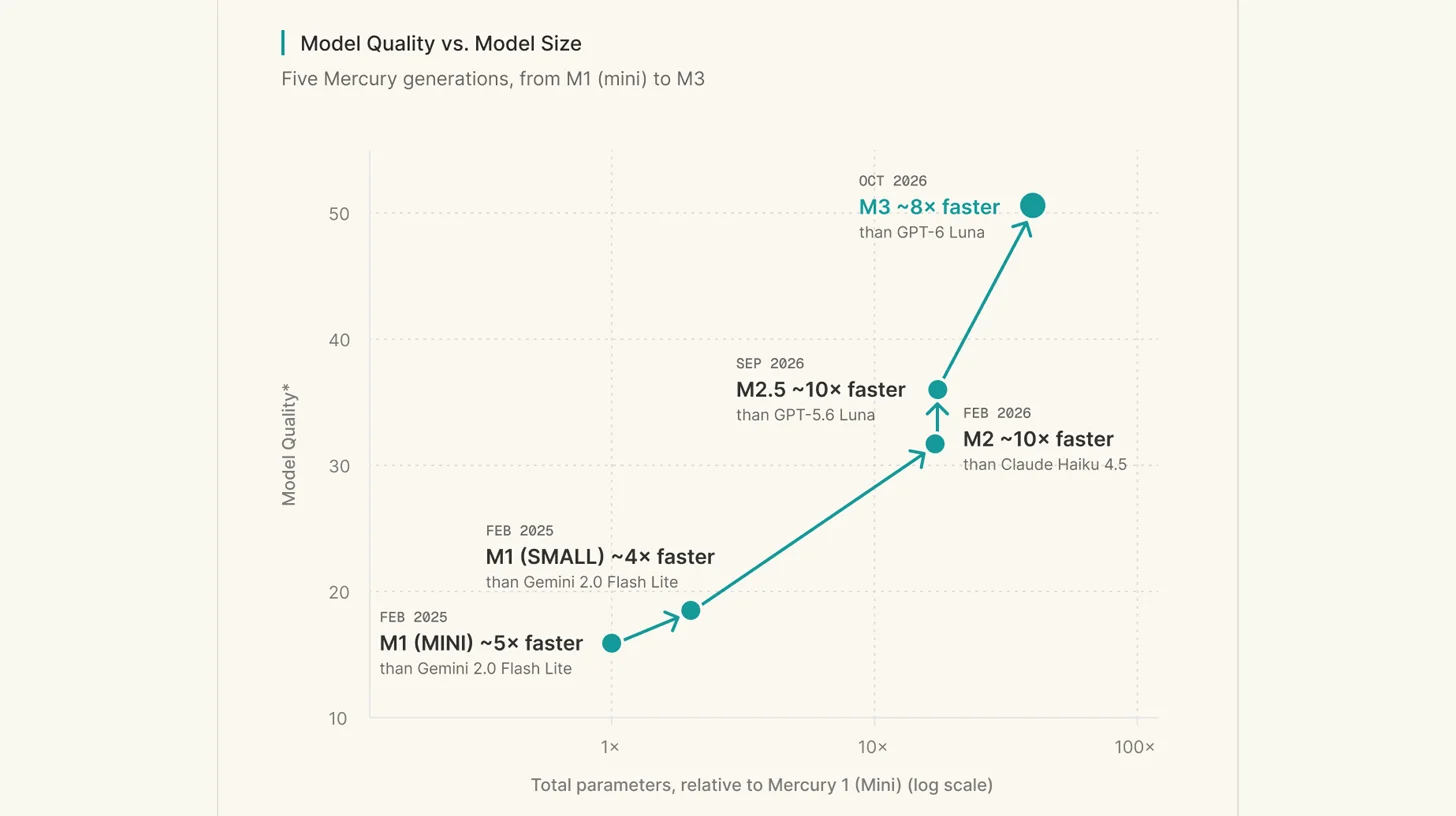
Inception launched Mercury 3 on October 19, a diffusion model it says generates 1,068 output tokens per second…
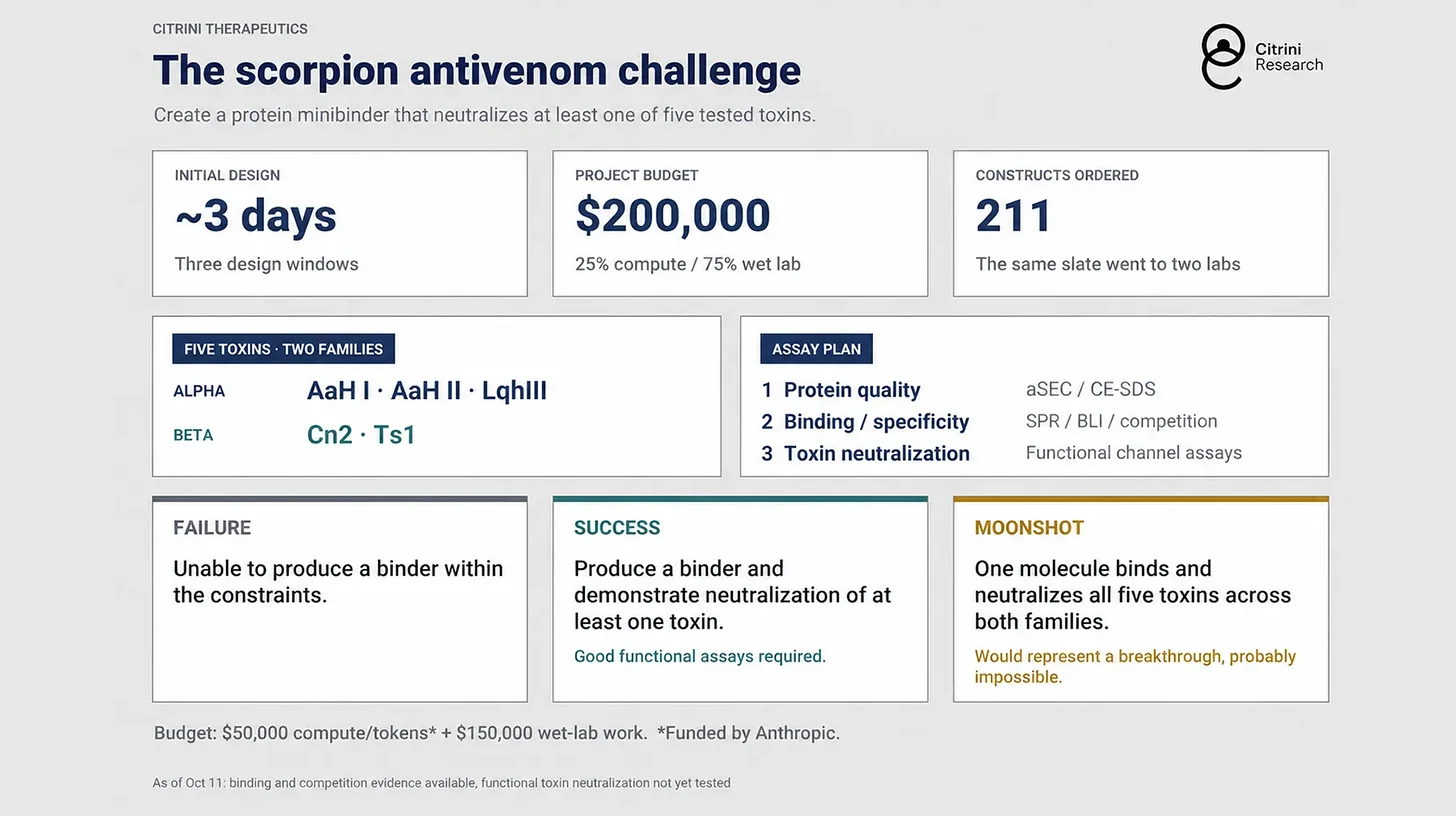
Anthropic reported that an internal version of Claude generated 318,484 candidates over a 64-hour run and sele…
NTT Data and NTT Data Tokai will start a joint proof-of-concept with Aichi Bank on October 26, testing a conve…
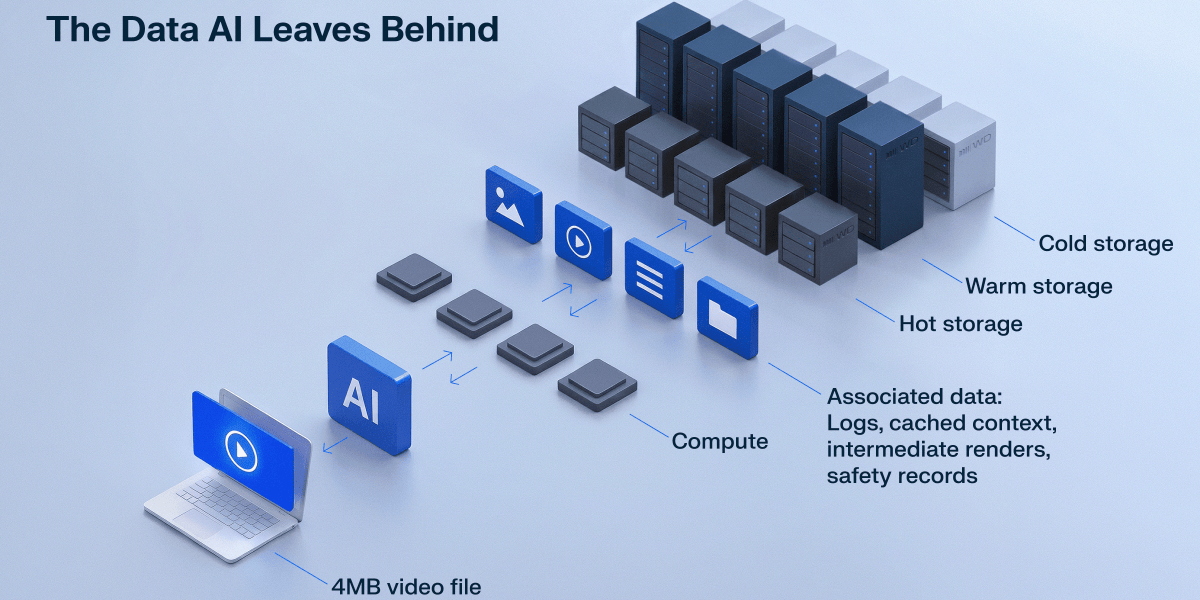
WD measured that an 8-second AI video (a 3.97MB 720p file for the user) generated more than 500MB of back-end…