What happened
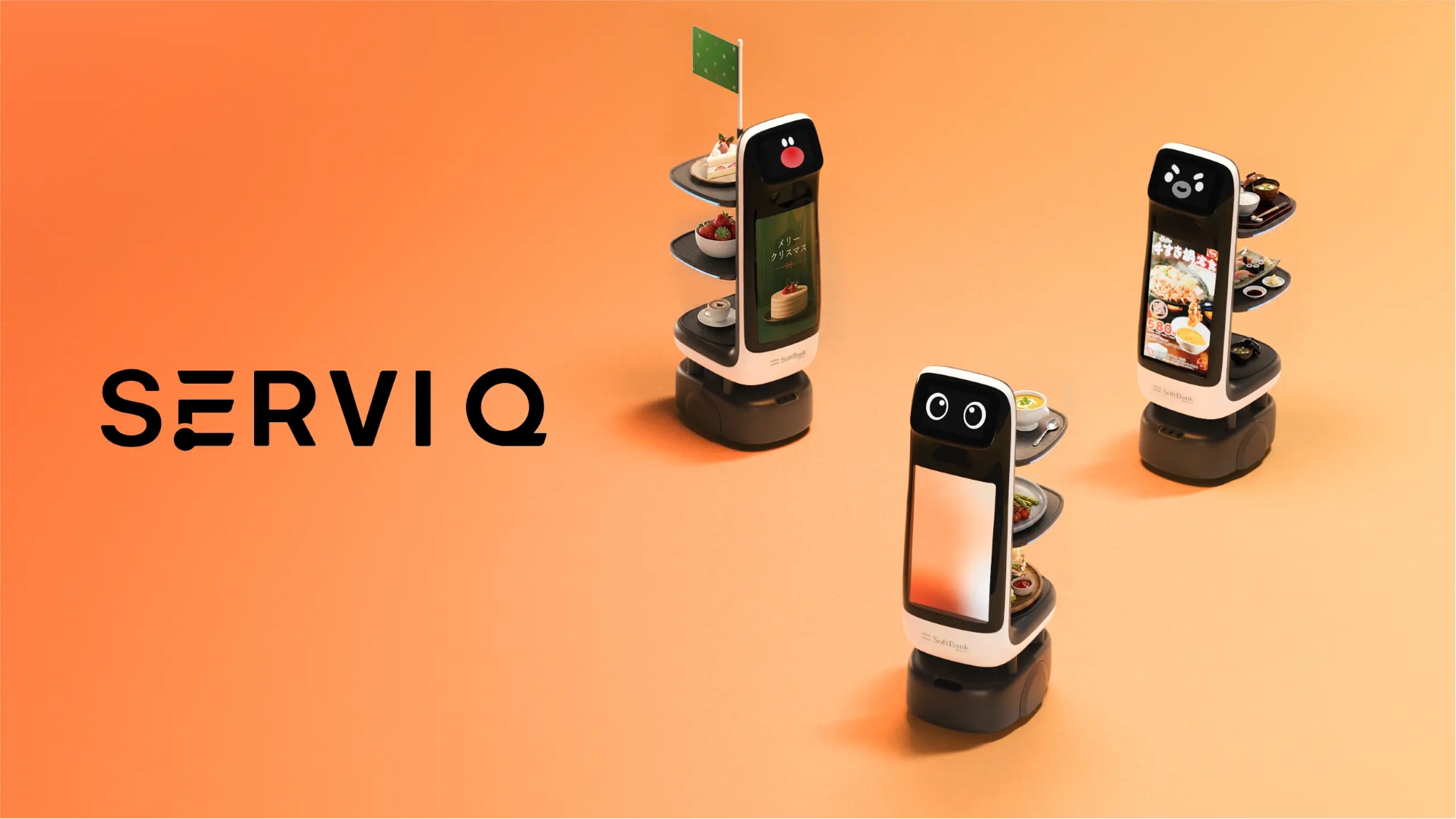
SoftBank Robotics released the Servi Q serving robot in Japan, co-developed with Bear Robotics, with a 35cm-wide body that can run down a 45cm aisle it calls the industry's narrowest, and adds what it calls an industry-first reverse driving.
Why it matters
The 45cm claim and reverse driving mean the unit is pitched at venues with narrow aisles and tight turnaround space, where earlier serving robots were harder to deploy — though the claim is SoftBank Robotics' own.
What to watch
Fleet use hinges on coordination, since robots facing each other make one back up to yield, and passing each other requires aisles of 100cm or more.
WHO IT HITSRestaurant and food-service operators with narrow aisles or limited turning space are the clearest fit, and SoftBank Robotics is marketing the unit on exactly those layouts.
Summaries like this, in your inbox every morning.
SoftBank Robotics says it built the Servi Q around the practical complaints that come with putting serving robots to work: narrow aisles, tight turning space, stable carrying of food and drinks, and debris getting caught in the wheels. The body's answer to the first two is a slim 35cm-wide unit that can drive down a 45cm aisle and, in a feature the company calls an industry first, reverse out of tight spots instead of needing room to turn around.
For stability, the design pairs a suspension mechanism with trays that hold up to 10kg per level and 30kg in total, which the company says keeps drinks from spilling even when a tray carries six beer mugs through an emergency stop or over a step like a cable. The wheels and casters are built so food scraps, paper bits, and hair are less likely to cling or get wound in, and a cleaning mode rubs debris off onto a mat. The robot also carries a display for facial expressions and an 18.5-inch screen for menus or ads, with custom faces available to match a store or brand.
Whether the 45cm and reverse-driving claims translate into real deployments is likely to depend on how well the coordination features hold up — robots facing each other must have one back up to yield, and two units can only pass each other in aisles of 100cm or more, so mixed traffic in particular is where the experience will be tested.
For example, today's edition would include:
AI-summarized, only the topics you pick: one digest a day via Email, LINE, or Slack.
Free · 30 seconds with Google · unsubscribe anytimeWhat is AIToday? →
Ask AI anything about this article. The AI reads this article, earlier AIToday articles, and Wikipedia, and cites its sources. Q&As are published on this page for other readers too.
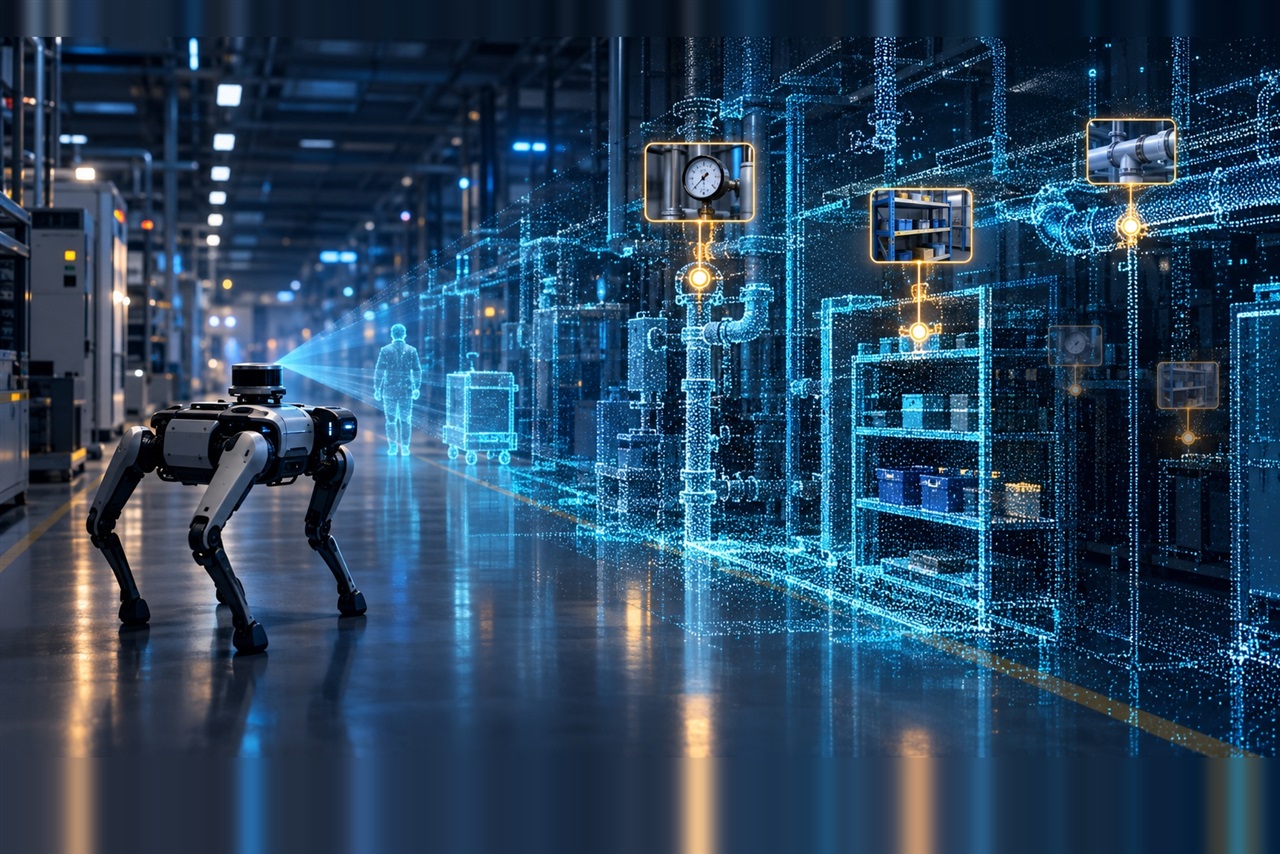
For autonomous robots, building the map is increasingly just the beginning
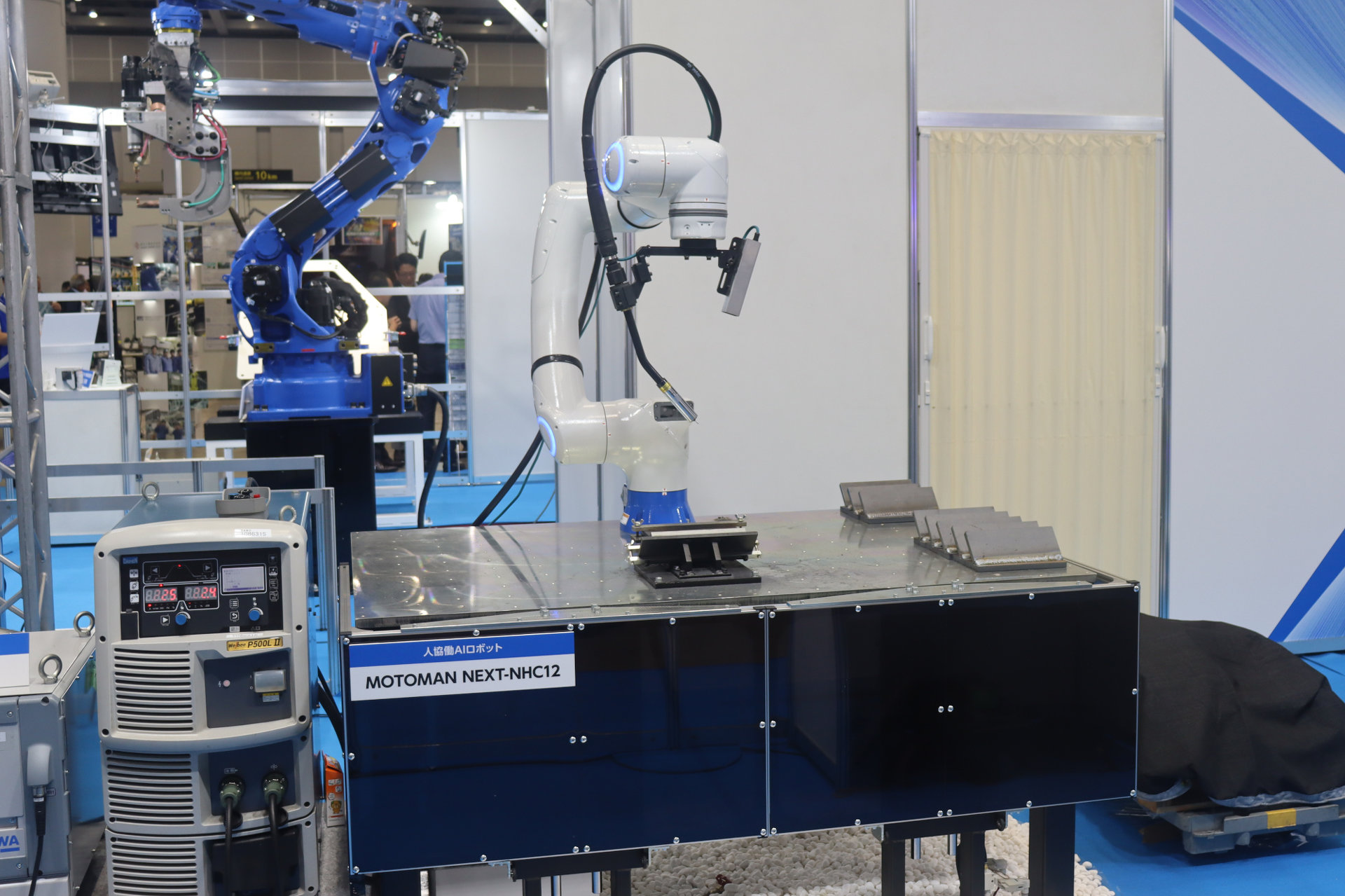
At the 2026 International Welding Show (Sept 16–19, Beijing), Yaskawa demonstrated its MOTOMAN NEXT-NHC12 robo…
NVIDIA announced in July 2026 that FANUC, Fujitsu, Hitachi, Kawasaki Heavy Industries, Kubota, NEC, SoftBank…
ZEALS, a Japan-based company, is pursuing a mass-production strategy for humanoid robots priced at 500万円, whic…
Dream Machines fine-tuned Physical Intelligence's open-source π0.5 model on an industrial assembly task; 240 h…
Researchers from Stanford and Caltech built HomeBody, letting a Unitree G1 robot autonomously navigate an unfa…