What happened
AWS published a walkthrough to deploy a customer-operated LiteLLM gateway on Amazon ECS and connect OpenAI Codex to Amazon Bedrock, with full code in the guidance-codex repository.
Why it matters
The gateway centralizes model authentication, routing, budgets, rate limits, and telemetry, addressing a need for consistent controls as organizations move from experimentation to managed adoption of AI coding agents.
What to watch
Because this is a self-operated gateway, the test is whether your team can manage version upgrades, database lifecycle, and incident response without vendor support. The guidance-codex repository is the sole source for implementation details.
Summaries like this, in your inbox every morning.
As AI coding agents move from individual experimentation to managed adoption, enterprises face the challenge of controlling access and tracking usage across teams. AWS's solution places LiteLLM, an open-source AI gateway, between the developer's local Codex environment and Amazon Bedrock, creating a central point for policy enforcement. This architecture allows IT teams to issue scoped keys, set budgets, and monitor consumption while developers keep their local workflow.
The trade-off is operational responsibility. Unlike a fully managed option, customers must operate the gateway, database, networking, logs, and upgrades themselves. AWS notes that direct access to Bedrock remains the simplest choice when native IAM and CloudTrail meet requirements, and that managed gateways like Portkey may be a better fit in some cases. This suggests the registry approach is for organizations needing granular control without relying on external providers.
The walkthrough was validated in us-east-1 with the gateway alias openai.gpt-5.5, which maps to bedrock_mantle/openai.gpt-5.5. Model availability varies by account and Region, and the solution creates billable resources, so users should review current pricing and plan for cleanup.
Pick your industry and the AI tools you use, and get news related to your work every day.
Free · 30 seconds with Google · unsubscribe anytimeWhat is AIToday? →
Ask AI anything about this article. The AI reads this article, earlier AIToday articles, and Wikipedia, and cites its sources. Q&As are published on this page for other readers too.
Schneider Electric, Nvidia and HPE formed a strategic collaboration to launch Industrial AI Agents at the Edge…

Anthropic released Claude Duet, built on Claude Opus 5.5

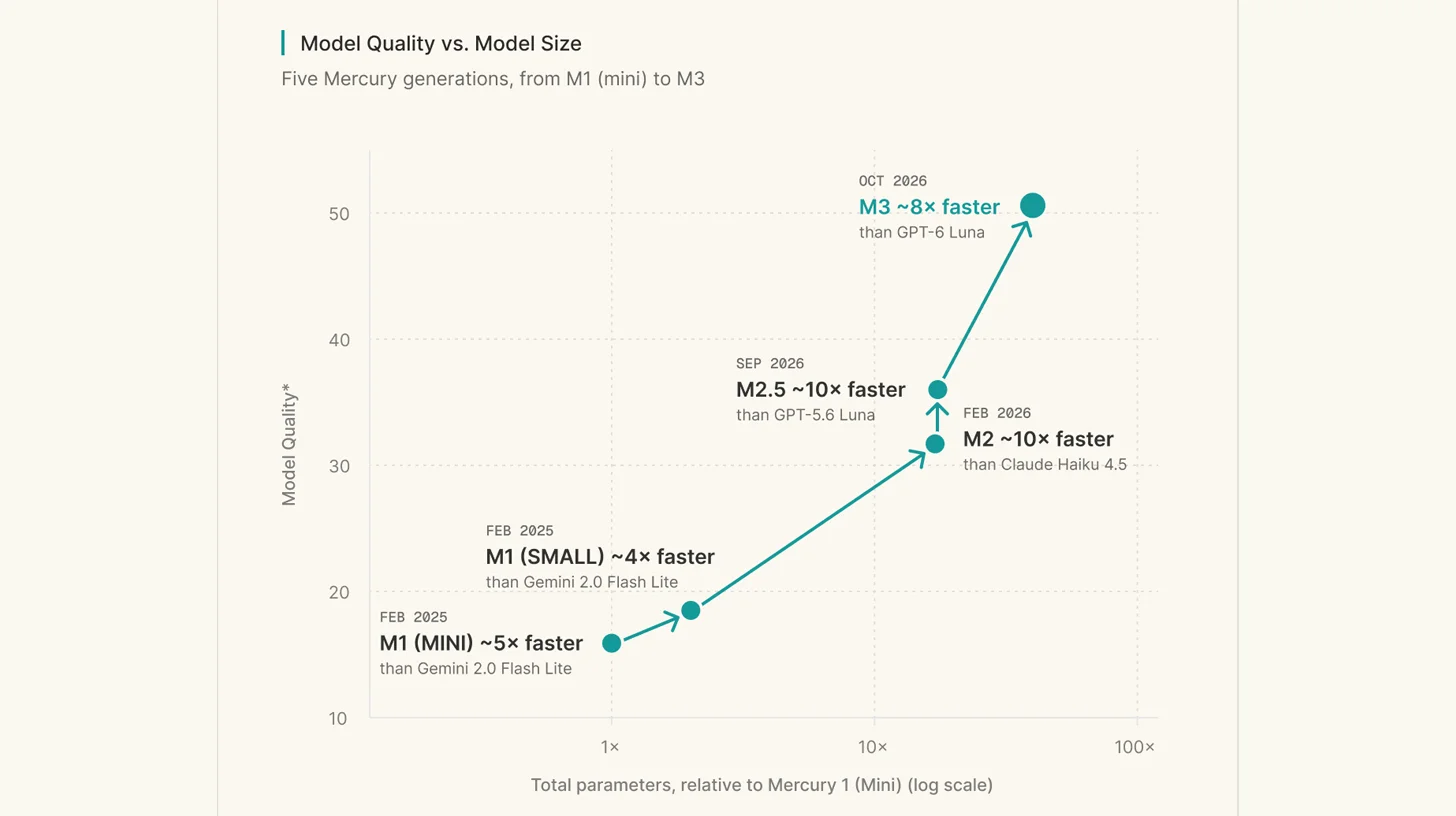
Inception launched Mercury 3 on October 19, a diffusion model it says generates 1,068 output tokens per second…
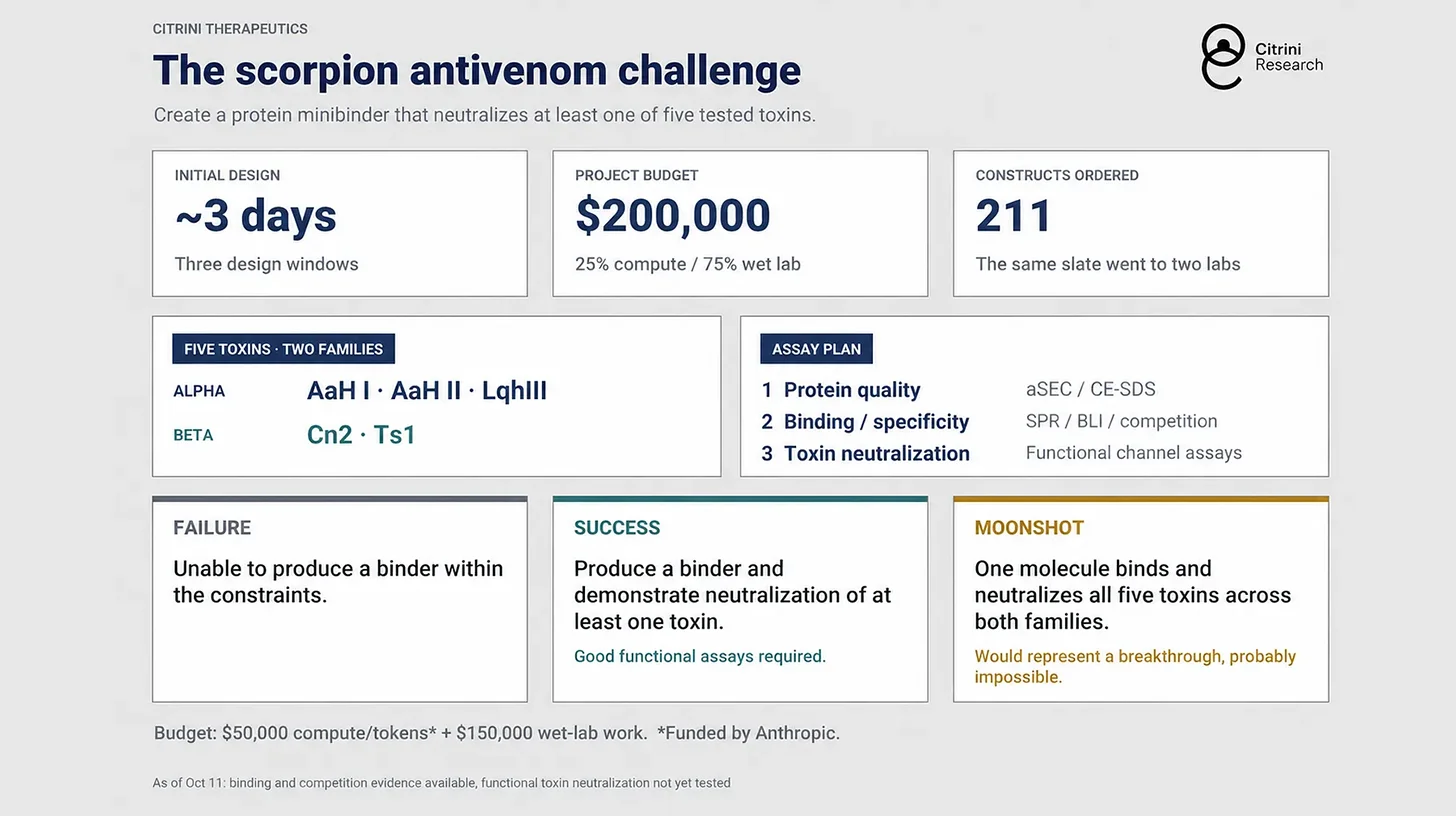
Anthropic reported that an internal version of Claude generated 318,484 candidates over a 64-hour run and sele…
NTT Data and NTT Data Tokai will start a joint proof-of-concept with Aichi Bank on October 26, testing a conve…
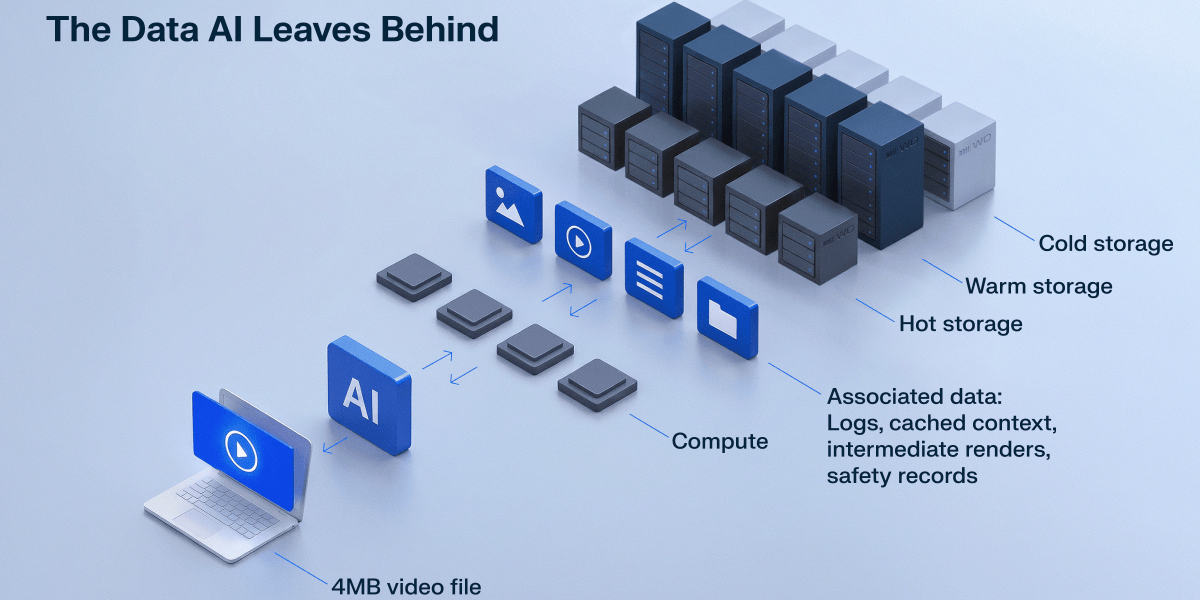
WD measured that an 8-second AI video (a 3.97MB 720p file for the user) generated more than 500MB of back-end…