What happened
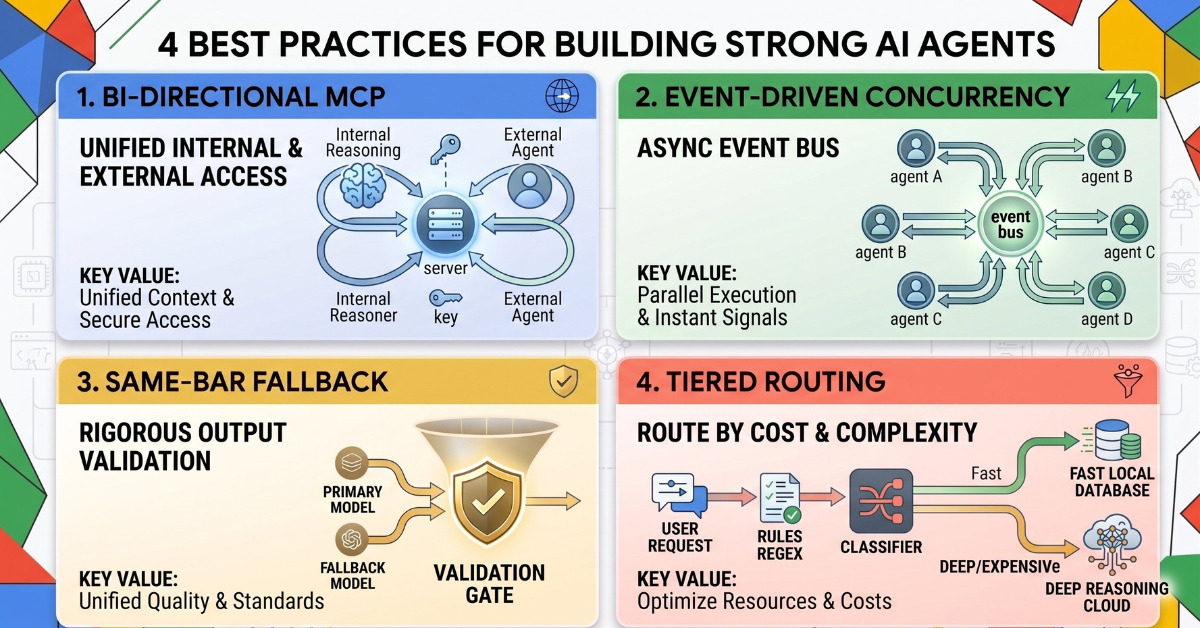
GitHub, Google and Siemens published 15 design patterns plus six reliability principles for multi-agent systems. GitHub's advice came on Feb 24, 2026, and its core message is to treat agents like distributed systems, not chat.
Why it matters
The pitfalls GitHub names — inconsistent shared state, errors from guessing execution order, vague handoffs — are failures of design, and the guidance suggests typed schemas and restricted actions can contain them before they spread.
Summaries like this, every morning.
The guidance arrives as development teams move past handing single coding tasks to a generative AI model and toward spreading each stage of the development lifecycle across several agents running in parallel. That shift is what makes design the hard part: GitHub's write-up, dated Feb 24, 2026, notes that introducing multiple agents creates new failure risks, such as inconsistent shared state and ambiguous handoffs, because the system behaves like a distributed system.
Google's contributions, published Dec 16, 2025, follow the same logic. Google argues that a single agent carrying too many roles can underperform, much as a monolithic application fails to scale, and that assigning specific roles — parser, critic, dispatcher — yields a modular system. The eight patterns it describes are joined by four more drawn from the Google for Startups AI Agents Challenge, dated Sep 2, 2026, where one team's three-tier classifier handled over 40% of incoming messages before any model call.
The Siemens case, presented by Google Cloud on Jun 17, 2026, shows the patterns at industrial scale. Siemens held hundreds of millions of lines of legacy code whose knowledge was scattered across Jira tickets, Confluence pages and PDF manuals. Knowledge Fabric organizes those relationships in a knowledge graph, and its "slicing the elephant" pattern splits broad requests into five specialist agents, with human judgment inserted at each step to keep the system production-grade.
Pick your industry and the AI tools you use, and get news related to your work every day.
Free · 30 seconds with Google · unsubscribe anytimeWhat is AIToday? →
Ask AI anything about this article. The AI reads this article, earlier AIToday articles, and Wikipedia, and cites its sources. Q&As are published on this page for other readers too.
In Branding Works' October 2026 survey of ChatGPT and Gemini (143 valid responses), リクルートエージェント appeared in 99…

Russell Impagliazzo, who co-proposed the Exponential Time Hypothesis in 1998, called an AI-generated disproof…

Meta rolled out specialized versions of its existing models, trained using Muse Wonder, to Muse and Meta AI us…
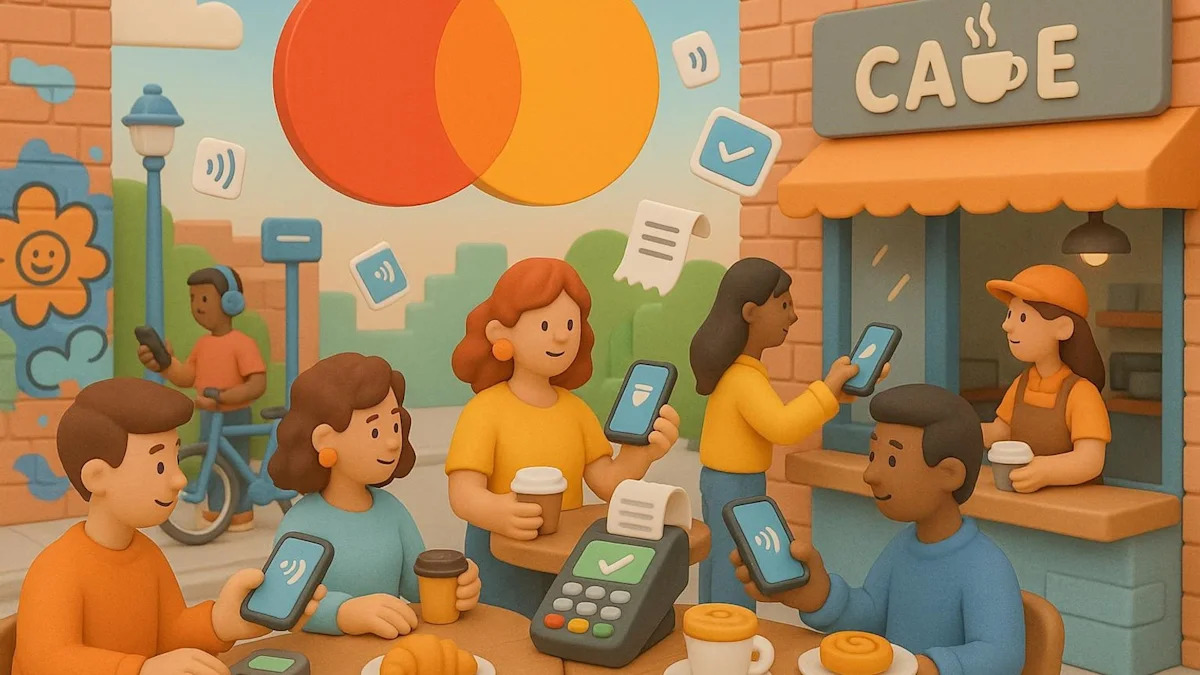
Mastercard joined a $15m Series A round for firmly, an AI shopping agent firm, becoming a payments partner as…
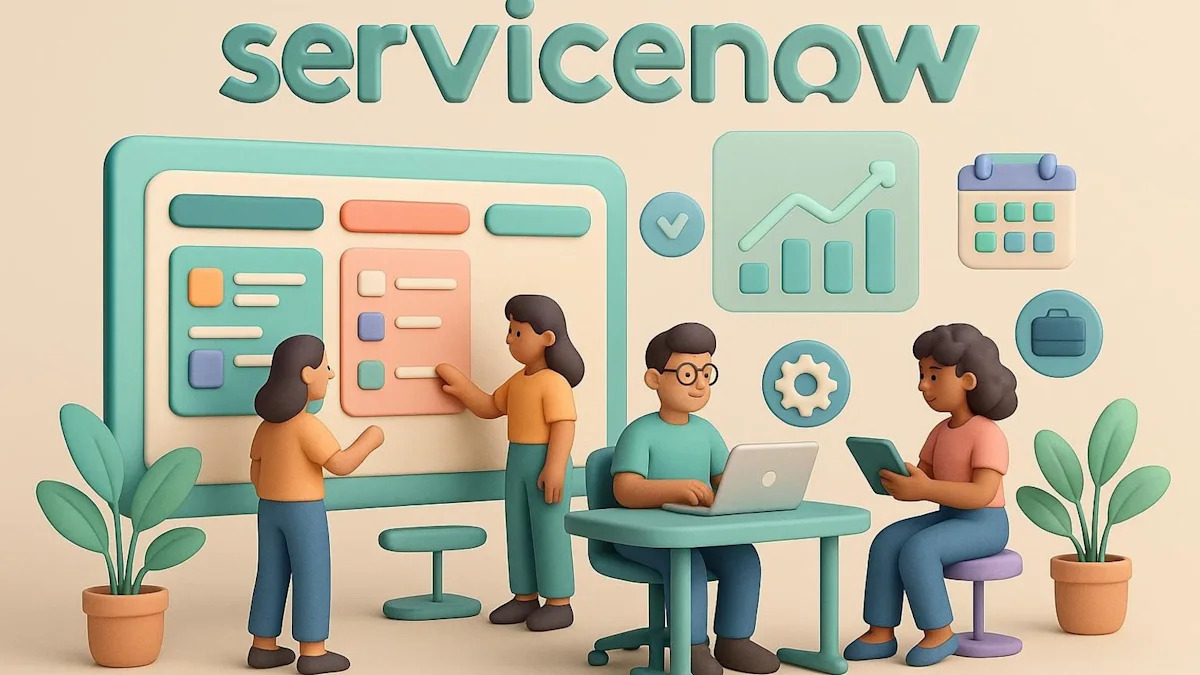
ServiceNow is expanding partnerships to roll out agentic AI and large-scale AI workflows across enterprise cus…
Salesforce says its three-person Rapid Innovation Squads delivered a Sales Signals Slack app in days that has…